

KEY POINTS
- Norway head coach Ståle Solbakken confirmed that a sickness bug and mental exhaustion are spreading through the camp following a month of intense travel and high-stakes matches.
- Forward Jørgen Strand Larsen has been sidelined with a fever, while several other members of the 50-person traveling delegation are battling respiratory issues.
- Young defender Marcus Holmgren Pedersen missed the historic Round of 16 victory over Brazil due to physical illness brought on by the immense psychological pressure of the tournament.
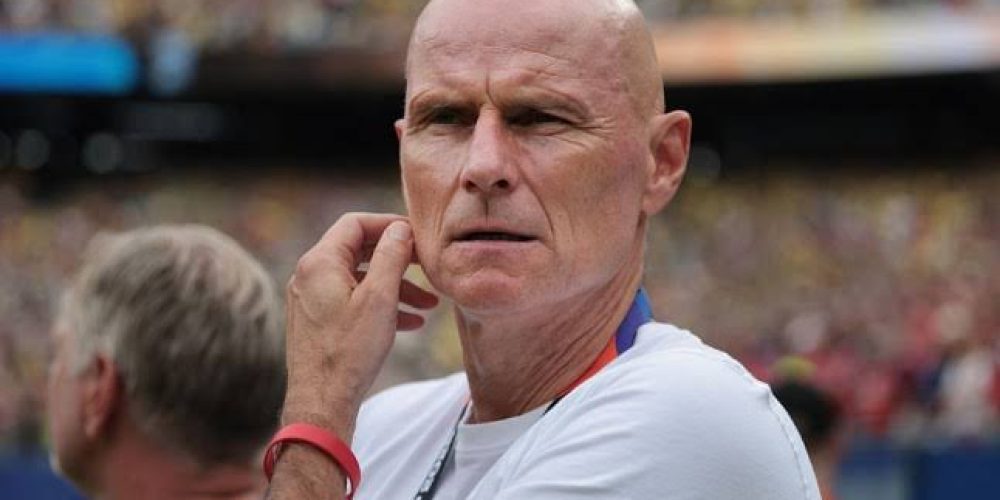
The punishing schedule of the expanded tournament has begun to extract a heavy physical and mental price from one of the competition’s biggest surprise packages. Norway manager Ståle Solbakken revealed on Wednesday morning that several key players are currently feeling under the weather as they prepare for their monumental quarter-final showdown against England this weekend. A combination of constant cross-continental flights, fluctuating locker room conditions, and the intense emotional burden of international football has triggered a minor health crisis within the Scandinavian camp.
What You Need to Know
Norway arrived at the tournament operating under an immense wave of national expectation, marking their first appearance at the global finals since France 1998. Boasting a golden generation of world-class talent, the team navigated a demanding group stage campaign that featured grueling matches against France, Senegal, and Iraq. The team’s historic run reached a fever pitch last Sunday when they stunned five-time world champions Brazil with a dramatic 2-1 victory in East Rutherford, punching their ticket to the quarter-finals for the first time in history.
However, the logistical blueprint of this expanded 48-team North American cycle has placed unprecedented physical demands on mid-tier nations with less roster depth. Teams are forced to rapidly transition between distinct climate zones and high-altitude host stadiums across Canada, Mexico, and the United States, leaving minimal windows for comprehensive physiological recovery. In a traveling party consisting of 50 individuals, maintaining a completely sterile environment has proven nearly impossible as squads rely heavily on commercialized infrastructure and repetitive air travel throughout the summer.
Squirming Illness Bug Disrupts Quarter-Final Preparations
The technical staff detailed the specific medical issues currently sweeping through the squad during a media briefing outside their training base. Crystal Palace forward Jørgen Strand Larsen has been the hardest hit by the illness, with medical personnel closely monitoring the striker after he developed a sudden high fever. Beyond the isolated fever case, the manager noted that a persistent cough and respiratory discomfort have spread among several other players, threatening to disrupt their tactical drills ahead of the Saturday fixture in Florida.
The physical breakdown has not been limited to standard seasonal bugs, as the psychological weight of the knockout stage has also manifested in somatic illness. Defender Marcus Holmgren Pedersen was a notable omission from the starting lineup against Brazil, a late scratch that was initially attributed to a standard viral infection. The coaching staff shed light on the 25-year-old’s condition, explaining that the sheer volume of new impressions, rapid stimulation, and the sudden realization of playing a pivotal role on the world stage essentially caused his physical system to collapse under stress.
Despite the mounting health concerns, the squad has attempted to maintain their high spirits, which have been symbolized by their viral rowing celebrations after victories. The technical staff faces a race against time to nurse their fatigued roster back to full health before facing a deep, highly physical English squad that thrives on high-intensity pressing. The upcoming training sessions will be heavily modified to prioritize active rest and hydration, ensuring the active roster is not completely depleted before kickoff.
Why This Matters
For soccer fans and tournament coordinators across North America, the emergence of widespread squad fatigue highlights a glaring structural vulnerability in the current multi-host format. When elite international athletes are subjected to continuous long-haul travel across multiple time zones within a three-week window, the quality of the sporting product inevitably suffers. If the remaining knockout matches are dictated by which team survives a locker room sickness bug rather than tactical superiority, consumer enthusiasm for future expanded tournaments could diminish.
Furthermore, the situation serves as a stark warning to domestic sports organizations regarding the critical importance of mental health infrastructure in elite sports. The physical collapse of young prospects under the weight of global media scrutiny emphasizes that athletic preparation must extend beyond tactical drills and physical conditioning. As the commercial stakes of international soccer continue to escalate, organizations must invest heavily in sports psychologists to help young athletes manage the suffocating anxiety of performing on television before millions of viewers.
NCN Analysis
The Scandinavian side enters the quarter-finals as clear underdogs, and this sudden accumulation of physical ailments places an even greater burden on their superstar core. Captain Martin Ødegaard and star striker Erling Haaland, who has already netted seven goals in the tournament, will need to carry an immense tactical workload if their supporting cast is diminished. The technical staff will likely be forced to adopt a highly conservative defensive block against England, conserving their limited energy reserves for quick counter-attacks rather than attempting to match their opponents in a high-tempo transition game.
Supporters should watch the injury report closely over the next 48 hours to see if Strand Larsen can successfully break his fever and return to the bench. If additional defensive cover is lost to this respiratory bug, the tactical plan could fall apart entirely against an English attack that excels at exploiting fatigued backlines in the second half. While their historic journey has already captivated the public back home in Oslo, surviving this physical hurdle will require a level of resilience that goes far beyond anything they have faced so far this summer.
The high-flying Scandinavians are rapidly discovering that surviving the brutal physical grind of the knockout rounds is just as challenging as defeating traditional football powerhouses on the pitch.
Reported by the NCN Editorial Team









