

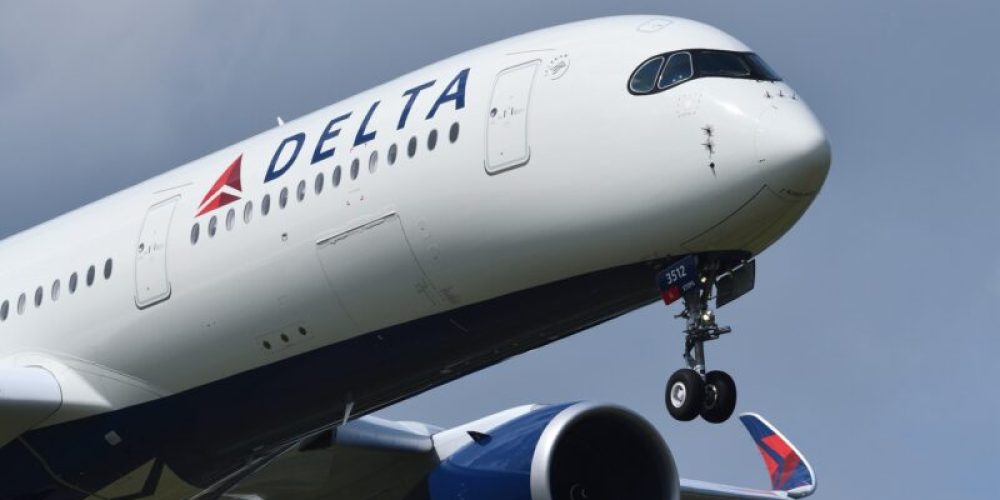
Delta Air Lines President Glen Hauenstein has outlined a cautious but confident outlook for the airline as it prepares for shifting travel demand, higher costs, and changing passenger behavior heading into 2026. Speaking about Delta’s strategy, Hauenstein emphasized discipline, premium focus, and operational reliability as key pillars guiding the carrier through an uncertain aviation landscape.
Hauenstein acknowledged that travel demand remains strong overall, especially in premium cabins and international routes. Business travel has not fully returned to pre-pandemic levels, but Delta sees steady improvement, particularly among large corporate clients. Leisure travel continues to drive volume, though travelers are becoming more price-sensitive as inflation pressures household budgets.
Rather than chasing growth at any cost, Delta is prioritizing profitability and consistency. Hauenstein said the airline is carefully managing capacity, adding seats only where demand justifies it. This approach aims to protect margins and avoid the boom-and-bust cycles that have historically plagued the airline industry.
A major focus remains Delta’s premium strategy. Products such as Delta One, Comfort Plus, and expanded airport lounges are central to attracting higher-spending customers. Hauenstein noted that travelers are increasingly willing to pay more for comfort, reliability, and better service, even as they cut back in other areas.
However, the airline faces ongoing challenges. Rising labor costs, aircraft delivery delays, and maintenance issues continue to pressure operations. Delta has invested heavily in staffing and training to maintain reliability, a move Hauenstein described as essential for protecting the brand and customer loyalty.
Supply chain disruptions remain another concern. Delays from aircraft manufacturers have forced Delta to keep older planes in service longer than planned. While this raises maintenance costs, Hauenstein said the airline is managing the situation carefully and remains confident in its long-term fleet renewal plans.
Fuel prices and geopolitical uncertainty also factor into Delta’s cautious stance. Hauenstein said the airline is prepared for volatility and has built flexibility into its planning. International routes, particularly across the Atlantic, remain strong, while demand to Asia continues to recover more slowly.
Technology and data play an increasing role in Delta’s decision-making. Hauenstein highlighted the airline’s use of analytics to better predict demand, optimize pricing, and personalize offers for customers. These tools help Delta respond faster to market changes while improving the passenger experience.
Despite the challenges, Hauenstein expressed optimism about Delta’s position relative to competitors. He said the airline’s balance sheet, network strength, and premium offerings give it an advantage as the industry matures beyond the post-pandemic rebound phase.
Looking ahead, Delta does not expect dramatic expansion. Instead, the airline plans to refine what it already does well. That includes improving on-time performance, enhancing onboard products, and maintaining strong relationships with both leisure and business travelers.
Hauenstein concluded that success in the coming years will depend on discipline rather than aggressive growth. In a market shaped by cost pressures and evolving customer expectations, Delta aims to stand out by delivering reliability, value, and a premium experience that passengers are willing to choose again and again.









