

KEY POINTS
- The Gothenburg archipelago offers a car-free escape accessible by public ferries from the city center.
- Visitors can explore diverse islands featuring granite cliffs, traditional fishing villages, and historic lighthouses.
- Local activities include coastal hiking, seafood dining, and staying in restored boathouses or boutique hotels.
Sweden’s west coast provides a unique maritime experience for travelers seeking natural beauty and tranquility. The Gothenburg archipelago consists of over twenty islands stretching along the Kattegat sea. These islands divide into northern and southern clusters, each offering a distinct atmosphere. Travelers can easily reach this destination using the city’s efficient public transportation network.
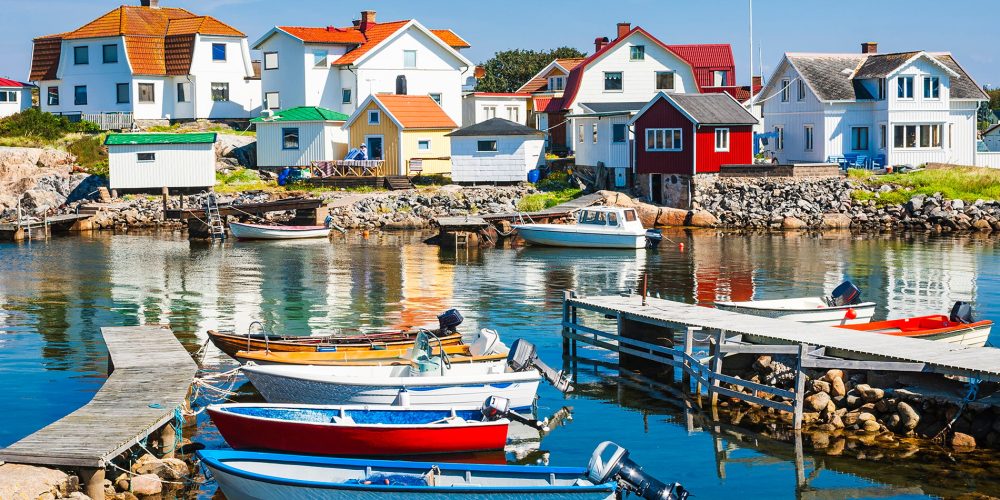
The southern islands remain entirely car-free, creating a peaceful environment for pedestrians and cyclists. Frequent ferries depart from the Saltholmen terminal to reach popular spots like Vrångö and Styrsö. Visitors often enjoy the slow pace of life in these traditional coastal communities. Red wooden cottages and narrow gravel paths define the local architectural style.
Vrångö stands out as the southernmost inhabited island in the group. It features extensive nature reserves and sandy beaches perfect for summer swimming. The island maintains a strong connection to its fishing heritage through local seafood markets. Travelers can find high-quality lobster, crab, and shrimp served fresh from the harbor.
Styrsö serves as a central hub for the southern archipelago. It hosts a variety of guesthouses and small cafes nestled among lush gardens. The island offers panoramic views of the sea from its highest rocky outcrops. Walking trails connect the different villages, allowing for easy exploration on foot.
The northern islands, such as Hönö and Björkö, are accessible by large car ferries. These islands feel more rugged and are larger than their southern counterparts. Hönö Klåva functions as a vibrant center with shops, restaurants, and a fishing museum. It serves as a popular starting point for seal safaris and deep-sea fishing trips.
Sustainability plays a major role in the local tourism industry. Many businesses focus on eco-friendly practices and seasonal ingredients. Restored boathouses now serve as stylish accommodations for overnight guests. These stays provide a direct connection to the water and the surrounding wilderness.
Winter visits offer a different perspective on the Swedish coastline. The landscape turns quiet and dramatic under the soft Nordic light. Many guesthouses remain open, offering cozy fireside experiences and hot saunas. Visiting during the off-season allows for a deeper connection with the local culture.
The Gothenburg archipelago remains a top choice for those visiting Sweden’s second-largest city. It combines urban convenience with remote island charm. Whether for a day trip or a week-long stay, the region rewards curious explorers. The islands represent the quintessential Swedish summer dream.









