

Key Points:
- Usman Khawaja will retire after the fifth Ashes Test at the SCG in Sydney.
- He finishes with over 6,200 Test runs and 16 centuries in 88 matches.
- Khawaja’s career broke barriers as Australia’s first Pakistan-born and Muslim Test player.
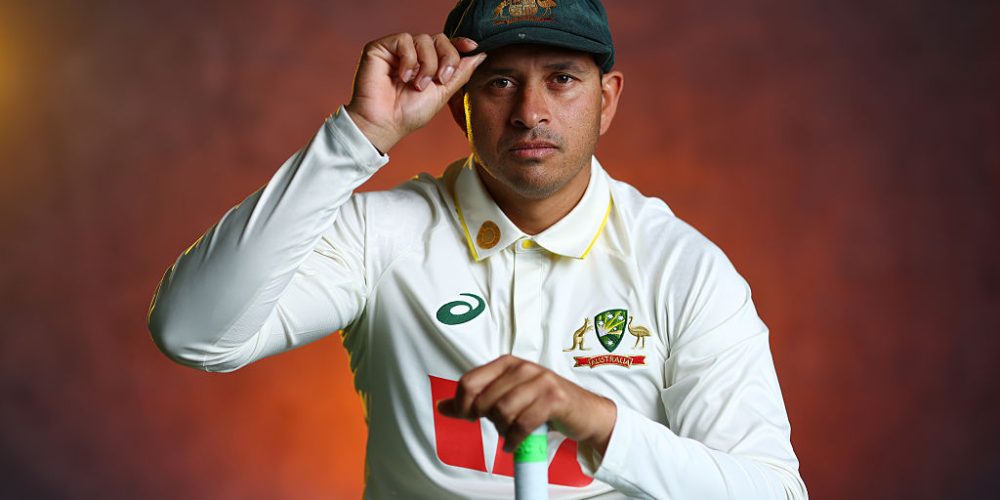
Australia’s veteran batter Usman Khawaja announced he will retire from international cricket after the fifth and final Ashes Test in Sydney. The 39-year-old left-hander will bring an end to a 15-year Test career that began at the same venue in 2011. His final match will mark his 88th appearance for Australia, capping a remarkable journey.
Khawaja finishes with 6,206 Test runs at an average of 43.39, including 16 centuries. His career has seen ups and downs, including periods out of the Test side and later revitalisations. The announcement ends months of speculation about his future. Fans and teammates alike recognise his skill, resilience, and influence on Australian cricket’s modern era.
Born in Pakistan and raised in Sydney from age five, Khawaja became a trailblazer in Australian cricket. He was the first Pakistan-born and first Muslim player to represent Australia in Test cricket. His selection and sustained success broadened the sport’s appeal and inspired many young players from diverse backgrounds. Khawaja has often spoken about the value of opportunity and persistence.
Khawaja delivered some of his best performances at the Sydney Cricket Ground, where he scored twin centuries against England in earlier Ashes series. Those scores helped restore his place in the team after extended absence and remain career highlights. The symmetry of debuting and retiring at the SCG adds emotional weight to his farewell.
His retirement announcement also touched on personal and professional challenges. Khawaja openly referenced times when critics and media questioned his commitment, particularly following injury setbacks. He noted that some criticism mirrored stereotypes he has faced throughout life, expressing hope that future players of diverse backgrounds will encounter fewer barriers.
Khawaja thanked his family for their unwavering support. He singled out his parents and wife for their sacrifices and encouragement throughout his career. He emphasised that his success was not solely his own but rooted in the early belief and hard work that began years before he donned the Australian cap.
Teammates and former players praised Khawaja’s contribution both on and off the field. Officials from Cricket Australia hailed his elegant batting style and resilience, noting that his presence in the team elevated standards and enriched Australian cricket culture. His advocacy for inclusion and equity also left a lasting impression.
As he prepares for his final Test, Australia leads the Ashes series, giving Khawaja the chance to bow out with a winning farewell. His departure marks the close of an era defined by solid technique, consistent run-scoring, and significant social impact. His legacy reaches beyond statistics, highlighting the role sport can play in shaping identity and opportunity.
Khawaja’s retirement provides a moment for reflection in Australian cricket. His journey—from a promising rookie to a decorated veteran—illustrates tenacity and adaptability. The cricket community now looks ahead, acknowledging his contributions while anticipating the next generation of players inspired by his story.









