

KEY POINTS
- Head coach Mauricio Pochettino stated that his squad was simply not good enough on the pitch.
- The manager firmly refused to use the intense off-field administrative drama as an excuse.
- With his contract set to expire, Pochettino’s future with the national team remains uncertain.
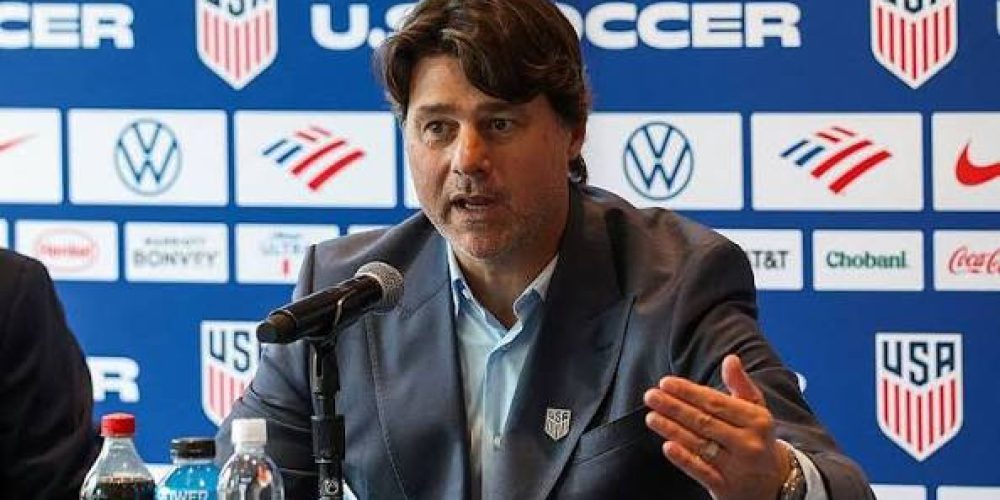
United States men’s national team manager Mauricio Pochettino offered a brutally honest assessment of his squad’s performance following their emphatic exit from the 2026 FIFA World Cup on Monday. Speaking after a comprehensive 4-1 loss to Belgium in the Round of 16, the Argentine tactician made it clear that the host nation failed to perform up to the standards required at the elite level. Despite the immense cloud of controversy surrounding the availability of forward Folarin Balogun leading up to kickoff, Pochettino firmly rejected any attempts to blame external factors for the tactical collapse.
What You Need to Know
The tournament campaign for the United States had reached a fever pitch prior to the knockout fixture in Seattle. Backed by a passionate domestic fan base and riding the momentum of positive results in the group stage and the Round of 32, expectations were high that the host nation could orchestrate a deep tournament run. This optimism was further complicated by an unprecedented administrative battle involving striker Folarin Balogun, who was granted eligibility to play after FIFA remarkably paused a red-card suspension that had initially been triggered during a previous match against Bosnia and Herzegovina.
The executive decision by football’s governing body to lift the ban sparked intense pushback from European football circles, including direct criticism from the Belgian delegation. The off-field political friction quickly became the focal point of media coverage, threatening to disrupt the concentration of both squads. While the international media landscape focused entirely on whether the host nation was receiving preferential regulatory treatment, the tactical preparations for a vital elimination match were forced into the background.
When the teams finally took the field, the administrative debate yielded to a clinical display of football by the Belgian side. The Red Devils took an early lead, and though the United States managed to briefly equalize through a deflected free-kick from midfielder Malik Tillman, the Americans surrendered a second goal less than a minute later. From that point forward, the host nation produced its most hesitant, disjointed performance of the summer tournament, eventually conceding two more goals in the second half to seal their elimination.
Analyzing the US World Cup Performance
Addressing reporters at a packed post-match press conference, a visible frustrated Pochettino did not hold back in evaluating his team’s collective shortcomings. The manager emphasized that the squad completely failed to showcase its true quality or connect with the flow of the match from the opening whistle. He characterized the evening as a thoroughly bad day for the program, noting that the failures occurred both on an individual level and as a cohesive collective unit.
Crucially, the head coach shut down any narrative suggesting that the political and media storm surrounding Balogun’s eligibility served as a distraction for his players. Pochettino maintained that the administrative circumstances were external realities that did not directly impact the team’s tactical execution or mindset on the pitch. In his view, attempting to manufacture excuses would only mask the objective reality that Belgium performed at a vastly superior level throughout the ninety minutes of play.
The manager expressed specific frustration regarding his team’s inability to manage the game immediately after fighting their way back into the contest. Conceding a second goal a mere 56 seconds after Tillman’s equalizer completely shattered the hosts’ tactical momentum and exposed severe defensive fragilities that have plagued the roster. Pochettino acknowledged that at this elite stage of international competition, committing fundamental errors in transition will inevitably result in a swift departure from the tournament.
The definitive exit also brings an end to the active participation of all three North American host nations, with the United States joining Canada and Mexico on the sidelines. Despite the bitter nature of the heavy defeat, the manager sought to defend the overall trajectory of the national team program over the past calendar year. He stated that the squad had established foundational principles for the future and made significant competitive strides, even if the final result exposed a widening gulf between themselves and the world’s elite footballing powers.
Why This Matters
Pochettino’s direct, excuse-free approach carries significant weight for American sports consumers and media analysts who are evaluating the legacy of this host tournament. By refusing to hide behind administrative controversies or political interventions, the manager has forced a direct focus onto the technical and structural deficiencies of American soccer. This candid assessment sets a healthy standard for sports journalism in the United States, shifting the public conversation away from superficial off-field drama and toward deep tactical evaluation.
Furthermore, the blunt acknowledgment of a performance deficit underscores the immense challenge facing United States Soccer as it tries to build a sustainable football infrastructure. For corporate investors, television networks, and commercial sponsors who gambled heavily on the host nation’s cultural breakthrough during this cycle, the exit serves as a reminder that marketing success cannot substitute for on-field execution. The focus must now turn toward long-term strategic growth rather than relying on short-term tournament hype.
NCN Analysis
The post-match press conference highlighted the professional integrity of Mauricio Pochettino, but it also signaled the start of an intense period of uncertainty for the national team. With his contract set to expire at the conclusion of this World Cup cycle, the manager’s future remains entirely up in the air. While Pochettino expressed pride in the relational and structural foundations built over the past year, his comments indicate that both he and the federation will need time to reflect before committing to an extension.
Moving forward, the federation’s leadership faces a critical crossroads regarding the direction of the men’s senior squad. If Pochettino departs, finding a world-class manager willing to navigate the unique institutional pressures of American soccer will be a daunting task. Observers should watch closely over the coming weeks to see how initial conversations unfold between the coaching staff and executives. Ultimately, the program cannot afford to lose the structural discipline that Pochettino has initiated if they hope to bridge the gap with European and South American powerhouses.
The host nation’s World Cup journey has reached its conclusion, leaving the program to contemplate a performance that simply fell short of the global standard.
Reported by the NCN Editorial Team









