

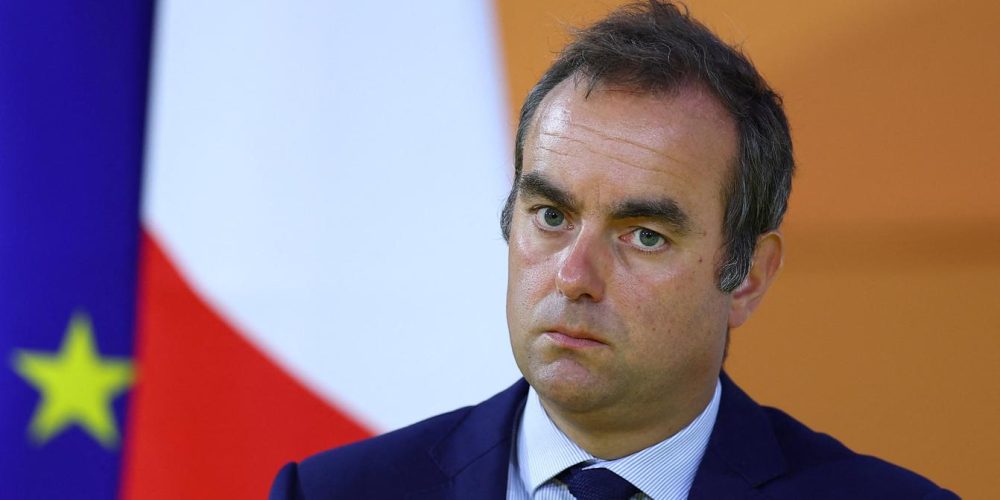
French Prime Minister Sébastien Lecornu plans to propose a €31 billion austerity package aimed at reducing France’s budget deficit to 4.7% of GDP by end-2026, according to La Tribune and Reuters.
The draft budget, expected to be published imminently, will blend spending cuts with revenue increases. Among the measures: a tax on wealthy holding companies, and freezing social benefits so they don’t rise with inflation.
France currently posts the largest deficit in the eurozone. President Emmanuel Macron has repeatedly tasked prime ministers with tightening public finances. Lecornu, who returned as PM after a brief resignation, already faces skepticism. His predecessors fell after failing to enact painful reforms.
Critics warn that the cuts may spark political backlash, as many French citizens are already wary of austerity and high taxes. Business groups, however, have called for better fiscal discipline to restore investor confidence.
Lecornu’s political stability is fragile. He faces at least two no-confidence votes, and the narrow parliamentary base may strain his ability to pass sweeping changes.
If done well, this budget could rebalance France’s finances ahead of upcoming European economic pressures. But if managed poorly, it risks destabilizing his premiership—and public trust.









