

KEY POINTS
- A massive March heat wave across the Western United States set over 60 record highs.
- Several desert locations reached 44.4 degrees Celsius, marking a new national high for the month.
- Experts identified the unusually early extreme temperatures as a rare one-in-500-year weather event.
A relentless and historic heat wave that scorched the Western United States has finally begun to subside. This weather event gripped the region with an intensity rarely seen so early in the calendar year. Meteorological data indicates that the heat wave shattered numerous long-standing records for both duration and temperature levels.
The heat reached its peak during the third week of March, according to federal weather monitoring services. More than 65 cities spanning from California to Idaho recorded new monthly highs during this period. Temperatures in some areas felt more like the peak of summer than the end of winter.
On a single Friday, four specific locations near the California and Arizona border registered 44.4 degrees Celsius. This reading established a new national record for the highest temperature ever documented in March. The heat impacted major metropolitan hubs including Los Angeles, Phoenix, and Las Vegas.
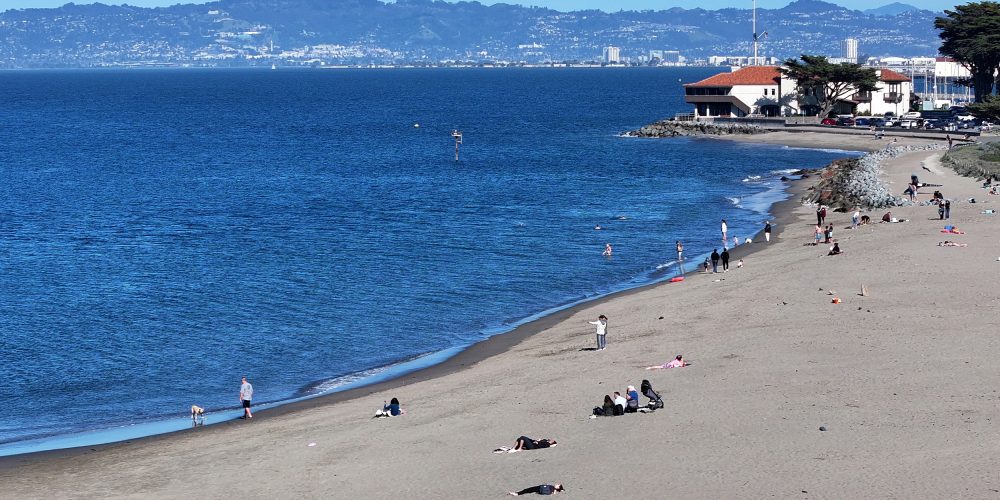
In Los Angeles, the mercury climbed to 98 degrees Fahrenheit earlier than at any point in nearly 150 years. Meanwhile, Death Valley reached a scorching 40 degrees Celsius as the heat expanded across the desert southwest. Even typically cooler coastal cities like San Francisco tied historic marks during the peak of the event.
The National Weather Service maintained extreme heat warnings for several days to protect public health. Local emergency departments reported a surge in heat-related rescues, particularly on popular hiking trails in Arizona. Authorities repeatedly warned residents about the dangers of leaving children or pets in stationary vehicles.
Climate scientists describe the event as a one-in-500-year occurrence for this time of year. They noted that such extremes would be virtually impossible without the influence of human-caused climate change. The timing of the heat wave arriving just as winter ended alarmed many environmental experts.
The unseasonable warmth had immediate effects on the local ecosystem and natural habitats. Many plants and trees across the West began blooming weeks ahead of their typical schedule. Vegetation growth had already been rapid following heavy rainfall during the preceding winter months.
While the heat has now eased, the implications for the coming summer season remain a concern. Rapid snowmelt in mountainous regions can affect water supplies and increase the risk of early wildfires. Some areas are already monitoring increased fire activity following the dry, hot spell.
The Western US is now transitioning back toward more typical spring conditions as the high-pressure system weakens. However, the record-breaking nature of this event serves as a significant marker for current climate trends. Experts continue to analyze the data to understand the long-term impact on regional weather patterns.









