

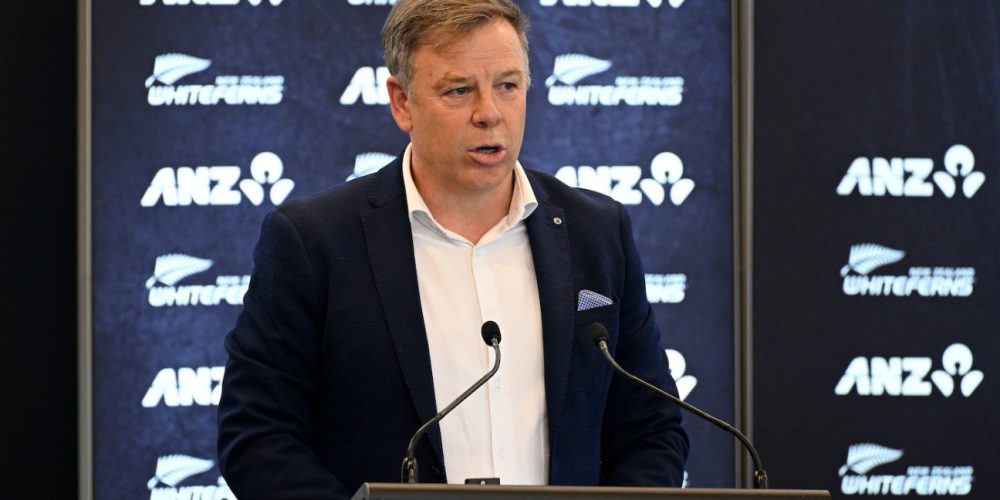
New Zealand Cricket’s chief executive, Scott Weenink, has announced his resignation, bringing to an end a turbulent tenure marked by growing disagreements over the future direction of the sport in the country. Weenink said he will leave his role on January 30, 2026, after leading the organisation for more than two years amid rising tension with member bodies and the New Zealand Cricket Players’ Association.
Weenink’s departure stems from deep differences about how New Zealand Cricket should prioritise its long-term strategy. Central to the dispute has been the role of Twenty20 cricket and plans for a new franchise-based competition, tentatively earmarked for launch in January 2027. While players and the six regional member associations have broadly backed an NZ20-style league similar to other global franchise models, Weenink reportedly favoured alternative approaches, including exploring entry into existing overseas competitions.
In a statement, Weenink said that continued divergence in vision made it difficult to lead effectively. He stressed the importance of unity at the top of the organisation and acknowledged that new leadership could help bring all stakeholders together. Despite the differences, he expressed pride in the progress New Zealand Cricket has made during his time at the helm.
Hofer Shines in Net as Blues Blank Jets in Busy Night Across the NHL
Under Weenink’s leadership, New Zealand experienced notable on-field success. The White Ferns secured the Women’s T20 World Cup, and the men’s team notched key victories, including a historic Test series win in India and a run to the Champions Trophy final in 2025. Off the field, the organisation saw strong financial results and secured long-term broadcast agreements, reflecting commercial stability and audience growth in the sport.
However, friction over governance and priorities has overshadowed some of these achievements. The proposed NZ20 league has become a lightning rod in discussions. Advocates argue the competition would modernise domestic cricket, attract global talent, and generate new revenue streams. Critics maintain the existing structures, including the long-standing Super Smash tournaments, still hold value for the domestic game and community engagement.
Weenink’s resignation follows a period of heightened internal debate. Earlier this month, reports emerged that he had taken leave amid behind-the-scenes conflicts with New Zealand Cricket’s board and key stakeholders. While officials initially framed this as personal time off, insiders suggested his position had become increasingly contested, especially as momentum built around the T20 strategy and broader governance issues.
The announcement marks a key leadership change at a pivotal moment for New Zealand Cricket. With the future of the domestic T20 scene and structural priorities still unresolved, the organisation now faces the task of selecting a successor who can bridge competing visions. Many expect the next CEO to play a decisive role in finalising the framework for NZ20 and shaping the sport’s trajectory over the coming decade.
As Weenink prepares to exit, stakeholders have emphasised the need for stability and clarity. The next few months are likely to involve intensive discussions among the board, regional associations, players, and commercial partners as they seek consensus on how best to position New Zealand cricket for growth on both domestic and international stages.









