

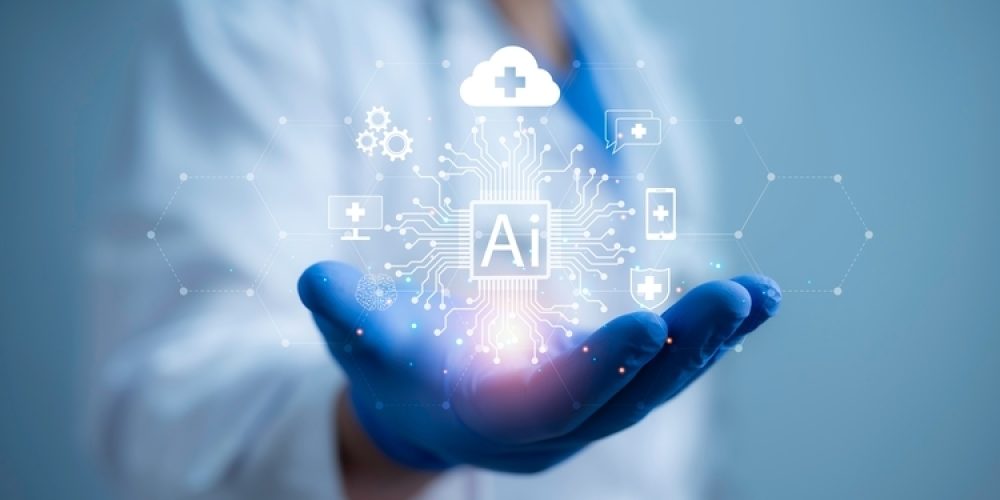
The year 2025 marked a historic turning point for medical technology across Europe. Artificial intelligence transitioned from a futuristic concept to a practical tool in hospitals and clinics. These digital advancements have significantly improved patient outcomes and reduced the burden on exhausted medical staff. From early diagnosis to personalized treatment plans, AI is now a core pillar of the European healthcare system.
One of the most impactful changes occurred in the field of diagnostic imaging. AI algorithms now analyze X-rays and MRI scans with unprecedented speed and accuracy. These systems can identify tiny anomalies that the human eye might miss. This technology is particularly effective in detecting early-stage cancers when they are most treatable. Radiologists now use these tools to prioritize urgent cases and reduce long waiting lists.
Pharmaceutical research also experienced a massive leap forward this year. AI models have dramatically shortened the time required to discover new drug candidates. Researchers in Europe used these systems to simulate how millions of molecules interact with specific diseases. This process, which once took years, now happens in a matter of weeks. As a result, new treatments for rare conditions are entering clinical trials at a record pace.
Personalized medicine has become more accessible to the average citizen in 2025. AI now analyzes a patient’s unique genetic profile and lifestyle data to suggest tailored therapies. Doctors no longer rely solely on a one-size-fits-all approach for chronic illnesses. Instead, they can predict how a specific individual will react to a certain medication. This precision reduces the risk of dangerous side effects and improves overall recovery rates.
The administrative side of healthcare saw a much-needed digital overhaul. AI-powered assistants now handle routine tasks like scheduling and patient documentation. These tools automatically transcribe doctor-patient conversations into accurate medical records. This change allows physicians to spend more time interacting with patients rather than typing on computers. European health ministers report that this shift has noticeably reduced burnout rates among frontline workers.
Finally, AI has enhanced remote monitoring for patients with long-term conditions. Smart wearable devices now track vital signs and predict potential health crises before they happen. If a device detects a concerning trend, it immediately alerts the patient’s medical team. This proactive approach prevents many emergency hospital admissions and allows elderly patients to live safely at home for longer.
These five breakthroughs demonstrate that AI is a force for good in modern medicine. While ethical debates regarding data privacy continue, the benefits to human life are undeniable. Europe has positioned itself as a global leader in responsible and effective health tech integration. As we look toward the future, the partnership between human expertise and machine intelligence will only grow stronger.









