

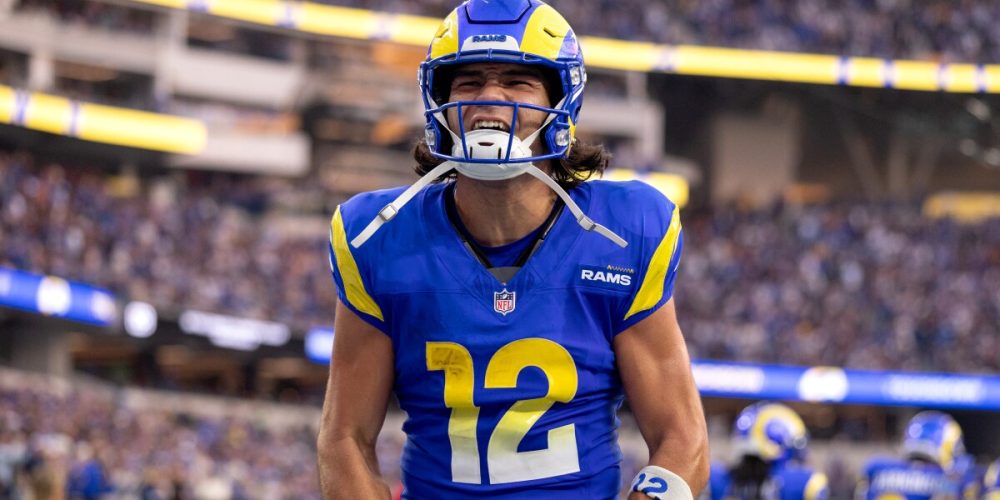
Los Angeles Rams wide receiver Puka Nacua has issued a public apology after an antisemitic remark made during an online interaction triggered swift criticism from fans, advocacy groups, and the wider NFL community.
The incident surfaced earlier this week when a clip from a livestream began circulating on social media. In the video, Nacua used a phrase widely recognized as offensive and rooted in antisemitic stereotypes. The comment quickly gained attention, prompting condemnation and calls for accountability.
Nacua responded by acknowledging the harm caused and expressing remorse. In a statement shared publicly, he said he was deeply sorry and emphasized that the remark did not reflect his values or beliefs. He added that he takes responsibility for his words and understands the importance of being mindful, especially given his platform as a professional athlete.
The Rams organization also addressed the issue, stating that it does not tolerate hate speech in any form. Team officials confirmed they had spoken directly with Nacua and stressed the importance of respect, education, and accountability. The franchise reiterated its commitment to inclusion and diversity, noting that players are expected to uphold those standards on and off the field.
The NFL has increasingly emphasized education around social issues, discrimination, and hate speech in recent years. While the league has not announced disciplinary action related to the incident, it has made clear in past cases that player conduct, including online behavior, matters. League officials have often encouraged learning and dialogue alongside accountability when such situations arise.
Jewish advocacy organizations reacted by welcoming Nacua’s apology but stressed that words matter, particularly in a time when antisemitism is rising globally. Several groups pointed out that even casual or unintended remarks can reinforce harmful stereotypes and contribute to broader social harm.
Nacua, a rising star who has quickly become a fan favorite for his on-field performance, said he plans to educate himself further and listen to those affected. He emphasized that the experience has been a learning moment and that he hopes to grow from it.
Teammates and coaches have largely refrained from public comment, though sources close to the team say discussions have focused on understanding why the language was offensive and how similar incidents can be avoided in the future.
The episode highlights the growing scrutiny athletes face in the digital age. Livestreams, podcasts, and social media posts can reach millions instantly, leaving little room for mistakes. Experts note that while apologies are important, long-term impact often depends on follow-up actions, education, and consistent behavior.
For the Rams, the focus now shifts back to football as the team prepares for its next game. Still, the situation serves as a reminder that professional athletes are cultural figures whose words can resonate far beyond the playing field.
As conversations around hate speech continue across sports, Nacua’s apology adds to an ongoing dialogue about responsibility, growth, and the role of education in addressing prejudice.









