

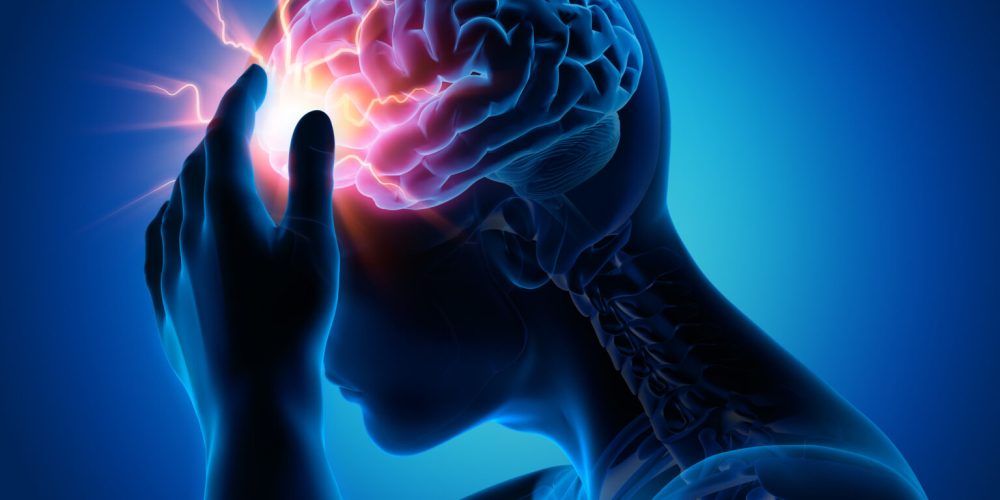
The opioid overdose crisis continues to devastate communities, and recent research highlights the dangerous toll on the brain. Overdoses can cause significant brain injuries, including oxygen deprivation, which has long-lasting effects on cognitive and physical health.
Scientists are now focusing on understanding how these brain injuries complicate recovery and contribute to the epidemic’s severity. When the brain is deprived of oxygen, cells die, leading to both short-term and permanent impairments in memory, motor skills, and emotional regulation.
The long-term effects of these injuries increase the need for comprehensive treatment and rehabilitation, complicating recovery from addiction. Addressing the brain injury aspect could improve the chances of recovery for individuals affected by opioid overdoses. Experts suggest that early intervention and targeted therapies may help mitigate these effects, but more research is needed.









