

KEY POINTS
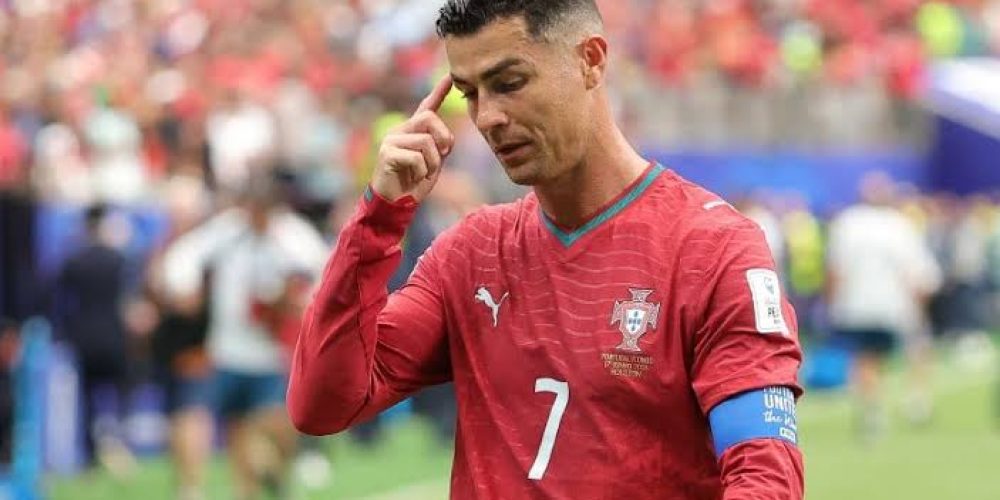
- Cristiano Ronaldo failed to silence critics during Portugal’s underwhelming opening match on the global stage.
- The legendary forward struggled to impact the game, registering the fewest touches of any outfield starter.
- Despite mounting external pressure, management defended the captain’s presence and undisputed goal-scoring pedigree.
Portugal’s opening match of the international tournament left football pundits questioning the tactical wisdom of anchoring the national team’s attack around Cristiano Ronaldo. The legendary forward struggled to find his rhythm against a resilient defense, fueling a growing narrative that his best days on the global pitch are firmly in the past. For American fans accustomed to seeing aging icons transition into supporting roles, the fierce debate surrounding the iconic captain highlights the immense pressure of top-tier international sports.
What You Need to Know
The conversation surrounding Cristiano Ronaldo’s longevity has been a polarizing fixture in modern football for several seasons. Holding the all-time men’s international records for both total appearances and goals scored, his legacy as one of the greatest athletes to ever play the sport remains undisputed. However, as the forward enters the twilight of his career, balancing his historic stature with the tactical needs of a highly talented roster has become an intricate challenge for team management.
Portugal boasts one of the most deep and dynamic attacking units in world football, featuring elite talent competing across Europe’s top domestic leagues. This abundance of youth and pace has led to frequent tactical debates regarding whether a more fluid, high-pressing frontline would serve the collective team better. When the national squad struggles to break down disciplined defensive blocks, the focal point of criticism inevitably shifts toward their veteran leader.
Managing the minutes and expectations of a global sporting icon requires delicate diplomacy from the coaching staff. While modern sports science allows athletes to prolong their careers well into their late thirties and early forties, the physical demands of tournament football remain absolute. Navigating this tournament requires a delicate balance between leveraging invaluable veteran experience and capitalizing on youthful exuberance.
Dynamic Attack Lacking in Frustrating Roster Stalemate
Throughout the ninety minutes of play, Portugal controlled the vast majority of possession but struggled significantly to convert their territorial dominance into high-quality scoring opportunities. The opposition deployed a disciplined, compact defensive structure that effectively cut off the passing lanes into the penalty box. This strategic setup left Cristiano Ronaldo isolated for long stretches, cut off from the creative output of his midfield teammates.
The numbers from the match told a frustrating story for tactical analysts, revealing that the captain accumulated fewer touches on the ball than any other starting player who featured for more than a half. When he did drop deeper to link up with the midfield, his movements lacked the explosive acceleration that once terrorized international defenses. The lack of dynamic movement in the final third allowed opposition center-backs to comfortably mark him out of dangerous positions.
Despite the visible frustration on the pitch, national team manager Roberto Martínez staunchly defended his decision to leave the veteran forward on the field for the entirety of the match. In his post-game remarks, Martínez emphasized that when a team is actively searching for a decisive breakthrough, removing the most prolific goal-scorer in football history defies logic. The coaching staff maintained that the primary issue lay in a collective failure to deliver quality service into the six-yard box, rather than individual physical decline.
The stalemate leaves the squad under immediate pressure to adjust their offensive approach ahead of their upcoming group fixtures. Football analysts suggest that integrating quicker structural rotations or utilizing the captain in a more targeted, condensed role could unlock the full potential of the roster. How the technical staff responds to this opening setback will dictate the narrative of their entire international campaign.
Why This Matters
The ongoing debate surrounding elite athletic decline resonates deeply with sports fans across the United States, who have witnessed similar generational transitions across the NFL, NBA, and Major League Baseball. Seeing transcendent figures grapple with the realities of aging under an intense media microscope is a universal narrative in modern sports culture. For American corporate sponsors and media networks invested heavily in international sports broadcasting, the drawing power of iconic figures remains a critical metric for television viewership and advertising revenue.
Additionally, the tactical dilemma facing the Portuguese national team provides a compelling case study for corporate leadership and sports management programs throughout North America. It illustrates the organizational challenge of managing legacy talent while trying to integrate and empower a new wave of highly skilled workers. The decisions made on this international stage offer valuable insights into team chemistry, brand management, and the evolution of modern sports entertainment.
NCN Analysis
The opening match performance confirms that building an entire international attack around a static central figure invites predictability. While Cristiano Ronaldo’s positioning and natural predatory instincts inside the penalty area remain elite, modern defensive units are highly adept at neutralizing isolated forwards. If the coaching staff refuses to implement a more fluid tactical system, they risk wasting the prime competitive years of an exceptionally talented midfield generation.
Moving forward, the technical staff must find a compromise that maximizes collective efficiency without alienating their influential captain. This could involve adjusting the starting lineup to feature more direct, vertical wingers who can force defenders backward and create the space the veteran striker needs to thrive. The ability of the management team to adapt will ultimately determine whether this tournament represents a triumphant final chapter or a disappointing conclusion to an era.
Finding the right balance between honoring legendary experience and utilizing squad velocity is the defining challenge facing Portugal’s tactical future.
Reported by the NCN Editorial Team









