

KEY POINTS
- A federal judge issued a preliminary injunction to stop work on a new immigration facility in Maryland.
- Local advocates and environmental groups filed the lawsuit citing violations of federal land use regulations.
- The Trump administration intended the facility to house over 1,000 detainees as part of a national enforcement surge.
A federal judge in Maryland ordered an immediate halt to the construction of a major immigration detention facility on Thursday. The ruling stops all development activities at the site located in Queen Anne’s County. This decision represents a significant legal setback for the administration’s efforts to expand detention capacity along the East Coast.
U.S. District Judge Paula Xinis granted the preliminary injunction after reviewing a lawsuit brought by local residents and advocacy organizations. The plaintiffs argued that the federal government bypassed mandatory environmental reviews before breaking ground. They also claimed the project failed to comply with established local zoning and land use requirements.
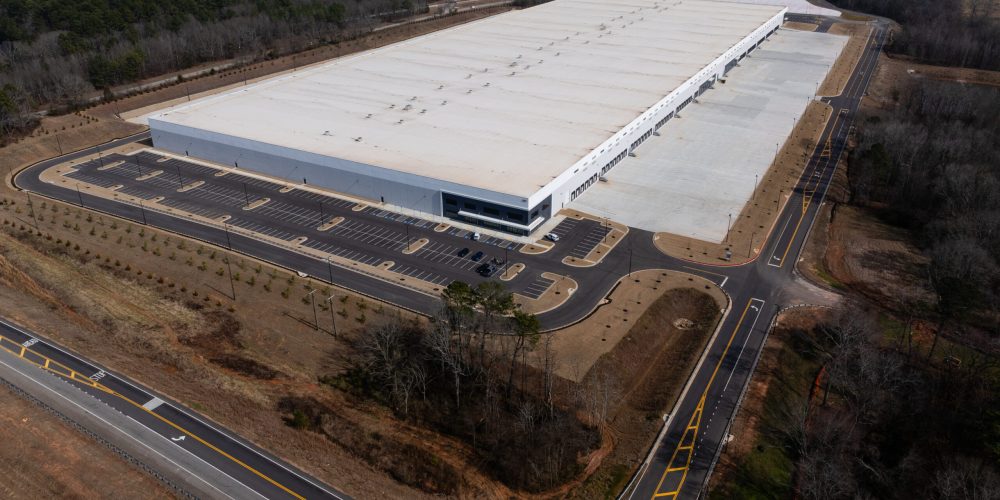
The proposed facility was designed to hold approximately 1,200 detainees under the supervision of Immigration and Customs Enforcement. It served as a cornerstone of the administration’s plan to increase the national detention bed count. Officials stated the center was necessary to manage the rising number of individuals apprehended during recent enforcement operations.
During the hearing, government attorneys argued that national security interests should override local administrative hurdles. They maintained that the Department of Homeland Security has the authority to expedite infrastructure projects during periods of high operational demand. However, the court found that the government likely skipped essential steps required by the National Environmental Policy Act.
The judge noted that the potential for permanent environmental damage outweighed the government’s desire for a rapid construction timeline. Local activists celebrated the ruling as a victory for community transparency and environmental protection. They have long expressed concerns about the impact of the facility on local water resources and traffic patterns.
This legal pause comes at a time of heightened tension regarding federal immigration policies. Several other states have seen similar challenges to the rapid expansion of detention centers. The Maryland ruling may provide a blueprint for other jurisdictions seeking to slow or block federal projects through environmental litigation.
Work on the site must remain suspended until the court can conduct a full trial on the merits of the case. This process could take several months or even years to resolve. The Department of Justice has already indicated it may file an appeal to the Fourth Circuit Court of Appeals to overturn the stay.
For now, the construction equipment at the Queen Anne’s County site remains idle. The administration may need to look for alternative locations if the legal battle continues to stall their progress in Maryland. This delay impacts the broader logistics of the national deportation and detention strategy currently underway.
Opponents of the facility have vowed to continue their fight in court until the project is permanently canceled. Meanwhile, federal officials warn that a lack of local detention space will complicate the processing of non-citizens in the region. The case highlights the growing conflict between federal mandates and local community resistance.









