

KEY POINTS
- President Donald Trump stated he has no fear of retaliatory strikes within the United States.
- Federal law enforcement agencies remain on high alert despite the president’s confident public stance.
- The White House emphasized that domestic security measures are sufficient to intercept any foreign threats.
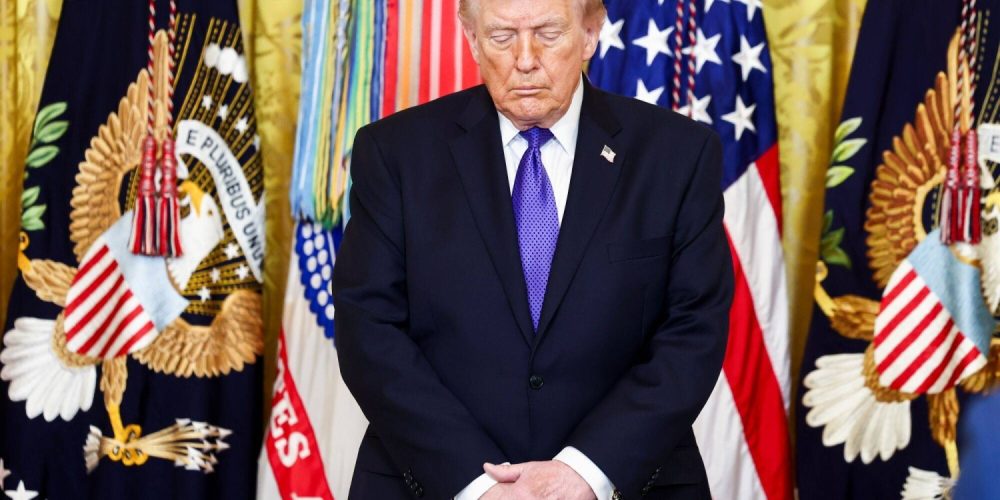
President Donald Trump addressed the nation on Wednesday to discuss the growing concerns over domestic security. He stated firmly that he is not worried about potential attacks on American soil backed by Iran. These comments come as the military conflict in the Middle East continues to expand in scope. The president expressed absolute confidence in the ability of the United States to protect its citizens at home.
The administration has faced increasing questions regarding the possibility of retaliatory strikes from foreign agents. Intelligence reports have recently suggested that certain groups might attempt to target infrastructure or public spaces. However, the president dismissed these warnings during a brief session with reporters at the White House. He suggested that his administration has implemented the strongest border and internal security protocols in history.
Government agencies including the FBI and Department of Homeland Security have increased their surveillance activities recently. These organizations are monitoring for any signs of coordinated activity linked to overseas interests. While the president projects an image of total calm, his security teams continue to operate at a heightened state of readiness. This dual approach aims to prevent public panic while maintaining a rigorous defensive posture.
The president also mentioned that any attempt to bring the war to the United States would result in an immediate response. He warned that the consequences for such actions would be far more severe than current overseas operations. This rhetoric serves as a deterrent to any groups considering a domestic escalation of the conflict. The White House believes that a display of strength is the best way to ensure national safety.
Critics of the administration have argued that the president should take the threats more seriously in his public remarks. They point to the history of unconventional warfare as a reason for continued caution and public transparency. Some lawmakers have called for more detailed briefings on the specific nature of the domestic risks. Despite these calls, the executive branch maintains that the situation is fully under control.
Technical experts in counter-terrorism noted that the digital landscape remains a primary area of concern. Cyberattacks on financial or utility systems could provide a way for adversaries to strike without a physical presence. The government has directed additional resources toward protecting these vital networks from foreign intrusion. The president highlighted these efforts as a key component of his broader national defense strategy.
Public reaction to the president’s statements has been mixed along partisan lines. Supporters praised his bold leadership and refusal to be intimidated by foreign adversaries. Others expressed concern that overconfidence could lead to lapses in vigilance at the local level. Security at major transportation hubs and government buildings remains visibly increased across the country.
The president concluded his remarks by promising that the United States would emerge from the current crisis stronger than ever. He reiterated that his primary focus remains the prosperity and safety of the American people. As the situation in the Middle East evolves, the domestic security environment will continue to be a major topic of debate. Further updates from the intelligence community are expected as they monitor new developments.









