

KEY POINTS
- Norway head coach Stale Solbakken criticized Scotland’s management after a planned closed-doors warm-up fixture was abruptly canceled.
- The Scottish Football Association defended the decision, citing sudden squad fitness concerns and minor injuries to key players.
- Both national teams are currently based in North Carolina finishing their final operational preparations before their opening tournament group stages.
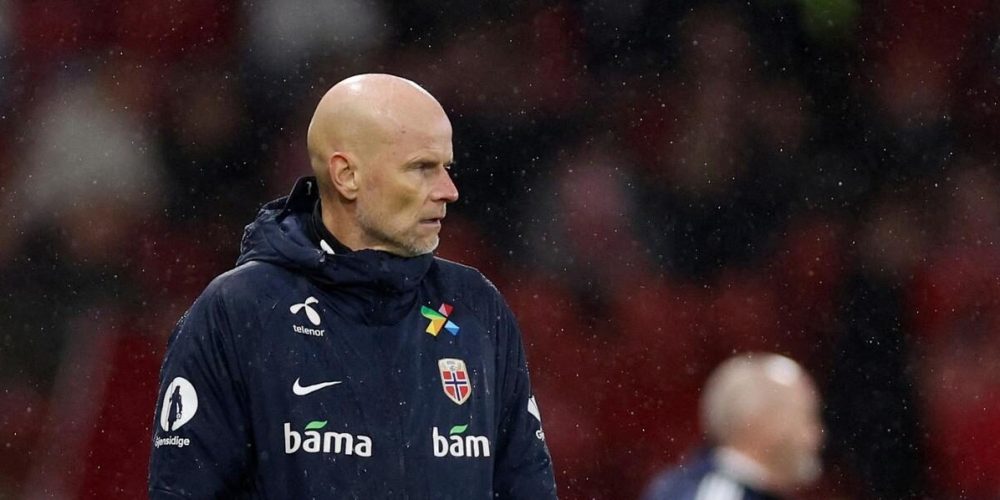
An intense war of words has broken out on the eve of the FIFA World Cup after a planned warm-up match between Scotland and Norway was abruptly called off. Norway manager Stale Solbakken did not hold back his fury, publicly labeling the late cancellation by his upcoming opponents as completely unprofessional. The sudden decision has significantly disrupted the training schedules of both teams as they finalize their high-stakes preparations in North Carolina.
What You Need to Know
The two European nations chose to establish their pre-tournament training camps in close proximity within North Carolina to take advantage of local collegiate facilities and acclimate to the summer heat. With the grueling tournament schedule just days away, coaching staffs often arrange private scrimmages to test depth players and experiment with tactical shapes without exposing their strategies to international scouting networks or public media scrutiny.
The behind-closed-doors training game was scheduled to take place on Monday morning at Scotland’s designated training complex in Charlotte. The fixture was designed to provide crucial match fitness for secondary squad members who had received limited minutes during public exhibition matches. However, the Norwegian Football Federation surprised travelers by announcing on Sunday evening that the entire operation had been abruptly scrapped.
The cancellation forced Norway to rapidly adjust their personnel rotations during their final public exhibition match against Morocco. Solbakken had initially intended to rest several regular starters during that fixture, but the loss of the Monday training game meant he had to alter his strategy on the fly. The tactical confusion resulted in a demanding physical workload for his primary starting eleven just over a week before their tournament opener.
Broken Agreements on the Training Pitch
The logistical fallout from the scuppered scrimmage quickly escalated into a highly public dispute between the respective coaching staffs. Speaking directly to media broadcasters following Norway’s hard-fought 1-1 draw against Morocco at the Sports Illustrated Stadium, a visibly frustrated Solbakken targeted Scotland manager Steve Clarke for failing to communicate the cancellation personally through a direct phone call.
According to the Norwegian camp, Scotland utilized their team manager to convey the decision via text message immediately after Norway had completed an exhaustive afternoon field session. Solbakken expressed deep skepticism regarding Scotland’s official explanation that sudden squad fitness concerns forced the late withdrawal. The veteran manager argued that any compounding injuries should have been identified much earlier in the week rather than hours before the scheduled kickoff.
The Scottish Football Association immediately issued a firm public defense of their executive decision-making process. Governing officials clarified that the closed-doors encounter was strictly negotiated and organized by respective administrative team managers rather than the head coaches. The SFA emphasized that after several players picked up minor muscle strains during a recent victory over Bolivia, proceeding with a physical training match presented an unacceptable risk to their thin roster depth.
Why This Matters
For international sports governing bodies, elite athletic associations, and corporate team partners, this sharp breakdown in communication underlines the immense operational stress modern sports organizations face immediately prior to major global tournaments. The intense pressure to protect multimillion-dollar athlete assets from preventable injuries frequently supersedes traditional sportsmanship or gentlemen’s agreements. A single long-term injury to a crucial player during an untelevised practice match can completely derail a country’s multi-million dollar tournament campaign.
Furthermore, this operational dispute illustrates the difficult administrative balance required when coordinating international training facilities in the United States. When European football associations invest heavy capital into overseas preparation hubs, they rely entirely on absolute logistical certainty to peak physically at the correct psychological moment. Sudden changes to pre-planned tactical schedules create costly administrative friction, highlighting the complex internal realities of elite sports management.
NCN Analysis
The public spat between Solbakken and Clarke exposes the fraying nerves that characterize elite international teams as tournament pressure reaches a boiling point. Norway’s frustration is entirely valid from a sports science perspective; missing out on a planned 60-minute match environment deprives their reserve unit of critical cardiovascular conditioning. However, Clarke’s conservative approach is equally justifiable given that Scotland’s thin roster cannot withstand a sudden wave of preventable soft-tissue injuries before their difficult group opener against Haiti.
As the tournament calendar advances, global football enthusiasts should closely monitor how this sudden lack of match sharping impacts Norway’s reserve depth during later stages of the competition. If their primary starters encounter fatigue or suspension issues down the line, the loss of this development opportunity in North Carolina could prove costly. This high-profile disagreement serves as a stark reminder that the tactical battles of the World Cup begin long before the whistle blows on opening night.
The sharp public divide over a canceled practice session reveals the immense pressure and razor-thin margins defining the final pre-tournament preparations of elite international soccer teams.
Reported by the NCN Editorial Team









