

KEY POINTS
- Senator Bernie Sanders warned that the U.S. remains unprepared for the rapid speed of the AI revolution.
- The Vermont senator proposed a moratorium on new AI data centers to allow policymakers time to catch up.
- Sanders raised concerns about the long-term impact of AI on employment, mental health, and human interaction.
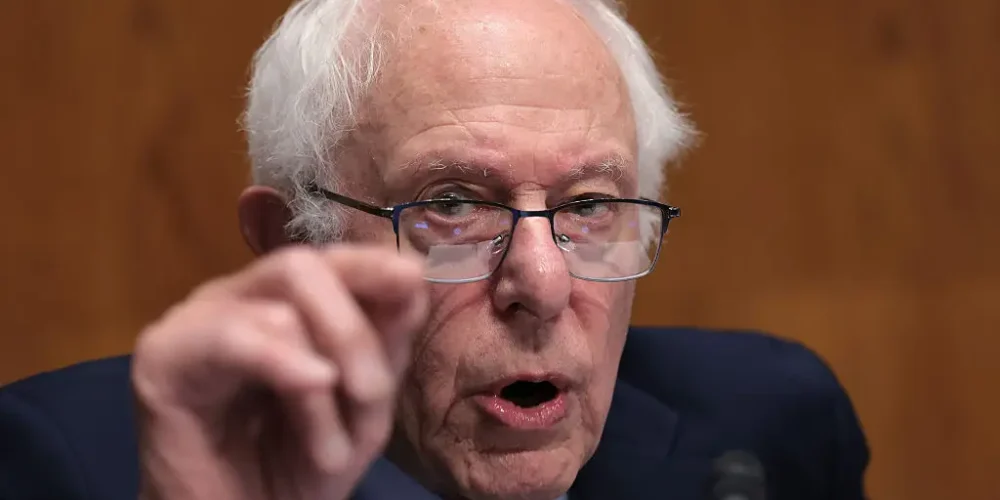
Senator Bernie Sanders has issued a stark warning regarding the rapid advancement of artificial intelligence in the United States. Speaking at Stanford University on Friday, the Vermont independent argued that the public remains unaware of the coming shifts. He described the current era as the most dangerous moment in modern American history. Sanders was joined by Representative Ro Khanna following several high-level meetings with technology leaders in California.
The senator expressed deep concern that the speed of AI development is far outpacing government policy. He claimed that neither Congress nor the general public understands the true scale of the looming transformation. To address these fears, Sanders reissued his call for a temporary moratorium on building new AI data centers. He believes this pause is necessary to protect workers while federal leaders establish proper safety guardrails.
During his remarks, Sanders highlighted the potential for AI and robotics to eliminate tens of millions of jobs. He cited industry projections suggesting that roles ranging from truck drivers to white-collar professionals are at risk. The senator questioned how families will afford healthcare, rent, and food if widespread automation occurs without a plan. He argued that the technology should benefit the general public rather than a small group of billionaires.
The discussion also touched upon the emotional and psychological impacts of increased reliance on artificial intelligence. Sanders noted a growing trend of individuals seeking emotional support from AI chatbots rather than human companions. He questioned the long-term consequences of replacing human interaction with machine-generated relationships. Congressman Khanna added that the country is entering a new gilded age controlled by wealthy tech executives.
Public sentiment appears to align with these concerns according to recent surveys cited during the event. Data indicates that a majority of Americans believe AI will result in fewer jobs over the next two decades. Only a small percentage of the population views the technology’s impact as primarily positive. Despite these fears, tech CEOs continue to argue that AI will drive unprecedented productivity and innovation.
Sanders urged his colleagues in Washington to begin a serious public debate about the future of work. He emphasized that the technology itself is neutral, but its implementation requires democratic oversight. The senator’s California visit also included rallies focused on economic inequality and corporate greed. He continues to push for higher taxes on the ultra-wealthy to fund social safety nets.
As the AI race intensifies, the call for a moratorium highlights a growing divide between Silicon Valley and Washington. Supporters of the pause believe it is the only way to prevent a total economic collapse for the working class. Opponents argue that slowing down will allow international rivals to gain a permanent technological advantage. For now, Sanders remains one of the most vocal critics of the current unregulated path.









