

Key Points:
- The United States allows dual citizenship, but it comes with legal and tax responsibilities.
- Dual citizens must follow US laws even when living or traveling abroad.
- Benefits include global mobility, while risks include tax complexity and military obligations in some countries.
Dual citizenship attracts growing interest as global mobility increases. Many Americans want a second passport for travel, work, or family reasons. Others discover dual nationality through birth or ancestry. Despite rising interest, confusion persists about what dual citizenship actually means under US law.
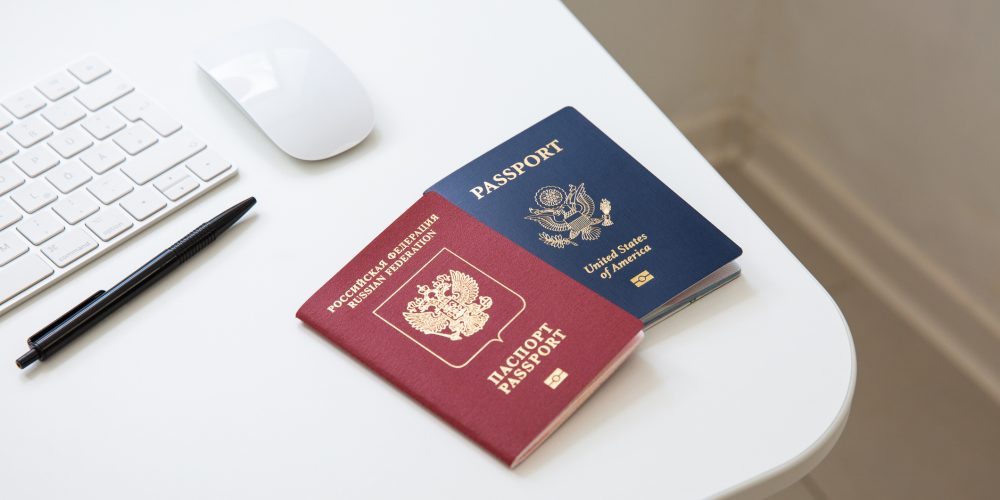
The United States recognizes dual citizenship without requiring citizens to choose one nationality. This approach developed through court rulings and policy decisions rather than a single law. US authorities allow citizens to hold foreign passports while maintaining full American citizenship rights.
Dual citizens enjoy clear advantages. They can live and work in two countries without visas. Many gain easier access to education, healthcare, and property ownership abroad. A second passport can also simplify long-term travel and provide security during political or economic instability.
However, dual citizenship brings obligations that many people overlook. US citizens must follow American laws worldwide. This includes filing US tax returns each year, even while living abroad. The Internal Revenue Service requires reporting foreign income, assets, and bank accounts above certain thresholds.
Tax rules often surprise new dual citizens. While tax treaties may reduce double taxation, paperwork remains complex. Failure to report correctly can trigger penalties. Many dual citizens rely on international tax professionals to stay compliant and avoid legal trouble.
Travel rules also require attention. US dual citizens must enter and exit the United States using a US passport. Border officials may question travelers who attempt to use foreign passports for US entry. This rule applies even when another passport offers easier visa access elsewhere.
Military service obligations may apply in certain countries. Some nations require citizens to serve or register for defense duties. Dual citizens must research these rules carefully before accepting a second nationality. Ignoring such obligations can result in fines or travel restrictions.
Political participation varies by country. Dual citizens can vote in US elections and often vote abroad as well. Some countries restrict political office or public employment for dual nationals. These limitations may affect career planning and civic involvement.
Children often gain dual citizenship automatically. Birthplace, parental nationality, or residency laws can grant multiple citizenships at birth. Parents should understand reporting requirements, passport rules, and future obligations when raising dual-national children.
Renouncing US citizenship remains an option for some, but it carries serious consequences. Renunciation requires formal procedures, fees, and possible exit taxes. Former citizens also lose automatic rights to live or work in the United States.
Public debate continues around loyalty and national identity. US policy accepts that modern lives cross borders. Authorities focus on compliance rather than limiting citizenship choices. This pragmatic stance reflects globalization and international family ties.
For Americans considering dual citizenship, preparation matters. Researching laws in both countries prevents costly mistakes. Understanding taxes, travel rules, and civic duties ensures benefits outweigh risks. Dual citizenship can open doors, but it demands responsibility.









