

KEY POINTS
- The highly decorated director is stepping down after a 14-year tenure to focus on personal goals and individual ambitions.
- As the primary architect of the women’s program, he guided the bianconere roster to an unprecedented five consecutive domestic league titles.
- The administrative transition precedes a major cup final, marking the conclusion of a transformative era in Italian sports management.
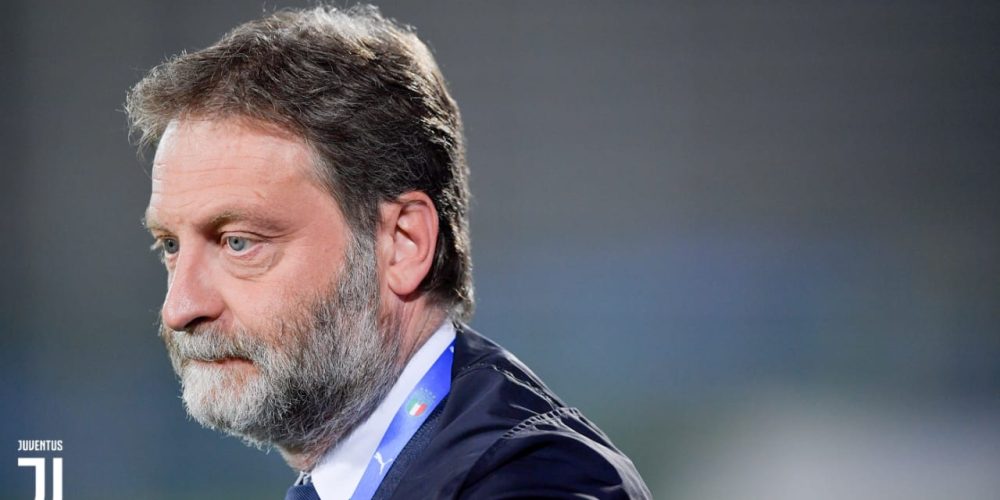
Juventus Women’s Football Director Stefano Braghin has officially announced his decision to step down from his position at the conclusion of the current competitive campaign. The Italian sporting institution confirmed the executive transition, bringing a conclusion to a highly successful partnership that spanned over a decade in Turin. The departure represents a significant structural shift for the multi-national football community as one of its most visionary administrators prepares to move on.
What You Need to Know
The landscape of women’s professional sports in Southern Europe underwent a massive evolution over the last ten years, driven largely by elite clubs investing heavily in infrastructure and administrative talent. Braghin originally integrated into the Juventus corporate framework back in 2012, initially focusing his managerial efforts on optimizing the development of the organization’s youth sector academy pipelines. His exceptional logistical oversight and long-term planning capabilities quickly marked him as a premier candidate for greater corporate responsibilities.
In 2017, the club made a strategic decision to formally launch its dedicated women’s football project, appointing the executive to oversee the entire sporting operation from its inception. Under his precise stewardship, the newly formed squad established immediate domestic dominance, capturing five consecutive Serie A championships to rewrite the record books of Italian athletics. This rapid ascent established the metropolitan franchise as a legitimate force within European competition, regularly competing against the continent’s most established powerhouses.
Beyond securing domestic silverware, the outgoing director played an indispensable role in elevating the broader commercial and cultural profile of the sport throughout the Mediterranean region. His operational framework standardized professional training environments, medical support systems, and recruitment pipelines that other regional organizations eventually emulated. The system he implemented successfully transformed a localized athletic startup into a valuable corporate asset with a highly recognizable global identity.
Strategic Legacy and Leadership Transition
The administrative announcement comes at a highly emotional juncture, arriving just ahead of a critical domestic cup final match. Reflecting on his lengthy journey with the organization, the executive expressed deep gratitude for the rare privilege of guiding the club’s youth and women’s divisions through such a historic period of industrial growth. He emphasized that the deep professional relationships and collective triumphs achieved during his 14 years in Turin remain the proudest accomplishments of his nearly three-decade career in sports management.
The corporate hierarchy has reacted with immense professional respect toward the director’s personal decision to dedicate more time to individual objectives outside of the intensive professional football schedule. Juventus Chief Executive Officer Damien Comolli publicly commended the executive’s extraordinary managerial competency and long-term strategic vision. The chief executive underlined that the departing director leaves behind an incredibly robust operational foundation that will continue to serve as a cornerstone of the club’s international sports strategy.
While the executive prepares to close this definitive chapter of his professional life, the immediate focus of the sporting department remains fixed on finishing the competitive schedule on a high note. The administrative staff and playing roster are entirely aligned to support the director through his final official matchday before the offseason transition begins in earnest. The search for a successor will command significant attention from international sports executives as the club looks to maintain its elite status.
Why This Matters
The structural evolution of elite women’s sports organizations carries direct economic and social relevance for sports enthusiasts and media markets across the United States and global corporate landscapes. The commercial growth of international football leagues demonstrates the immense financial viability of targeted investments in women’s athletic infrastructure, offering essential data points for American sports executives and investment groups. Tracking how prominent franchises manage high-level leadership transitions provides critical insights into maintaining corporate stability amid operational change.
Furthermore, the professionalization of European sports systems directly influences the global transfer market and developmental pipelines for elite North American athletes. As overseas leagues establish more sophisticated training environments and competitive salary structures, they become increasingly attractive destinations for top-tier collegiate talent from the United States. This shifting operational dynamic forces domestic sports entities to continually refine their own business models to remain competitive in a rapidly globalizing talent market.
NCN Analysis
The departure of the foundational director represents the end of a golden era for the Turin-based organization, forcing the club into a critical period of corporate reflection. By building a dominant sporting model from scratch, the outgoing administrator demonstrated that sustained athletic success requires an uncompromising focus on institutional culture and structural depth. The immediate challenge for the incoming management group centers on preserving this winning identity while navigating an increasingly competitive European landscape where rival clubs are closing the resource gap.
Audiences should monitor how the club structures its front-office recruitment over the summer months, as the selection of the next sporting director will signal the long-term ambition of the ownership group. A seamless executive transition is essential to guarantee that ongoing player negotiations and scouting assignments proceed without disruption ahead of the upcoming transfer window. The foundation established over the past decade ensures that the franchise remains an elite destination, but sustaining that excellence demands continued innovation at the highest administrative level.
The true measure of an executive’s legacy lies in the enduring strength of the institution they leave behind.
Reported by the NCN Editorial Team









