

KEY POINTS
- Artificial intelligence tools are accelerating the creation of racist digital caricatures.
- Viral deepfakes use Black archetypes to spread harmful misinformation about social programs.
- Civil rights experts warn that state-sponsored digital manipulation is distorting social reality.
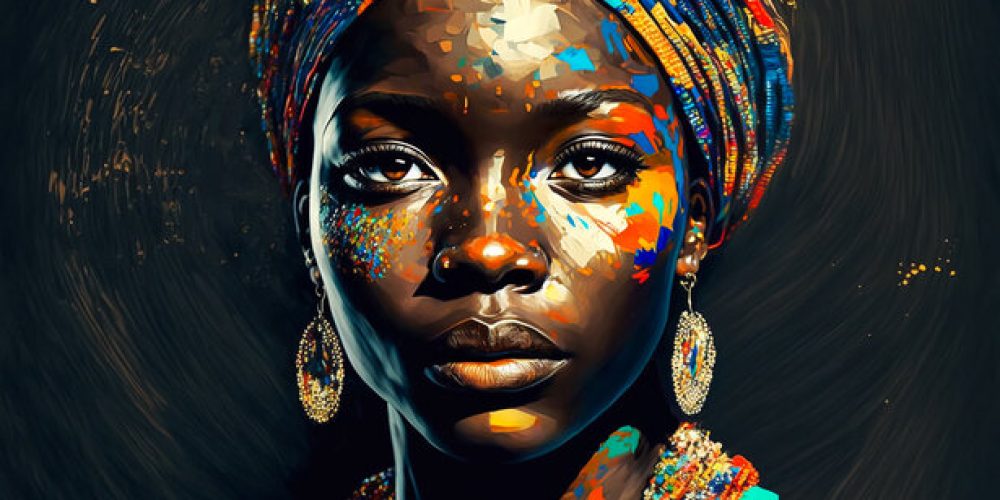
The emergence of generative artificial intelligence has triggered a massive surge in “digital blackface” across social media. This phenomenon involves non-Black creators using AI to adopt Black avatars, voices, and cultural expressions. Experts suggest these tools allow for the commodification of Blackness while stripping it of its original authorship and context. The trend has accelerated rapidly as high-quality video generation technology becomes widely accessible to the public.
A series of viral TikTok videos recently illustrated the dangerous potential of this technology. These posts featured AI-generated Black characters claiming to abuse the Snap benefits system. Despite visible watermarks, conservative commentators and major news outlets shared the clips as authentic evidence of fraud. This weaponized use of stereotyping highlights how digital blackface can be used to fuel racial resentment and political agendas.
The Trump administration has also faced criticism for utilizing similar digital manipulation tactics. Official White House accounts have shared doctored or darkened images of activists and former political leaders. Scholars from UCLA and other institutions describe these actions as a way for the state to bend reality. They argue that tech platforms are currently unable or unwilling to manage the flood of propaganda.
The roots of this digital trend trace back to the minstrel shows of the early 19th century. Historically, white performers used charred cork to create caricatures of Black features for mass entertainment. Modern AI mimics this behavior by scraping speech and humor from Black online spaces without permission. This allows software to generate synthetic voices and personalities that mimic specific cultural accents and mannerisms.
Affinity groups like Black in AI are pushing for greater diversity in how AI models are built. They argue that including marginalized communities in development can help reduce inherent programming biases. However, widespread adoption of these safeguards remains slow within the global tech industry. Major firms like Google and OpenAI have only recently begun to block specific deepfakes of iconic American figures.
The impact of these videos extends beyond simple entertainment or mockery. They expose real Black users to increased levels of personalized harassment and digital abuse. When fake personas are used to spread bigotry, it reinforces systemic biases in the physical world. This creates a cycle where technology actively undermines the progress of civil rights and social equality.
While some platforms have attempted to scrub viral digital blackface videos, the results remain inconsistent. New AI-driven social media crazes continue to appear, often featuring stereotypical portrayals of Black women. These avatars often become popular memes, further distancing the imagery from real human experiences. The persistence of these characters shows the difficulty of regulating rapid technological shifts.
Education and public awareness may eventually curb the appeal of these digital caricatures. Some researchers remain hopeful that the current fascination with AI-generated minstrelsy will become socially unacceptable. They suggest that future professional consequences for creators may deter the use of offensive digital masks. For now, the battle for digital authenticity and racial justice continues in the age of automation.









