

KEY POINTS
- Municipal authorities in Mexico City are introducing strict enforcement measures targeting unpermitted street drinking in the wake of unprecedented tournament crowds.
- The surge of local and international football fans has overwhelmed public squares, creating significant public safety and logistical challenges for local law enforcement.
- City officials aim to strike a delicate balance between maintaining a vibrant tourist atmosphere and ensuring order in dense urban neighborhoods.
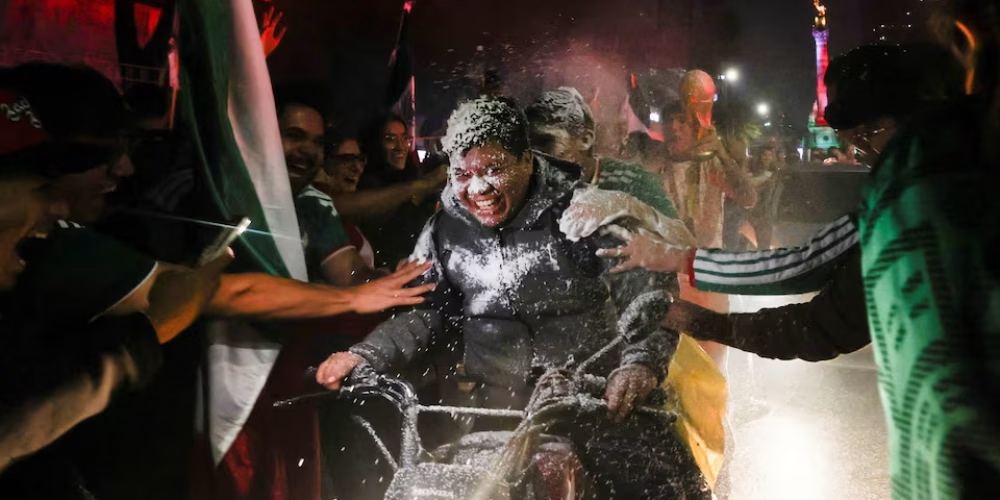
Following an overwhelming influx of local and international football fans, Mexico City municipal authorities have announced immediate plans to curb public intoxication and unpermitted outdoor alcohol consumption. The decision comes after a series of massive street parties celebrating major tournament victories stretched public services and local law enforcement to their absolute limits. City administrators are now moving swiftly to implement structured guidelines to prevent public safety hazards while preserving the celebratory spirit of the global tournament.
What You Need to Know
Mexico City has long been celebrated as one of the premier cultural and sporting hubs of North America, boasting iconic venues like the Estadio Azteca and historic public spaces like the Zócalo plaza. As a key host city for the highly anticipated 2026 international soccer tournament, the metropolis prepared for months to welcome hundreds of thousands of global travelers. However, the sheer volume of visitors, combined with the intense passion of local supporters, has generated street gatherings of an unprecedented scale, transforming entire commercial corridors into open-air festivals.
While these gatherings have generated substantial economic revenue for local businesses and highlighted the city’s infectious enthusiasm for the sport, they have also exposed vulnerabilities in urban management. Major thoroughfares have experienced severe traffic gridlock, sanitation crews have faced monumental challenges clearing debris, and residents in central neighborhoods have raised growing concerns regarding noise levels and disorderly conduct. The widespread availability of alcoholic beverages from informal street vendors has further exacerbated these issues, prompting an official policy intervention.
Historically, major sporting events in Latin America have involved a certain degree of public leniency regarding outdoor celebrations. However, the unique scale of a modern multi-nation tournament requires heightened coordination to ensure infrastructural stability. Law enforcement agencies noted that while the vast majority of celebrations remained peaceful, the proliferation of large, unregulated drinking zones in residential and commercial districts created an environment ripe for structural accidents and crowd control complications.
Managing Public Space and Fan Behavior During a Global Tournament
The newly proposed regulatory framework focuses heavily on identifying and dismantling unauthorized hubs of alcohol sales, colloquially known as “chelerías,” which frequently pop up on sidewalks and outside residential garages during match days. Municipal inspectors, backed by additional deployments of civil security forces, will conduct routine patrols through popular fan zones and nightlife districts like Roma, Condesa, and the historic center. The objective is not to discourage celebration, but to redirect drinking activities into licensed venues and designated official fan festivals.
Local businesses, including restaurants, bars, and authorized hospitality tents, are being urged to strictly adhere to capacity limits and prevent patrons from carrying open containers out into public walkways. Establishments found violating these ordinances or serving alcohol past permitted hours face substantial financial penalties or temporary closures. City officials have emphasized that these steps are vital to maintaining a safe environment for families and international tourists who are navigating the bustling metropolis between match fixtures.
To mitigate the impact on fans, the city is expanding the infrastructure of official viewing areas, where security personnel can monitor alcohol consumption, manage crowd density, and ensure rapid access for emergency medical services. These regulated spaces are equipped with large screens, sanitation facilities, and authorized vendors, offering an alternative to impromptu street parties. By funneling the celebratory energy into controlled environments, urban planners hope to alleviate the burden on residential neighborhoods and maintain essential transport links.
The response from the local business community has been mixed, with some street vendors expressing concern over the loss of vital match-day income, while established restaurateurs have welcomed the measures as a means to ensure fair competition and patron safety. Neighborhood associations have largely voiced strong support for the crackdown, citing the need to restore civic order and protect public property from the wear and tear of continuous, unmanaged street festivals.
Why This Matters
The regulatory shift in Mexico City carries profound implications for international travelers, particularly American sports fans who have journeyed south of the border to experience the tournament’s unique atmosphere. Visitors must familiarize themselves with local public consumption laws to avoid fines, legal detours, or confrontations with local law enforcement. Understanding the boundaries of acceptable celebration is crucial for ensuring a smooth and enjoyable travel experience during a high-profile international trip.
On a broader scale, this situation serves as an important precedent for major urban centers worldwide that aspire to host mega-sporting events. The logistical realities of managing millions of passionate fans require agile governance and proactive urban planning. The success or failure of Mexico City’s strategy will likely influence how future host cities in the United States, Canada, and Europe structure their public safety policies, fan zone operations, and municipal ordinances during global athletic celebrations.
NCN Analysis
Mexico City’s decision to tighten regulations highlights the complex challenges that modern mega-cities face when balancing global tourism opportunities with local civic administration. While the economic windfall of hosting matches is undeniable, the physical toll on urban infrastructure and the strain on public safety personnel require clear boundaries. By cracking down on unregulated street drinking, administration officials are attempting to safeguard the city’s international reputation, ensuring that headlines focus on sporting excellence rather than municipal disorder.
Looking forward, readers should watch how effectively these measures are enforced as the tournament progresses into the high-stakes knockout rounds. Maintaining strict compliance during peak celebration periods will require sustained cooperation between small business owners, corporate sponsors, and municipal police forces. If successful, Mexico City will demonstrate that it can host the world’s largest sporting party while preserving the safety, accessibility, and integrity of its historic urban landscape.
Enforcing structured boundaries around public celebrations ensures that major sporting events remain safe, sustainable, and enjoyable for residents and global travelers alike.
Reported by the NCN Editorial Team









