

KEY POINTS
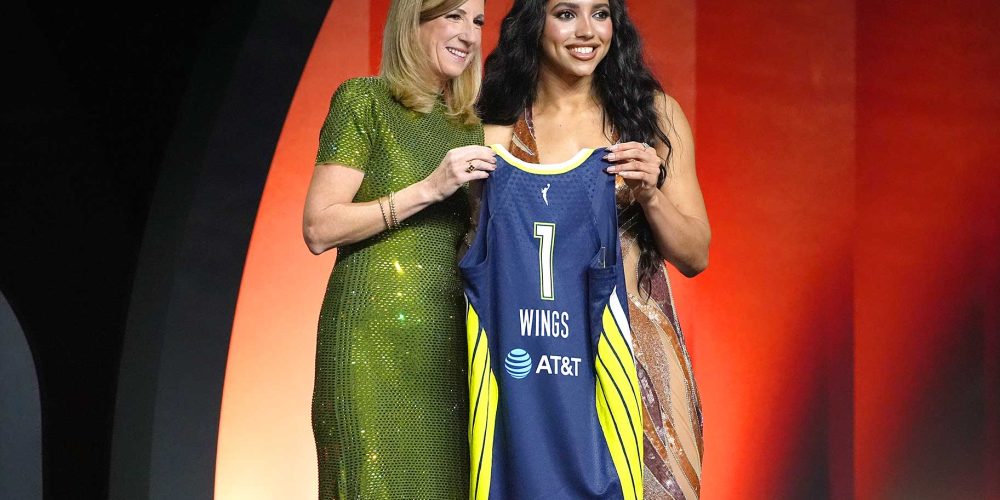
- The 2026 WNBA Draft recorded its second-highest viewership in history, drawing a massive 1.5 million viewers.
- Audience engagement reflects the sustained “Caitlin Clark effect” and the rising popularity of women’s professional sports.
- National broadcasts continue to see record-breaking numbers as a new generation of stars enters the league.
The WNBA has once again proven its immense growth potential, with the 2026 Draft becoming the second most-watched selection show in the league’s 30-year history. Drawing an average of 1.5 million viewers, the event highlights a seismic shift in the American sports landscape, where women’s basketball is now a primary attraction for national audiences. For sports fans in the United States and global observers, these figures confirm that the league’s recent boom was not a fleeting moment but the start of a permanent new era.
What You Need to Know
The surge in viewership follows a landmark year for the league, which saw unprecedented interest sparked by the arrival of generational talents like Caitlin Clark in 2024. While the 2024 draft remains the all-time record holder, the 2026 numbers represent a significant 300% increase over the pre-2024 averages. This suggests that the league has successfully converted casual observers into a loyal, consistent fan base that is eager to see how new collegiate stars will transition to the professional ranks.
The 2026 draft class featured several high-profile names from the collegiate circuit, including standout prospects who led their teams to deep runs in the NCAA tournament. The ability of the WNBA to market these individual stories has been a key driver of its commercial success. By focusing on the rivalries and personal journeys of the athletes, the league has created a compelling narrative that resonates with both younger demographics and traditional sports enthusiasts who appreciate high-level technical play.
From a business perspective, these viewership milestones are vital as the league prepares for upcoming media rights negotiations. Higher ratings translate directly into increased leverage with broadcasting partners and sponsors. Major brands are increasingly pivoting their marketing budgets toward women’s sports, recognizing the high engagement levels and the positive social impact associated with supporting female athletes. The 2026 draft serves as a powerful data point for the league’s economic viability and its role as a leader in the sports entertainment industry.
The Cultural Momentum of Women’s Basketball
The broadcast, which aired during prime time, peaked at over 1.8 million viewers during the first five picks. This concentration of interest underscores the importance of the “lottery” system and the hope that a single player can transform a franchise’s fortunes. The Los Angeles Sparks and the Chicago Sky were among the teams that saw the most social media engagement during the event, as they secured top-tier talent expected to make an immediate impact on the court this summer.
Industry analysts point to the “star power” of the incoming rookies as the primary reason for the ratings success. Unlike previous decades where women’s collegiate stars would often fade from the national spotlight after graduation, the current ecosystem of social media and NIL (Name, Image, and Likeness) deals ensures that players enter the WNBA with established personal brands. This built-in audience follows the players from the NCAA to the pros, providing a seamless transition for viewership numbers.
The league has also made strategic efforts to improve the accessibility of its content. By partnering with major networks and streaming platforms, the WNBA has ensured that the draft and regular-season games are available to a broader audience than ever before. The 2026 draft benefited from a “shoulder programming” strategy, where analysis and highlight reels were shared across digital platforms hours before the first pick was announced, building anticipation and driving live tune-ins.
Furthermore, the diversity of the 2026 class has been a point of pride for the league. Featuring athletes from various backgrounds and international locations, the draft reflected the global nature of the sport. This inclusivity has helped the WNBA tap into international markets, particularly in Europe and Canada, where interest in women’s basketball has seen a parallel rise. The 2026 figures are a testament to the league’s ability to tell a global story that starts on American soil.
Why This Matters
For American consumers and businesses, the rise of the WNBA is a clear indicator of changing cultural priorities. Women’s sports are no longer viewed as a “niche” market but as a mainstream powerhouse capable of outperforming traditional men’s professional leagues in certain time slots. For advertisers, this presents a unique opportunity to reach a highly engaged, diverse audience that values authenticity and social progress. The growth of the WNBA is also a catalyst for investment in youth sports, as more girls see professional basketball as a viable and celebrated career path.
Globally, the WNBA’s success serves as a blueprint for other women’s professional leagues. By prioritizing player personalities, digital accessibility, and long-term brand building, the WNBA has created a sustainable model for growth. International leagues in sports like soccer and volleyball are looking at these viewership numbers as proof that there is a massive, untapped market for women’s athletic excellence. The 2026 draft isn’t just a win for basketball; it’s a win for the visibility of female professionals everywhere.
NCN Analysis
The 1.5 million viewers recorded for the 2026 draft is arguably more impressive than the record-breaking 2024 figures. While 2024 was fueled by the “lightning in a bottle” phenomenon of a specific superstar, 2026 proves that the audience stayed. This “stickiness” is what every sports executive dreams of. It indicates that the WNBA has successfully built an infrastructure that supports multiple stars, rather than relying on a single individual to carry the entire league’s marketing weight.
Looking forward, we expect the upcoming season to set new records for attendance and jersey sales. The influx of talent from this draft class will likely lead to a more competitive league, as the “gap” between the top-seeded teams and the rest of the field continues to shrink. Readers should watch for how the league handles its next expansion phase, as these viewership numbers provide the perfect justification for adding new teams in cities like Toronto, Portland, or Denver. The momentum is undeniable, and the WNBA is currently the most exciting growth story in professional sports.
The WNBA has transitioned from a league of potential to a league of proven, massive-scale performance.
Reported by the NCN Editorial Team









