

KEY POINTS
- Researchers found that intensive lowering of LDL cholesterol levels prevents more cardiovascular events than standard care.
- Patients reaching ultra-low cholesterol targets experienced a notable decrease in strokes and repeat cardiac incidents.
- The findings suggest current clinical guidelines may need adjustments to prioritize more stringent cholesterol management.
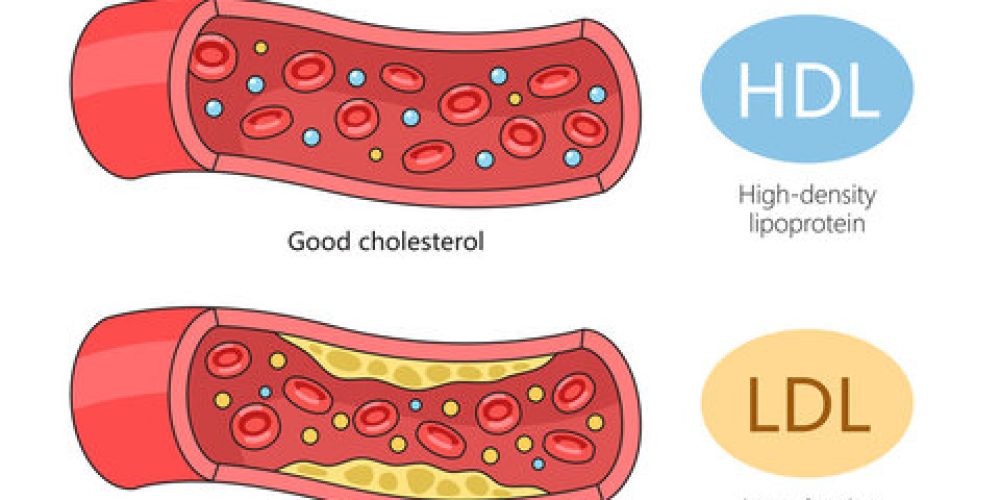
Recent medical research has highlighted a major breakthrough in heart disease management. Scientists conducted an extensive review of patient data regarding cholesterol levels. The study focused specifically on low-density lipoprotein, commonly known as LDL or bad cholesterol.
The results show that intensive efforts to lower LDL provide superior protection for the heart. Participants who achieved the lowest cholesterol levels saw the greatest health benefits. These individuals experienced fewer heart attacks compared to those following traditional treatment plans.
Standard care often aims for a moderate reduction in cholesterol. However, this new data suggests that moderate goals may not be sufficient for high-risk patients. Aggressive intervention led to a significant drop in secondary cardiovascular events.
Researchers monitored thousands of individuals who previously suffered from heart-related issues. They compared various medication dosages and treatment combinations. The data revealed a clear link between lower LDL numbers and increased survival rates.
The study also tracked the frequency of strokes among the participants. Those in the intensive treatment group showed a lower incidence of brain-related vascular issues. This suggests that aggressive cholesterol management protects the entire vascular system.
Medical professionals believe these findings could change how doctors prescribe statins. High-potency medications appear to offer more substantial long-term advantages. Patients tolerated the more intensive regimens well during the observation period.
Current guidelines often set a specific numerical target for LDL levels. This study indicates that even lower targets might be safer and more effective. Experts now advocate for a “lower is better” approach to heart health.
The implications for public health are significant. Heart disease remains a leading cause of death globally. Improving cholesterol management could save thousands of lives each year. It may also reduce the immense financial burden on healthcare systems.
Clinicians are now reviewing these results to update their daily practices. They emphasize that every point of reduction in LDL counts toward better outcomes. Consistent monitoring remains essential for maintaining these heart-healthy levels.
Patients should consult with their healthcare providers before changing their medication. The study reinforces the importance of personalized care in treating chronic conditions. Lifestyle changes also play a supportive role alongside medical therapies.
Future research will likely explore the long-term effects of ultra-low cholesterol. Scientists want to ensure that these levels remain safe over several decades. For now, the evidence strongly supports more active management of bad cholesterol.









