

KEY POINTS
- Arctic sea ice tied its lowest recorded winter maximum in March 2026.
- Extreme March temperatures across Asia and North America shattered thousands of records.
- Scientists warn the lack of ice cover will accelerate ocean warming this summer.
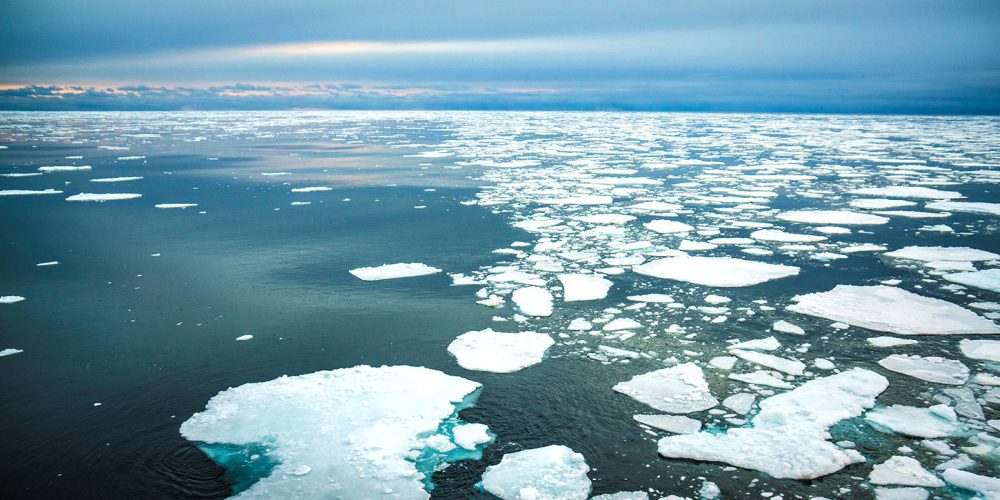
The Arctic Ocean reached its peak ice cover for the year on March 15, 2026. Data from the National Snow and Ice Data Center shows the ice extended across 5.52 million square miles. This measurement represents a statistical tie with the record low set in 2025. This trend marks the smallest winter ice shield in nearly five alive decades of satellite tracking.+3
The seasonal maximum occurs when the ice stops growing and begins its annual melt. Reaching such a low peak suggests the ice is thinner and more fragile than usual. Experts note the current ice extent is about 525,000 square miles below the long-term average. This missing area is roughly equivalent to twice the size of Texas.+2
Unprecedented global heat drove this lack of ice growth during the winter months. Climatologists described the recent March as the most extreme heat event in recorded history. Thousands of temperature records fell across multiple continents during the last several weeks. Some regions in Asia saw temperatures nearly 35 degrees Celsius above normal levels.+2
In the United States, sixteen states broke monthly heat records during the same period. Dozens of locations experienced temperatures that surpassed previous highs for the month of April. This extreme warmth extended into Mexico, Australia, Northern Africa, and parts of Europe. Such high temperatures prevent the sea surface from freezing as deeply as necessary.+2
The loss of sea ice creates a dangerous feedback loop for the planet. White ice reflects the majority of sunlight back into space, acting as a global cooler. When the ice disappears, the dark open ocean absorbs that solar energy instead. This process causes sea surface temperatures to rise even faster.+1
Warmer oceans then make it harder for ice to form during the following winter. Scientists refer to the Arctic as the refrigerator of the Earth. A weakening of this system can disrupt weather patterns far beyond the polar regions. Some researchers believe these changes contribute to more frequent and intense storms globally.+2
Wildlife populations also face significant challenges due to the shrinking ice pack. Polar bears and seals rely on stable sea ice for hunting and raising their young. The early start to the melt season reduces the time these animals have to hunt. This creates additional stress on species already struggling with a changing environment.+1
The low winter maximum gives the spring and summer melt season a significant head start. While weather in the coming months will determine the final summer minimum, the starting point is concerning. A thin and limited ice pack is far more vulnerable to summer storms and warm winds.
Geopolitical implications are also rising as the ice recedes from once-inaccessible areas. New shipping routes are opening in the high north as traditional barriers vanish. This shift makes regions like Greenland more desirable for commercial and strategic interests.
International climate agencies continue to monitor the situation as the summer melt begins. The steady decline of Arctic ice remains one of the clearest signals of global warming. Addressing the root causes of these temperature spikes is essential for stabilizing the polar regions.









