

KEY POINTS
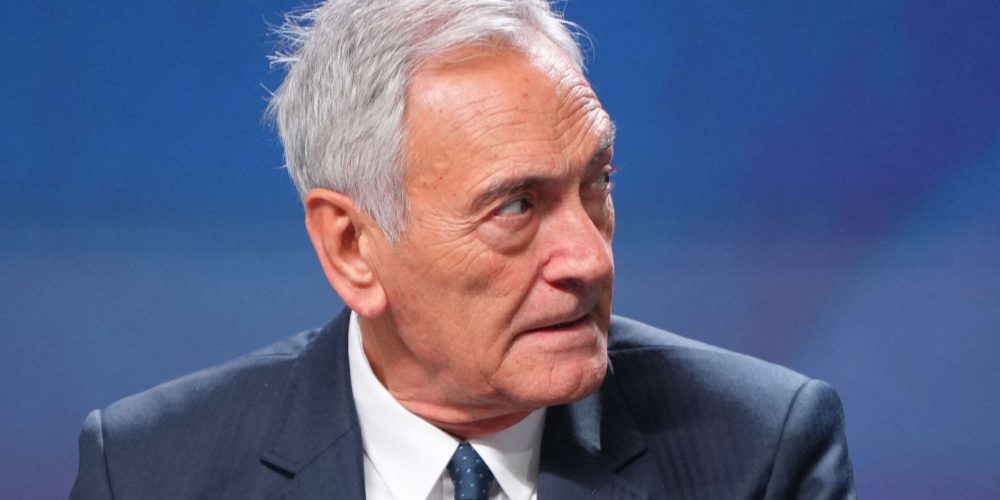
- FIGC President Gabriele Gravina stepped down following Italy’s third consecutive failure to reach the World Cup.
- Legendary goalkeeper Gianluigi Buffon also resigned from his role as the national team’s delegation chief.
- An extraordinary assembly is scheduled for June 22 to elect new leadership for the federation.
The Italian football landscape faces a massive leadership vacuum after the national federation’s top official resigned. Gabriele Gravina, who led the FIGC since 2018, announced his departure during a meeting in Rome on Thursday. His decision follows a devastating playoff defeat that ended Italy’s hopes for the 2026 World Cup.
Pressure from the Italian government played a significant role in this sudden administrative shift. Sports Minister Andrea Abodi publicly called for a complete overhaul of the sport’s governing body earlier this week. He described the recent loss as a definitive sign that the system needs rebuilding from the ground up.
The Azzurri lost to Bosnia and Herzegovina in a tense penalty shootout during the qualifying playoffs. This defeat ensures that the four-time world champions will miss their third straight tournament in North America. Italy has not appeared on the global stage since the 2014 event held in Brazil.
Gravina’s tenure was marked by extreme highs and lows for the national squad. He oversaw the emotional European Championship victory in 2021, which briefly restored faith in the program. However, that success was sandwiched between two separate failures to qualify for the World Cup finals.
The administrative exodus continued as Gianluigi Buffon also announced his immediate resignation. The former world-class goalkeeper served as the delegation chief for the men’s senior team. Buffon stated that a new leadership group should have the freedom to choose their own staff members.
Speculation is now mounting regarding the future of head coach Gennaro Gattuso. While his contract remains active, many analysts believe the federation will seek a fresh start on the sidelines. Names like Antonio Conte and Massimiliano Allegri have already surfaced as potential candidates for the position.
The FIGC has scheduled an extraordinary assembly for June 22 to determine the next president. This new leader will inherit a program in deep crisis and aging infrastructure. Italy is currently preparing to co-host the 2032 European Championship alongside Turkey.
UEFA officials have expressed concern over the state of Italian stadiums and development pathways. They warned that significant investment is required to meet international hosting standards. The incoming president must balance these long-term projects with the immediate need for results on the pitch.
In the meantime, Gravina may remain in his role as a UEFA vice president for now. He was re-elected to that international position last year with a term lasting until 2027. His domestic exit, however, signals the end of an era for Italian football governance.
The search for a successor will likely dominate the sports headlines in Italy for months. Fans and politicians alike are demanding a transparent process to restore the nation’s footballing reputation. For now, the focus remains on diagnosing the systemic issues that led to this historic decline.









