

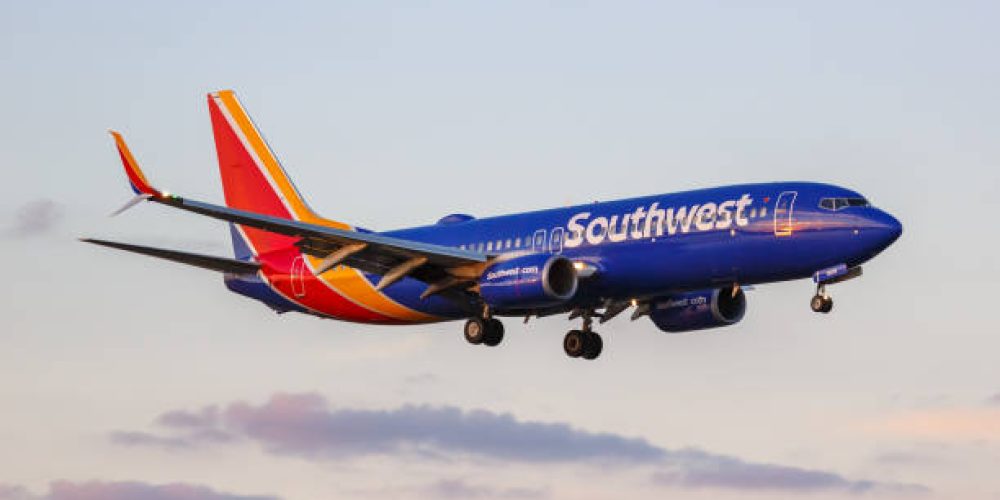
Southwest Airlines is making a significant comeback in the eyes of financial analysts and market investors. The carrier recently saw its stock price climb following a series of strategic business updates. This positive momentum comes after a turbulent period of internal pressure and changing market demands. Wall Street is now showing renewed confidence in the airline’s ability to generate higher profits in the coming year.
A major driver of this optimism is the company’s shift away from its traditional operational model. For decades, Southwest famously offered open seating and limited cabin tiers. However, management recently announced plans to introduce assigned seating and premium cabin options. These changes represent a fundamental transformation for the brand. Investors believe these new features will attract higher-paying travelers who previously chose legacy carriers.
The airline is also focusing on more efficient scheduling and route management. They are cutting under performing flights to focus on high-demand markets. This move helps reduce fuel costs and maximizes the revenue earned from every takeoff. Financial experts predict these adjustments will lead to a healthier balance sheet. The carrier aims to recover its reputation as a top performer in the competitive aviation sector.
Labor relations also play a critical role in the company’s current trajectory. Recent contract agreements with pilots and flight attendants have provided much-needed stability. While these deals increase short-term costs, they prevent the threat of disruptive strikes. A reliable workforce ensures that the airline can maintain its busy holiday and summer schedules. Analysts view this labor peace as a vital component of long-term growth.
Furthermore, Southwest is modernizing its fleet with newer, more fuel-efficient aircraft. These planes allow the company to fly longer distances while using less energy. Reducing environmental impact is becoming a priority for both regulators and shareholders. The new technology also enhances the overall passenger experience with better cabin features. This fleet renewal program is a cornerstone of the airline’s multi-year recovery plan.
The broader airline industry continues to face challenges like fluctuating oil prices and air traffic congestion. However, Southwest appears better positioned than many of its low-cost rivals. Their strong domestic network provides a solid foundation during economic uncertainty. Management remains committed to returning value to shareholders through dividends and buybacks.
The road ahead is not without obstacles, but the current sentiment is undeniably bullish. Travelers are looking for reliability and comfort, while investors demand consistent returns. Southwest is attempting to satisfy both groups with its bold new direction. If the execution remains sharp, the airline could redefine its place in the modern travel market.









