

KEY POINTS
- National Health Service executives claim the latest walkout by resident doctors causes maximum disruption to patient care.
- The 48-hour strike marks a significant escalation in the ongoing dispute over pay and working conditions.
- Thousands of elective surgeries and outpatient appointments face cancellation across England during the industrial action.
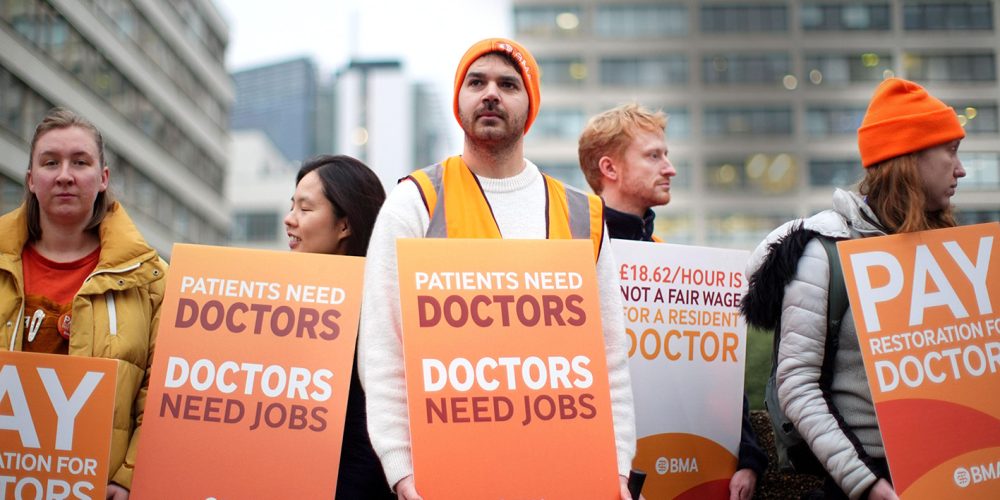
Hospital leaders in England have expressed deep concern over the timing and impact of the latest industrial action. National Health Service bosses warned that the current strike by resident doctors is designed to cause maximum harm. This assessment follows the start of a fresh 48-hour walkout that has paralyzed many routine medical services.
The British Medical Association initiated this round of strikes after negotiations with the government failed to reach a resolution. Resident doctors are demanding a significant pay increase to account for years of inflation and rising living costs. They argue that stagnant wages are driving talented medical professionals away from the public health system.
NHS Providers, the membership organization for health trusts, noted that this strike is particularly difficult to manage. Unlike previous actions, this walkout coincides with a period of exceptionally high demand for emergency and urgent care services. Hospital managers must now prioritize life-saving treatments while deferring thousands of elective procedures.
The scale of the disruption is expected to be vast across all major regions of the country. Health officials estimate that over 100,000 appointments and operations will be postponed due to the staffing shortages. Patients facing long waits for cancer treatments or joint replacements are among those most affected by the delays.
Government ministers have criticized the strike as unnecessary and damaging to the post-pandemic recovery of the health service. They maintain that the current pay offer is fair and sustainable within the existing national budget constraints. However, union leaders insist that the offer does not go far enough to address the recruitment crisis.
The industrial action has forced many hospitals to declare critical incidents to maintain basic safety standards. Senior consultants have been drafted in to cover the shifts usually handled by the striking resident doctors. While this ensures emergency coverage, it further depletes the resources available for routine healthcare needs.
Public support for the striking doctors remains a point of intense national debate. Some citizens sympathize with the demand for better pay, while others worry about the immediate impact on their own healthcare. This polarizing atmosphere adds further pressure on both the government and the medical unions to find a compromise.
NHS bosses are calling for an immediate return to the negotiating table to prevent future walkouts. They warn that the cumulative effect of repeated strikes is eroding the morale of the entire healthcare workforce. Long-term stability in the health service depends on a mutually acceptable agreement regarding compensation and retention.
The current strike is scheduled to end on Saturday morning, but further actions remain a possibility if no progress is made. Health trusts are already planning for the logistical challenges of rescheduling the thousands of cancelled appointments. This process often takes weeks to complete and adds to the existing record-high backlogs.
As the standoff continues, the primary concern remains the safety and well-being of the British public. Every hour of industrial action adds to the strain on an already overstretched public health infrastructure. Both sides face increasing calls to prioritize patient care over political and economic disagreements.









