

KEY POINTS
- The United States Navy launched a fleet of autonomous surface vessels to monitor sensitive maritime corridors.
- These uncrewed drone boats utilize artificial intelligence to identify and track potential threats in real time.
- Military officials stated the deployment aims to provide persistent surveillance without risking American sailors.
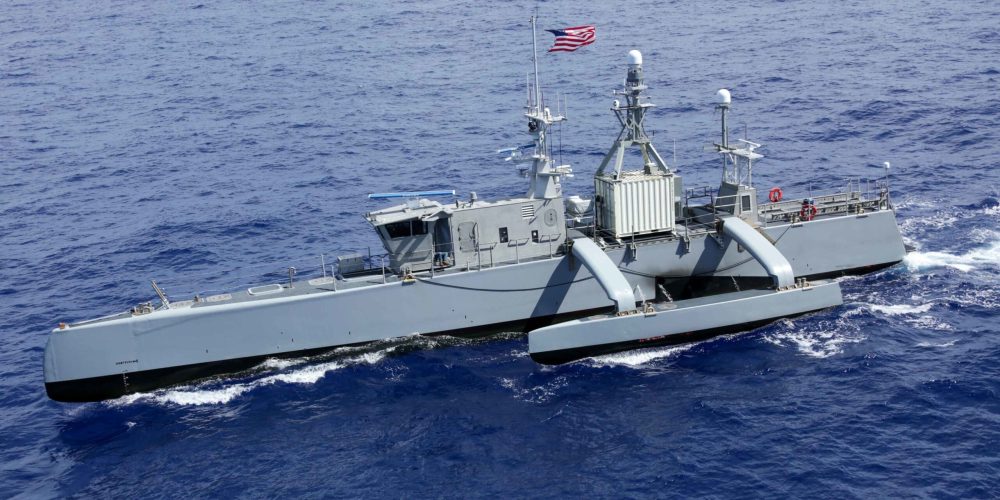
The United States Navy has officially deployed a new fleet of uncrewed drone boats to the Middle East. This strategic move aims to bolster maritime security during ongoing tensions with Iranian forces. These autonomous surface vessels represent the latest advancement in naval warfare and remote surveillance technology.
The deployment focuses on critical waterways like the Strait of Hormuz and the Persian Gulf. These areas frequently experience high-stakes encounters between Western vessels and regional military forces. By using uncrewed boats, the Navy can maintain a constant presence in these contested zones.
These drone boats operate using sophisticated artificial intelligence and integrated sensor arrays. They can navigate complex maritime environments while identifying and tracking multiple targets simultaneously. This data transmits instantly to command centers located hundreds of miles away from the theater.
Navy commanders emphasized that these vessels provide a cost-effective alternative to traditional manned destroyers. Small, autonomous boats are significantly harder for enemy radar systems to detect and target. They can also remain at sea for extended periods without requiring port visits for crew rotations.
The uncrewed fleet acts as a force multiplier for existing carrier strike groups in the region. These drones can scout ahead of larger ships to detect underwater mines or incoming fast-attack craft. This early warning system significantly reduces the response time for American defensive batteries.
Military officials clarified that these boats currently function primarily in a surveillance and reconnaissance role. However, the technology allows for future modules that could include various defensive weapon systems. For now, the focus remains on gathering intelligence and preventing accidental military escalations.
The Iranian government has previously expressed opposition to the presence of foreign autonomous systems in local waters. Tehran views these deployments as a direct threat to its territorial sovereignty and regional influence. Past incidents involved Iranian forces attempting to capture or disrupt similar American drone vessels.
The US Navy plans to expand this program to include dozens of additional uncrewed units by next year. This initiative reflects a broader shift toward a hybrid fleet consisting of both manned and robotic platforms. Defense analysts believe this strategy is essential for maintaining global maritime dominance.
Allies in the region have reportedly welcomed the deployment as a means to stabilize international shipping. Many commercial vessels rely on these protected lanes for the transport of global oil and gas supplies. Any disruption in these corridors could lead to a massive spike in worldwide energy prices.
This deployment signals a long-term commitment to utilizing robotic technology for national security. The Navy continues to refine the software and communication protocols that manage these autonomous assets. For the United States, the future of naval power lies in the seamless integration of human and machine.









