

KEY POINTS
- Chancellor Rachel Reeves officially ruled out a universal energy bill support package, labeling previous “blanket” schemes as irresponsible.
- New contingency plans focus on providing data-driven, targeted assistance to low-income and vulnerable households if prices spike.
- The government is prioritizing long-term energy security and cracking down on corporate price gouging amid the ongoing Iran conflict.
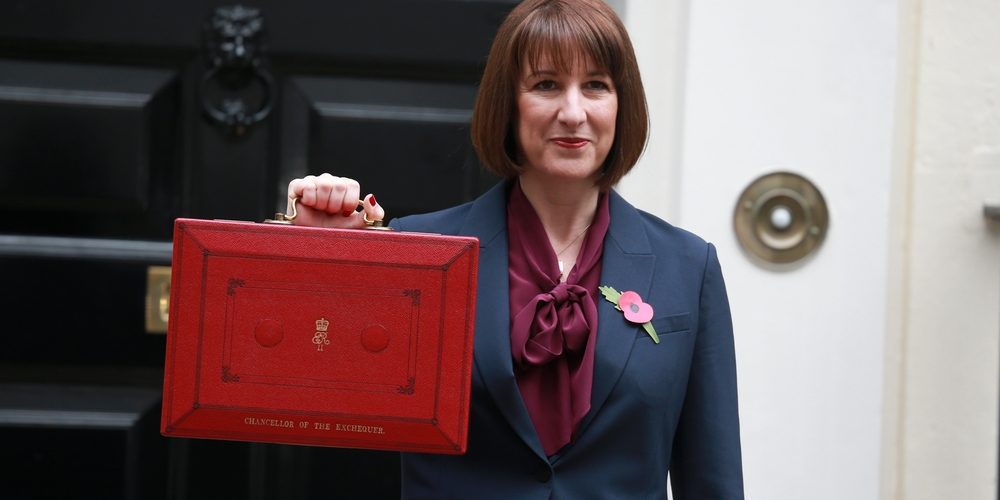
Chancellor Rachel Reeves has confirmed that the UK government will not implement a universal energy bill support scheme to combat rising costs. Addressing the House of Commons on Tuesday, Reeves distanced the current administration from the “unfunded” and “untargeted” policies of the past. She specifically criticized the 2022 energy bailout for providing significant financial aid to the wealthiest households while increasing national debt.
The Chancellor emphasized that any future financial intervention must remain within “iron-clad” fiscal rules to prevent further inflation. Instead of a broad subsidy for all consumers, the Treasury is developing a more surgical approach to relief. Reeves revealed that the government now has access to more sophisticated data to identify and support those in the most urgent need. This targeted strategy aims to assist low-income families and fuel-poor households without the massive price tag of a universal program.
Current contingency planning is specifically addressing the economic fallout from the escalating conflict in the Middle East. While wholesale prices have seen volatility due to the US-Israel war with Iran, Reeves noted that the immediate focus is on protecting the most exposed groups. This includes households reliant on heating oil, which have already seen costs triple in some regions. The government recently allocated £53 million in emergency support for these specific cases.
Beyond direct financial aid, the government is shifting its strategy toward market regulation and long-term energy independence. Reeves warned retailers and energy firms against “price gouging” or “profiteering” during the current crisis. She signaled that the Competition and Markets Authority (CMA) would be granted additional powers to detect and penalize unjustified price hikes at the pumps and in utility billing.
The Chancellor also highlighted that millions of households are already set to receive a £150 reduction in annual bills starting this April. This measure, introduced in a previous budget, is intended to act as a baseline for relief before the next price cap adjustment in July. By focusing on structural reforms to energy infrastructure, the government hopes to lower costs for all citizens permanently rather than relying on temporary, expensive bailouts.
Political opponents and some charity groups have voiced concerns that a strictly targeted approach may leave middle-income families struggling with high bills. However, Reeves maintained that the state of the public finances leaves no room for the multi-billion pound “blanket” approach used by her predecessors. The government insists that maintaining economic stability is the most effective way to protect all households in the long run.
Looking ahead, the Treasury will continue to monitor the impact of the Middle East crisis on UK growth and inflation. Reeves is expected to provide a further update on fuel pricing and potential duty adjustments within the next month. For now, the message remains clear: support will be reserved for those at the bottom of the income scale, with a heavy emphasis on fiscal responsibility.









