

KEY POINTS
- Meningitis B spreads through respiratory secretions and prolonged close contact between individuals.
- Early symptoms often mimic common illnesses but can progress to life-threatening conditions within hours.
- Vaccination remains the most effective method for preventing the spread of this bacterial infection
Meningitis B represents a serious bacterial infection that targets the protective membranes surrounding the brain and spinal cord. This specific strain belongs to the Neisseria meningitidis family of bacteria. While many people carry these bacteria without getting sick, they can still transmit them to others.
Transmission occurs primarily through the exchange of respiratory and throat secretions. This happens during close or lengthy contact with an infected person. Common activities like kissing, coughing, or sneezing can facilitate the spread of the bacteria.
Living in crowded environments increases the risk of transmission significantly. College dormitories and military barracks often see higher rates of the illness. Sharing personal items like utensils, cigarettes, or drinks also provides a pathway for the infection.
The bacteria do not survive long outside the human body. You cannot catch the illness by simply breathing the air where an infected person previously stood. It requires direct contact with the fluid from the nose or mouth of a carrier.
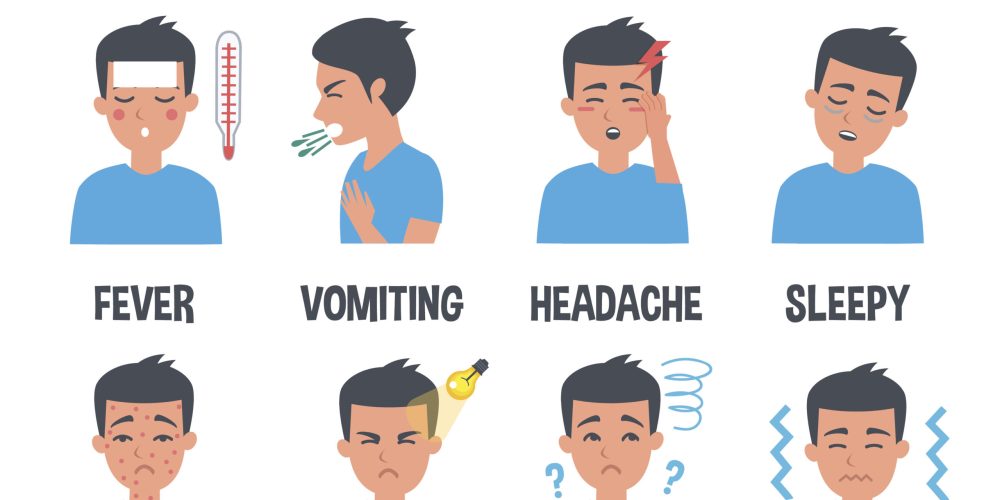
Recognizing the symptoms early is vital for a positive medical outcome. Initial signs often resemble the flu, making the disease difficult to identify at first. Patients frequently experience high fever, headache, and a very stiff neck.
Other common indicators include nausea, vomiting, and an increased sensitivity to bright lights. Some individuals may feel confused or display an altered mental state as the infection progresses. A dark purple or red rash that does not fade under pressure is a late-stage warning sign.
If these symptoms appear, you should seek emergency medical attention immediately. The condition can turn fatal in as little as 24 hours without proper treatment. Early intervention with intravenous antibiotics is the standard protocol for saving lives.
Doctors use several tests to confirm a diagnosis of Meningitis B. A lumbar puncture allows medical teams to check the spinal fluid for the presence of bacteria. Blood cultures and imaging tests also help determine the severity of the swelling.
Preventative measures focus heavily on immunization. Health agencies recommend specific vaccines for teenagers and young adults entering high-risk environments. Keeping up with the recommended schedule offers the best defense against the various strains of the disease.
Maintaining good personal hygiene also helps reduce the risk of infection. Frequent handwashing and avoiding the sharing of personal items are simple but effective strategies. Education regarding how the bacteria spread can help communities contain potential outbreaks.
Public health officials emphasize that even with treatment, some survivors face long-term complications. These can include hearing loss, brain damage, or the loss of limbs due to sepsis. Monitoring for early signs remains the most effective way to prevent these severe consequences.









