

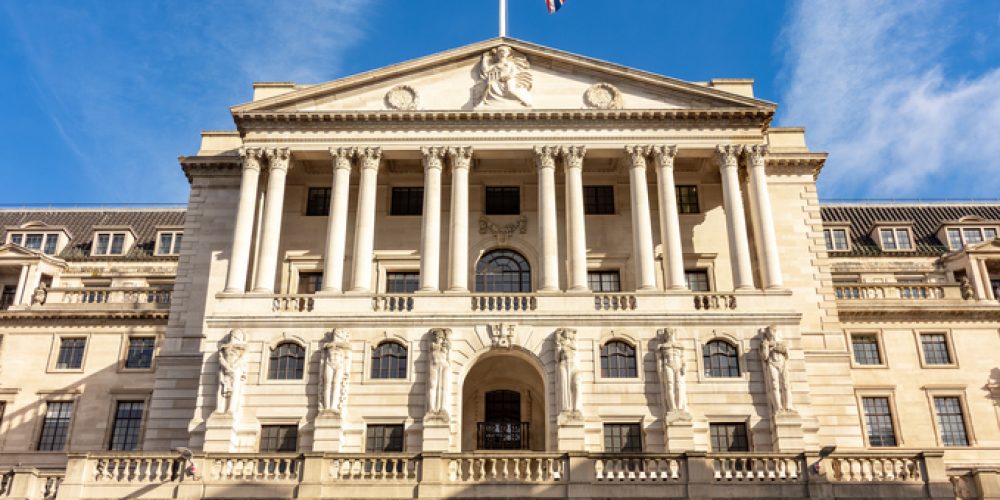
Leading fund managers controlling over $1.5 trillion in assets are pressing the Bank of England (BoE) to pause its bond-selling program, warning that continued gilt sales are worsening market instability and adding billions to taxpayer costs.
The BoE began offloading its £875 billion bond portfolio—built up during years of quantitative easing—but investors say the aggressive unwind is hurting already fragile debt markets. Despite pledging to slow its runoff from £100 billion to £70 billion annually, critics argue the move falls short.
The policy has contributed to the UK’s highest long-term borrowing costs among G7 nations, while taxpayers now face £22 billion ($29.6 billion) a year in losses from bond-market compensation.
Analysts warn the BoE’s approach risks a “fiscal feedback loop,” where falling bond prices raise financing costs and deepen pressure on public finances—just weeks before Finance Minister Rachel Reeves unveils her first budget.









