

KEY POINTS
- Iran fired over 200 ballistic missiles and drones toward Israel in a massive retaliatory escalation.
- Republican lawmakers in the U.S. Senate successfully blocked a Democratic measure to halt American air strikes.
- Israeli air defenses intercepted the majority of the incoming projectiles with help from U.S. and allied forces.
Regional tensions reached a breaking point on Thursday as Iran launched an extensive aerial assault against Israel. The Islamic Republic fired more than 200 ballistic missiles and suicide drones from multiple locations within its borders. This significant escalation follows a week of intense military exchanges that have reshaped the Middle East landscape. Air raid sirens echoed across major Israeli cities as the population sought shelter from the incoming barrage.
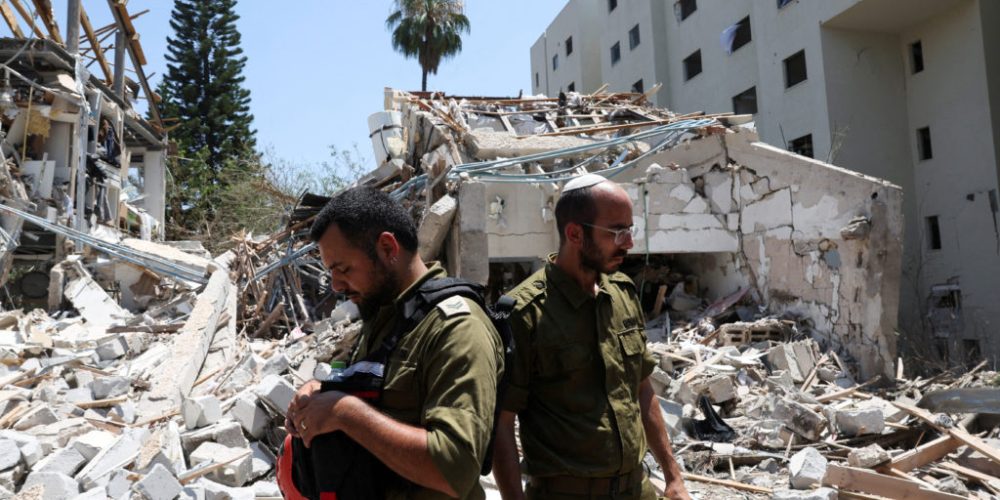
The Israeli military reported that its multilayered defense systems successfully neutralized the vast majority of the threats. U.S. Navy destroyers and allied fighter jets assisted in downing several dozen drones and missiles before they reached their targets. Despite these successful interceptions, some projectiles managed to strike ground targets, causing structural damage in central and southern Israel. Emergency services are currently assessing the impact and checking for any potential civilian casualties.
In Washington, the geopolitical crisis triggered a fierce political battle on Capitol Hill. Republican senators moved quickly to block a legislative attempt by some Democrats to halt ongoing U.S. air operations. The proposed measure aimed to freeze American military funding for strikes against Iranian-backed groups and assets. Critics of the measure argued that withdrawing air support now would leave allies vulnerable and project weakness during a global crisis.
The Republican leadership emphasized that the United States must maintain its military posture to deter further Iranian aggression. They successfully argued that the current offensive is necessary to protect American personnel and regional stability. This legislative victory ensures that the Pentagon can continue its planned aerial campaigns without immediate funding interruptions. The White House has indicated it remains committed to defending its partners through all available military channels.
The Iranian government described the massive missile launch as a “proportionate response” to previous coalition strikes on its soil. Tehran warned that any further retaliation from Israel or its allies would lead to even more severe consequences. International observers expressed deep concern that this cycle of strikes is pushing the region toward a full-scale war. Diplomatic efforts at the United Nations have so far failed to produce a ceasefire or a path toward de-escalation.
Global energy markets responded to the news with immediate volatility as traders feared for the safety of shipping lanes. The continued closure of the Strait of Hormuz remains a primary concern for the international community. Several nations have advised their citizens to evacuate the region as the security situation remains highly unpredictable. Military analysts expect the coalition to respond to the latest Iranian barrage with a fresh wave of targeted strikes.









