

KEY POINTS
- Israeli Prime Minister Benjamin Netanyahu anticipates a rapid and decisive conclusion to the war against Iran rather than a protracted multi-year struggle.
- The conflict has escalated to include strikes on Iranian-linked targets in Lebanon and retaliatory drone attacks on American diplomatic and military sites in the Gulf.
- While initial estimates suggested a month-long engagement, leadership now emphasizes achieving specific strategic objectives regarding Iran’s missile and nuclear capabilities.
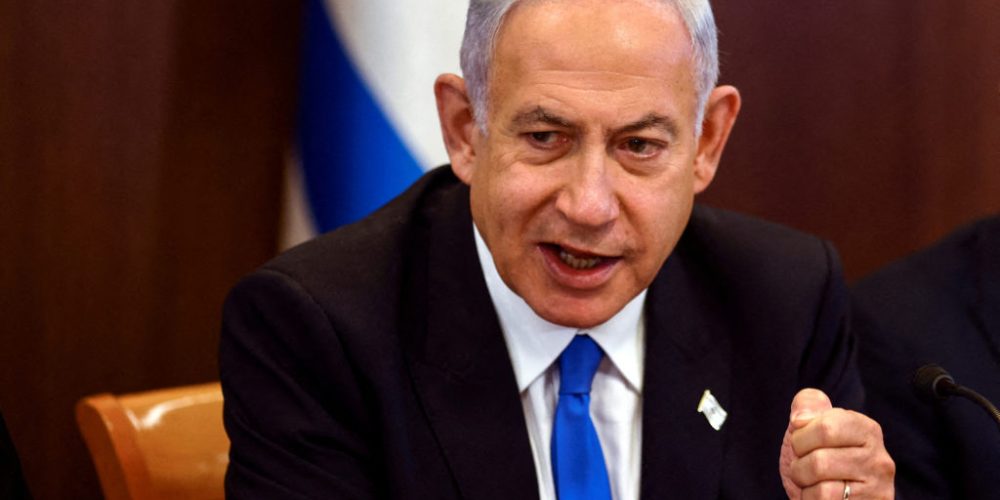
The regional security landscape has shifted dramatically as Israeli Prime Minister Benjamin Netanyahu offered a public assessment of the current military offensive against Iran. Speaking on Monday, the Israeli leader dismissed concerns that the joint operations with the United States would devolve into another “endless war” in the Middle East. Instead, he characterized the campaign as a necessary and potentially quick effort to neutralize long-term threats.
Netanyahu explained that while the mission might require some time to conclude, he does not expect the fighting to last for years. This perspective stands in contrast to previous regional conflicts that spanned decades. The Prime Minister’s comments come at a critical juncture as the war enters its fourth day, marked by intensified aerial exchanges and a widening theater of operations that now includes several neighboring nations.
The conflict initially began with significant air strikes on Tehran, which reportedly resulted in the death of Iran’s Supreme Leader. In the days following those opening salvos, the violence has rippled outward. Israeli forces have conducted strikes against Hezbollah positions in Lebanon, while Iran has responded by targeting Gulf states that house American military installations. This escalation highlights the complex network of alliances and proxy forces that define the current crisis.
On the ground and in the air, the intensity remains high. Air defense systems in Tel Aviv have been active in intercepting incoming missiles, and explosions have been reported near state media facilities in the Iranian capital. Furthermore, diplomatic and military sites in Saudi Arabia and Bahrain have faced drone and missile attacks, illustrating the high stakes for international partners and the global energy market.
U.S. President Donald Trump originally projected that the military campaign would last between four and five weeks. However, more recent statements from Washington suggest a more flexible timeline focused on the total destruction of Iran’s ballistic missile infrastructure and nuclear development sites. U.S. Secretary of State Marco Rubio has echoed this sentiment, warning that the most significant military strikes are still to come.
Despite the heavy reliance on air power, officials from both nations have indicated that a large-scale ground invasion is currently not the primary plan. Israeli military spokespeople suggested that the current scope of the mission is measured in weeks, focusing on “forward defense” and the degradation of enemy assets from a distance. The goal remains to prevent Iran from completing underground bunkers and advanced weaponry that could eventually become immune to conventional strikes.
Domestic reaction to the war has been mixed, with some polling indicating low public support for the offensive within the United States. This adds a layer of political pressure on leadership to deliver the “quick and decisive” victory that Netanyahu has promised. Critics in various international capitals have condemned the violence, while allies continue to weigh the risks of a broader regional entanglement.
The economic impact of the fighting is already being felt globally. Major aviation hubs in the Gulf have faced closures, and shipping through the vital Strait of Hormuz has been severely disrupted. As oil prices rise and transportation networks stall, the pressure for a swift resolution increases. Netanyahu remains firm, however, stating that the current military action is the only path toward creating a new regional order and a lasting peace.









