

KEY POINTS
- The seven-game Western Conference Finals series averaged 10.8 million viewers, cementing it as the most-watched conference finals in 24 years.
- The decisive Game 7 clash averaged a staggering 15.9 million viewers across television and streaming platforms, peaking at 22.2 million.
- This historic ratings surge coincides with the triumphant return of professional basketball to broadcast television networks this postseason.
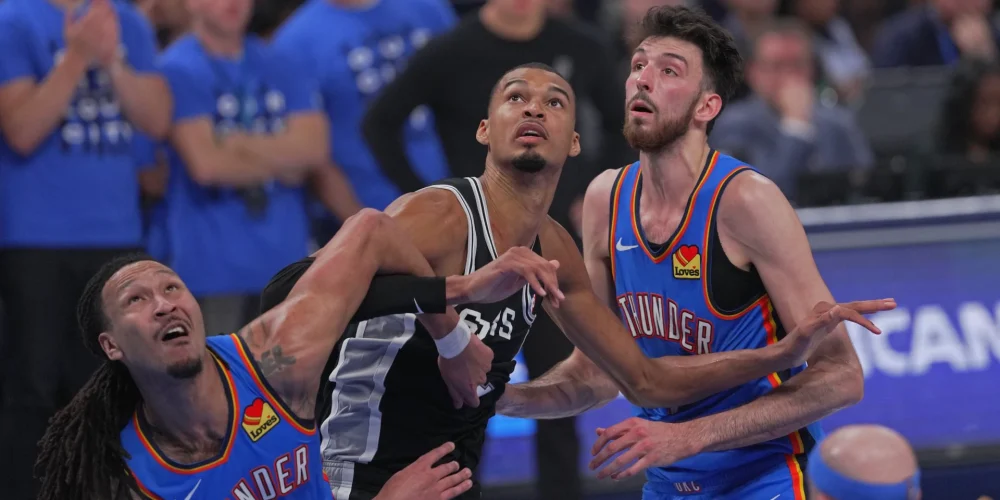
The epic Western Conference Finals showdown between the San Antonio Spurs and the Oklahoma City Thunder has rewritten the modern sports media landscape. The high-stakes, seven-game battle didn’t just deliver a thrilling sports spectacle on the hardwood; it generated a historic ratings bonanza, drawing the largest television and streaming audience for any conference finals series in over two decades.
What You Need to Know
The landscape of American sports media has undergone massive fragmentation over the last twenty years, with cord-cutting and specialized cable packages heavily diluting traditional television ratings. For major sports leagues, securing a massive, unified audience has become an uphill battle, often requiring a perfect storm of generational talent, high-stakes drama, and wide media availability. The league’s multi-tiered broadcast strategy for the current postseason aimed to recapture the broad cultural footprint of the sport’s golden eras.
Historically, the highest-rated playoff series have relied on coastal media markets or deeply entrenched rivalries to move the needle nationwide. However, the modern basketball fan base has proven increasingly eager to rally around unique international icons and draft-built small-market contenders. By positioning marquee playoff rounds on accessible network channels rather than premium cable packages, the sport has tapped into a vast reservoir of casual television viewers who had drifted away from late-night playoff schedules.
This television strategy culminated in an unprecedented viewership boom during the final rounds of the conference playoffs. Audiences across the United States, Europe, and global English-speaking markets tuned in at rates not seen since the turn of the millennium, establishing a new modern benchmark for sports entertainment programming.
Television Ratings Reach Historic Thresholds
According to official metrics compiled by Nielsen Panel data and Adobe Analytics, the entire seven-game series between San Antonio and Oklahoma City averaged an incredible 10.8 million viewers per game. This marking officially crowns the competitive matchup as the most-watched conference finals series since 2002. The ratings surge represents an astonishing 94% increase compared to the Western Conference Finals coverage from the previous season, illustrating a profound revival in public interest.
The viewing audience reached an absolute fever pitch during the definitive Game 7 on Saturday night, where the Spurs eliminated the defending champions with a hard-fought 111-103 victory. The single-game broadcast averaged 15.9 million viewers across linear television and streaming platforms, with traditional broadcast TV accounting for 12.7 million viewers and streaming services capturing an additional 3.2 million. As the thrilling contest entered its final minutes and the championship ticket was secured, the broadcast peaked at an eye-popping 22.2 million simultaneous viewers.
This massive turnout represents the second-largest overall television audience for a professional basketball game since 2019, falling just behind the decisive Game 7 of last year’s championship series. Oklahoma City and San Antonio registered as the top two highest-rated regional markets in the nation, with surrounding regions like Austin and Tulsa rounding out the top metropolitan viewing areas. Overall, postseason media coverage across three rounds experienced a collective 72% viewership spike compared to last year’s calendar.
Why This Matters
For domestic consumers and media executives alike, these historic ratings shatter the long-held industry belief that small-market franchises cannot generate massive national television appeal. The numbers prove that compelling storytelling, elite competitive parity, and highly visible individual stars can command the attention of the American public just as effectively as traditional large-market brands. When given frictionless access to premium matchups without cable subscriptions, the modern consumer will show up in droves.
Furthermore, these metrics vindicate corporate decisions to heavily invest in broadcast sports rights. In an era where scripted television struggles to retain live appointment viewing, live professional sports remain the ultimate prize for advertisers looking to reach millions of adults simultaneously. This massive cultural engagement ensures that professional basketball remains a dominant economic driver within the global entertainment sector.
NCN Analysis
The primary catalyst for this ratings explosion is the global fascination surrounding generational talents executing at the absolute highest level. This series served as a true passing of the torch, highlighting young superstars who are swiftly becoming the definitive faces of international sports culture. The immense audience retention during stressful, late-game situations suggests that casual fans are thoroughly invested in the unfolding narratives of these rising franchises.
Moving forward, expect television networks and league coordinators to permanently adjust their scheduling philosophies to mimic this postseason’s blueprint. The resounding success of keeping high-profile elimination games on prime-time broadcast television provides a perfect launchpad for the upcoming championship series between San Antonio and the red-hot New York Knicks. Media markets are already anticipating that the historic momentum built during the conference rounds will carry over into a deeply competitive, highly lucrative title series.
The modern athletic era has officially secured an elite media footprint capable of rivaling the greatest eras in sports history.
Reported by the NCN Editorial Team









