

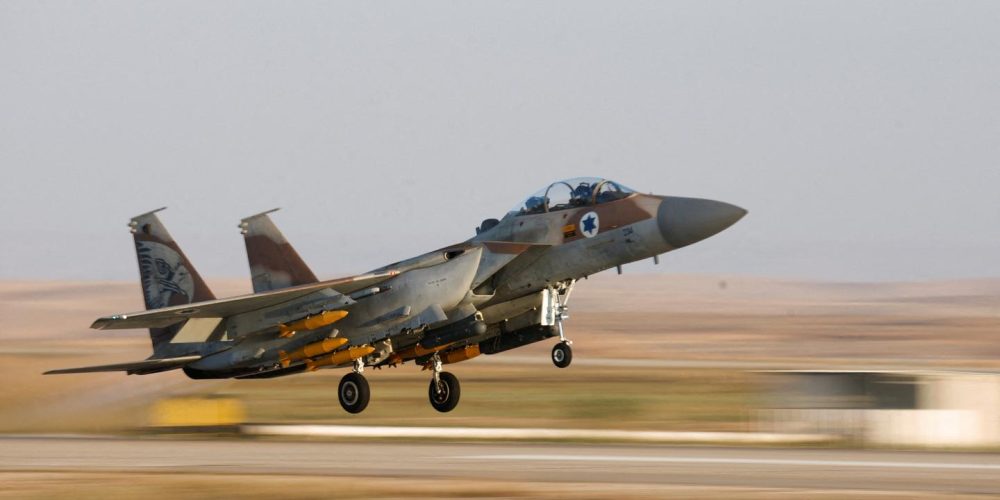
The United States Department of Defense has officially finalized a massive defense contract with Boeing to bolster Israel’s aerial capabilities. This landmark agreement is valued at approximately 8.6 billion dollars. The primary focus of the deal is the production and delivery of advanced F-15 fighter jets. This move represents one of the largest single military aid packages in recent years. It underscores the enduring strategic partnership between Washington and its closest ally in the Middle East.
Under the terms of the contract, Boeing will manufacture 25 state-of-the-art F-15IA aircraft. These jets are a specialized variant of the F-15EX Eagle II, which features the latest electronic warfare systems and advanced sensors. The deal also includes upgrades for Israel’s existing fleet of 25 F-15I models. By modernizing these older airframes, Israel aims to maintain a significant technological edge over regional adversaries. The integration of these new systems will provide enhanced range and increased payload capacity for long-distance missions.
Delivery of the new aircraft is not expected to begin immediately. Industry experts suggest the first units will likely arrive in the late 2020s. This timeline reflects the complex manufacturing process required for such high-tech hardware. Despite the future delivery dates, the announcement sends a strong signal regarding long-term regional security. The Pentagon emphasized that this sale supports American foreign policy goals by maintaining stability in a volatile region.
The funding for this acquisition largely comes from U.S. military aid programs. Specifically, it utilizes the Foreign Military Financing framework established between the two nations. This system allows Israel to purchase American-made defense equipment using grants provided by the U.S. government. Proponents of the deal argue that it supports thousands of manufacturing jobs within the United States. Boeing’s production lines in Missouri are expected to be the primary beneficiaries of this significant capital injection.
However, the timing of the announcement has sparked debate among international observers. Some critics argue that providing advanced weaponry during ongoing regional conflicts could escalate tensions further. Human rights organizations have also raised concerns regarding the use of American-made technology in high-density urban areas. In response, U.S. officials maintain that the F-15 fleet is essential for Israel’s self-defense against sophisticated threats. They point to the rising influence of drone technology and missile systems as a primary justification for the upgrade.
As the aerospace industry moves toward 2026, this contract solidifies Boeing’s position as a dominant player in the global defense market. The deal ensures that the F-15 production line will remain active for another decade. For Israel, the acquisition represents a generational leap in air superiority. These advanced jets will likely serve as the backbone of their air force for the next thirty years. The world will continue to monitor how this major shift in military power influences diplomatic efforts across the globe.









