

KEY POINTS
- Intense cross-border strikes between Hezbollah and Israel have displaced thousands of Lebanese civilians.
- Israeli military operations recently targeted key infrastructure deep within Lebanese territory.
- Diplomatic efforts to broker a ceasefire remain stalled as both sides increase their military presence.
Lebanon faces a critical security crisis as the conflict between Hezbollah and Israel intensifies significantly. Recent exchanges of heavy fire have pushed the nation further into a state of open warfare. Both sides continue to trade devastating blows across the southern border on a daily basis. This escalation has caused widespread panic among local populations caught in the crossfire.
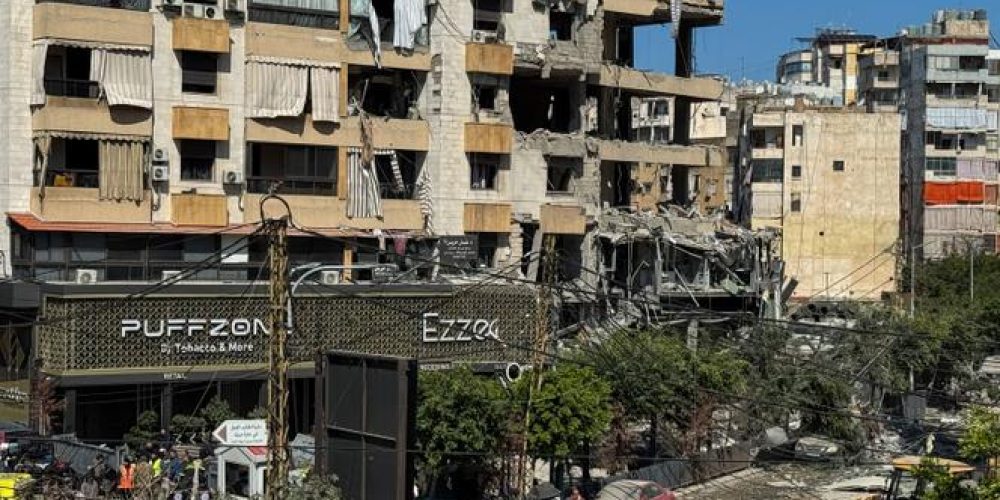
The Israeli military has expanded its range of targets well beyond the immediate border zone. Recent airstrikes hit several logistical hubs and communication centers in eastern Lebanon. Israeli officials claim these actions are necessary to dismantle Hezbollah’s sophisticated rocket launch sites. However, the strikes have also damaged civilian residences and local agricultural fields in the process.
Hezbollah has responded by launching large salvos of drones and missiles into northern Israel. These retaliatory attacks have triggered constant air raid sirens in various Israeli towns and cities. The group maintains that its military campaign will continue as long as regional tensions persist. This cycle of violence shows no signs of slowing down despite international calls for restraint.
The humanitarian toll within Lebanon has reached a breaking point for many rural communities. Over one hundred thousand people have fled their homes to seek safety in Beirut and northern provinces. Many displaced families are now living in overcrowded schools or temporary shelters with limited resources. Local aid organizations warn that they are struggling to provide enough food and medical supplies.
Lebanon’s national infrastructure is also suffering from the continuous bombardment of key transport links. Several bridges and main roads in the south have been destroyed, isolating entire villages. This damage hinders the delivery of essential goods and prevents emergency services from reaching injured civilians. The economic impact of this destruction further weakens an already fragile national economy.
International diplomats are working urgently to prevent the situation from becoming a full-scale regional war. Representatives from the United Nations and various Western powers have called for an immediate cessation of hostilities. However, both Hezbollah and the Israeli government have set strict conditions that remain unfulfilled. The lack of a clear diplomatic path forward has left many citizens feeling hopeless.
The Lebanese government currently lacks the military capacity to intervene or secure its own borders effectively. This leaves the civilian population dependent on the decisions made by non-state actors and foreign militaries. Public frustration is growing as the cost of living spikes due to the ongoing instability. Many fear that the current trajectory will lead to a repeat of past devastating conflicts.
As the fighting enters a more aggressive phase, the risk of a miscalculation remains extremely high. A single major incident could trigger a massive retaliation that neither side can easily contain. The global community remains focused on the border as the threat of wider instability grows. For now, the people of Lebanon remain trapped in an increasingly dangerous and unpredictable environment.









