KEY POINTS
- Major international transit hubs including Dubai, Abu Dhabi, and Doha face intermittent closures and severe operational delays following regional military escalations.
- Global governments have elevated travel warnings to the highest levels, with the U.S. State Department issuing an urgent “depart now” directive for 14 countries.
- Tens of thousands of international passengers remain stranded as airlines scramble to reroute long-haul flights away from active combat zones and closed airspaces.
The landscape of international air travel has been thrown into unprecedented chaos following a rapid military escalation in the Middle East that began in late February. What started as a localized offensive has quickly transformed into a regional crisis, impacting the vital aviation arteries that connect Europe, Asia, and the Americas. For travelers currently in the region or those with upcoming transit plans, the situation remains highly volatile, with safety protocols and flight availability changing by the hour.
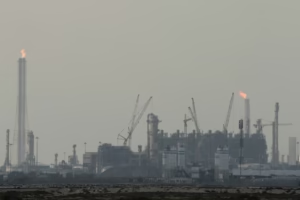
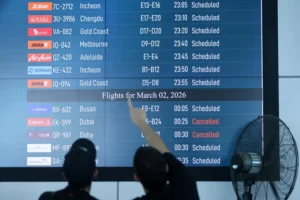
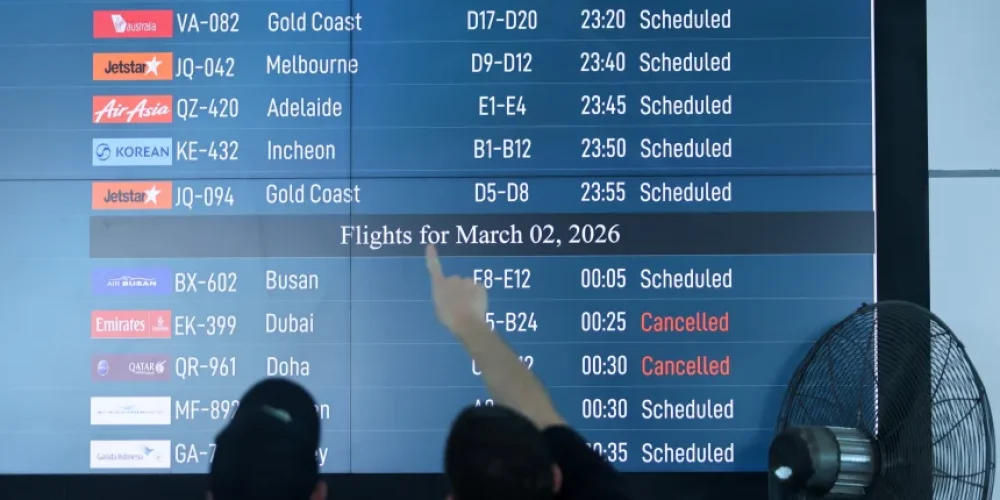
The most significant impact has been felt at the world’s premier transit points. Dubai International Airport, a critical global engine for long-haul travel, faced a total shutdown for three consecutive days due to the presence of drone debris and nearby kinetic activity. While limited operations have recently begun to resume, the backlog of displaced passengers is immense. Similar disruptions have paralyzed Hamad International Airport in Doha and Zayed International Airport in Abu Dhabi. These closures have not only stranded tourists but have also severed essential business and diplomatic links, leading to a massive logistical bottleneck that experts suggest could take weeks to resolve.
In response to the deteriorating security environment, diplomatic agencies across the globe have issued sweeping emergency directives. The U.S. State Department took the rare step of utilizing social media to broadcast a high-priority “depart now” order for American citizens across 14 Middle Eastern nations. This list includes countries like Egypt, which, despite not being directly targeted in the initial strikes, is considered at risk due to the rapidly shifting nature of the conflict. The United Kingdom, Canada, and Australia have mirrored these sentiments, elevating their respective travel advisories to “Do Not Travel” for several jurisdictions and advising immediate commercial departure while options remain available.
The operational reality for airlines has become a nightmare of rerouting and fuel management. With vast sections of airspace over Iran, Iraq, Jordan, and the Gulf officially closed or deemed high-risk, carriers are being forced to fly significantly longer trajectories. These detours often require additional fuel stops and lead to cabin crew timing out, further compounding the frequency of cancellations. While major regional carriers like Emirates and Etihad are attempting to prioritize repatriation efforts, many low-cost and international airlines have suspended services to the region entirely until a stable ceasefire or security guarantee is established.
Travelers currently on the ground face a complex web of “shelter-in-place” orders and evacuation protocols. In nations like Qatar and Kuwait, residents have been advised to stay indoors as local defense systems intercept aerial threats. Meanwhile, Oman has emerged as an unexpected secondary transit point, with some travelers attempting to cross land borders from the UAE to access functioning flights out of Muscat. However, even these alternatives are under pressure as the conflict continues to expand toward European borders, evidenced by a recent drone strike on a British military base in Cyprus.
As the international community watches the unfolding events, the primary advice for anyone with regional ties is to prioritize immediate safety over travel convenience. Experts emphasize that no civilian airport will maintain operations if a realistic threat persists, meaning schedules remain entirely at the mercy of military developments. Passengers are urged to maintain active communication with their embassies and to utilize any available commercial means to exit high-risk zones before remaining corridors are potentially shuttered.