

KEY POINTS
- Global data center power consumption is projected to double by the end of the decade.
- Tech giants struggle to balance artificial intelligence growth with net-zero carbon commitments.
- Massive infrastructure projects put unprecedented strain on aging national electrical grids.
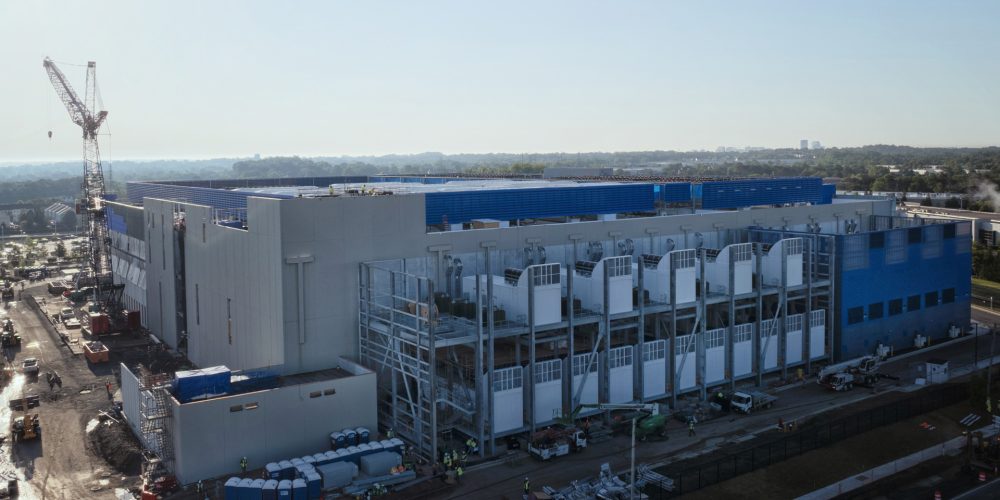
The rapid growth of the digital economy is creating a significant challenge for environmental sustainability. Data center developers currently face intense scrutiny over their rising greenhouse gas emissions. This industry expansion stems largely from the global race to develop advanced artificial intelligence. Large-scale server farms require vast amounts of electricity to process and store data.
Recent projections suggest that power demand from these facilities could double by the year 2030. This surge in energy use threatens to undermine international efforts to limit global warming. Many technology companies previously pledged to reach net-zero emissions within the next decade. However, the physical reality of building more hardware makes these goals increasingly difficult to achieve.
The construction of new data centers often outpaces the development of renewable energy sources. In many regions, developers must rely on existing power grids that still use fossil fuels. This dependence results in a net increase in carbon output for the local area. Some communities are now protesting against new projects due to these environmental concerns.
Electrical grids in developed nations are also feeling the pressure of this industrial growth. Utility providers must upgrade old infrastructure to handle the massive loads required by server hubs. These upgrades are expensive and take years to complete through traditional planning processes. The speed of the tech industry often moves much faster than the energy sector.
Some companies are attempting to solve this problem by investing in their own energy plants. Small modular nuclear reactors and large-scale solar farms are becoming popular options for tech firms. These private power sources aim to decouple data growth from public grid instability. However, these technologies are still in early stages of deployment and face regulatory hurdles.
Water consumption is another critical issue linked to the cooling of high-powered server racks. Cooling systems can evaporate millions of gallons of water every day during peak summer months. This puts a heavy burden on local water supplies in areas already facing drought conditions. Developers are now looking for more efficient ways to manage heat without wasting water.
Regulators are beginning to introduce stricter reporting standards for the technology industry. New laws may soon require companies to disclose the full carbon footprint of their digital services. This transparency aims to encourage more efficient coding and hardware design across the entire sector. Investors are also asking for better data on the long-term climate risks of these assets.
The tension between technological progress and environmental protection will likely define the next several years. Society must decide how to prioritize energy resources as digital needs continue to climb. Without a major shift in how we power the internet, climate targets may remain out of reach. The industry now faces a critical moment to prove it can grow responsibly.









