KEY POINTS
- The United States and India have established an interim trade framework to slash tariffs and deepen economic cooperation.
- India committed to purchasing $500 billion in American goods, including energy, aircraft, and high-tech hardware.
- The deal lowers US tariffs on most Indian imports to 18% in exchange for India halting Russian oil purchases.
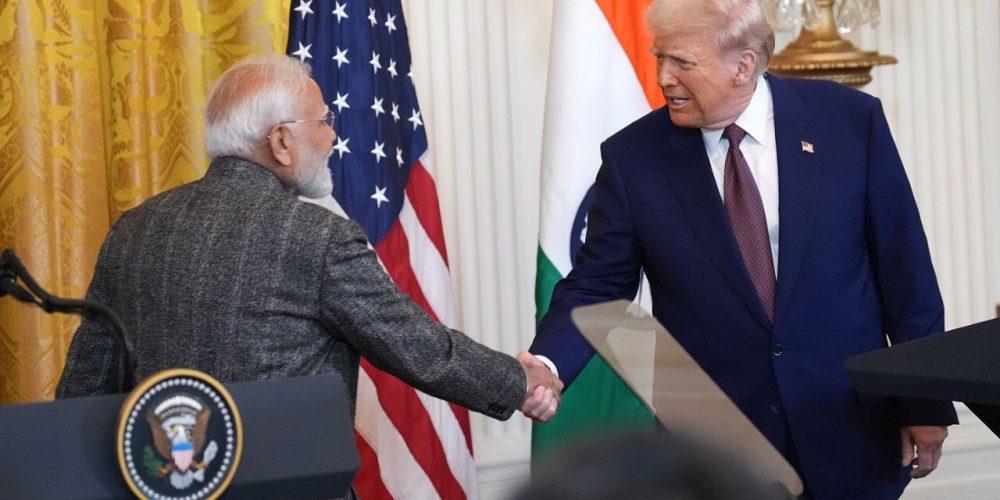
The United States and India have taken a major step toward a comprehensive trade agreement by releasing a new interim framework. This collaborative effort aims to reshape global supply chains and strengthen energy ties between the two nations. Both governments issued a joint statement on Friday confirming their commitment to a broader bilateral deal.
A central component of the framework involves significant tariff reductions. The US will lower its tariff rate on many Indian goods from 50% to 18%. This change specifically applies to sectors like textiles, leather, organic chemicals, and home decor. In return, India has pledged to phase out its reliance on Russian energy.
The agreement includes a massive procurement commitment from the Indian government. Over the next five years, India intends to purchase $500 billion worth of American products. These imports will focus on oil, natural gas, coking coal, and advanced technology like graphics processing units.
Agricultural trade is another key pillar of the new framework. India will eliminate or reduce tariffs on a wide range of US food products. This includes fresh and processed fruits, tree nuts, wine, spirits, and soybean oil. However, India maintained protections for sensitive domestic sectors like dairy and certain grains.
Beyond tariffs, the two countries are addressing long-standing non-tariff barriers. India has agreed to streamline licensing procedures for American medical devices and communication gear. Both nations also committed to adopting international safety and licensing standards within the next six months.
The framework also prioritizes economic security and technological innovation. The US and India plan to increase cooperation on enforcement for sensitive tech exports. This alignment is partly aimed at countering the “non-market policies” of third-party countries like China.
Indian exporters stand to gain access to a $30 trillion market through this deal. Small and medium-sized enterprises, farmers, and fishermen are expected to be the primary beneficiaries. Official estimates suggest the increased trade could create hundreds of thousands of new jobs in India.
The deal also provides specific relief for the automotive and pharmaceutical sectors. India will receive a quota for auto parts subject to lower tariff rates. Additionally, both sides are negotiating outcomes for generic pharmaceuticals to ensure stable supplies and fair market access.
Strategic concerns regarding energy security and supply chain resilience drove the urgency of these talks. By reducing dependence on Russia and diversifying from China, both nations aim to stabilize their economies. The framework serves as a roadmap for a final, formal agreement expected later this spring.
President Donald Trump rescinded a portion of the previously imposed tariffs following India’s commitment to shift oil buying to the US and Venezuela. US officials will continue to monitor India’s energy procurement to ensure compliance with the new agreement. This monitoring ensures the deal remains mutually beneficial.
While further negotiations are necessary to finalize all details, the framework marks a historic inflection point. Business leaders in both countries have hailed the agreement as a signal of renewed confidence in international trade. A formal signing ceremony is currently planned for March.