

Key Points
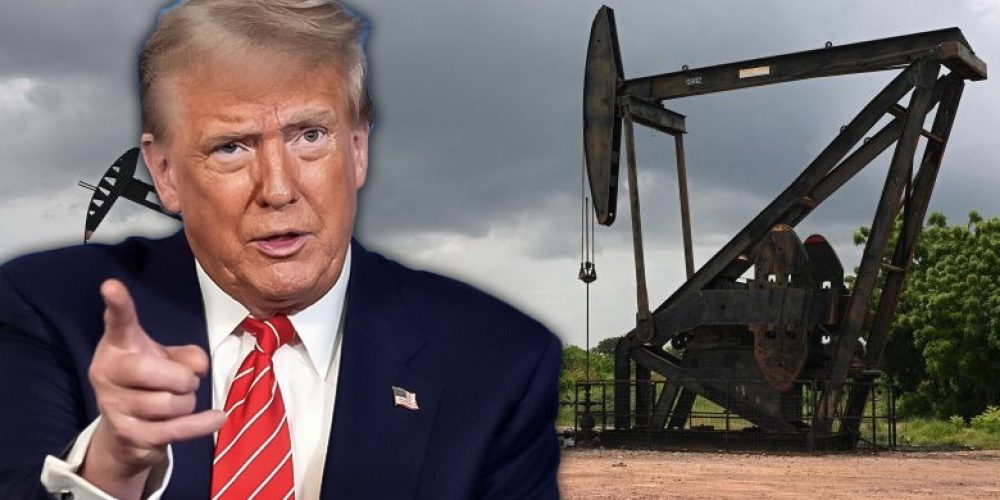
- Trump says Venezuela will transfer 30–50 million barrels of oil to the U.S., to be sold at market prices.
- He predicts U.S. oil companies could resume operations in Venezuela within 18 months, but industry caution persists.
- Engagement between U.S. officials and interim Venezuelan leaders aims to remove obstacles to oil exports and economic cooperation.
U.S. President Donald Trump announced that Venezuela will transfer between 30 million and 50 million barrels of oil to the United States, a move he says will benefit both nations economically. He stated the oil will be sold at market price with proceeds managed to support Venezuelan recovery and U.S. interests.
Trump also claimed U.S. oil companies could be “up and running” in Venezuela within 18 months, signaling potential large-scale American investment in the country’s energy sector. He argued that rebuilding Venezuela’s oil output would lower global prices and create economic opportunity.
The announcements follow a surprise military operation that led to the capture of Venezuelan President Nicolás Maduro. Trump said he expects American firms to invest billions to repair aging infrastructure and boost production. However, oil industry insiders have not publicly committed to such plans and remain cautious about political and financial risks.
Venezuela holds the world’s largest proven oil reserves but has seen production fall sharply due to underinvestment and sanctions, leaving daily output far below historical peaks. Analysts note that reviving production could require extensive capital and take years, despite Trump’s optimistic timeline.
Interim Venezuelan leader Delcy Rodríguez has been engaged in discussions with U.S. officials to facilitate the oil transfer and economic cooperation, despite ongoing legal and diplomatic complexities. The talks aim to overcome bureaucratic hurdles to allow sanctioned oil to flow to the U.S. under agreed terms.
Trump’s statements have stirred debate over how long the United States might maintain oversight of Venezuelan oil exports and broader governance. In interviews, he suggested U.S. involvement could extend beyond a year, indicating a long-term role in shaping Venezuela’s energy sector and potentially its political landscape.
Despite assertions of cooperation, skepticism persists among energy experts who argue that heavy crude quality, complex logistics and substantial investment needs could delay any meaningful increase in production or export capacity. They stress that infrastructure rebuilds typically take years and may not align with the president’s timeline.
The potential re-entry of major U.S. oil firms into Venezuela also raises strategic questions. Chevron, which already operates under a special license, may expand its permitted activities, and other companies like ExxonMobil and ConocoPhillips could be courted to participate. The U.S. government appears to be exploring ways to encourage such involvement, although no firm commitments have emerged.
Trump’s remarks reflect a broader strategy to leverage Venezuela’s vast oil reserves to strengthen U.S. energy security and influence global markets. The transfers and potential investments are also tied to his political messaging on American economic leadership.
Critics argue that focusing on oil deals and political control risks overshadowing democratic transition efforts and could deepen geopolitical tensions in the region. They also point to the uncertainty over how oil revenues will be managed and who will benefit most from the transactions.
The situation remains fluid, with continued discussions between U.S. and Venezuelan authorities and evolving responses from international oil companies. How these plans unfold could shape the future of Venezuela’s energy sector and its role in global oil markets.









