KEY POINTS
- An intense geomagnetic storm pushed the Aurora Borealis significantly further south than usual.
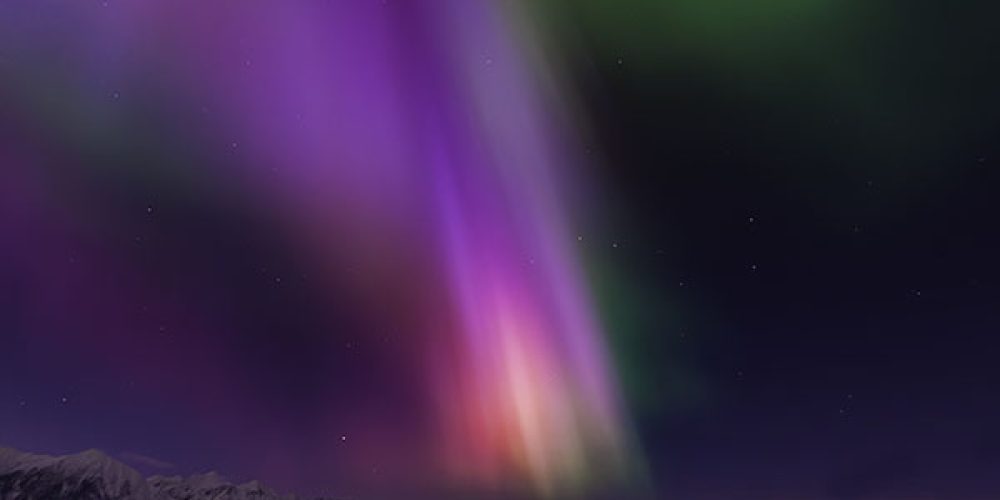
- Residents across Portugal witnessed vibrant pink and purple skies due to high-altitude solar particles.
- Space weather experts indicate that increased solar activity could lead to more frequent low-latitude sightings.
A rare and powerful solar storm illuminated the night sky over Portugal this week. People across the country saw the Northern Lights in a region where they rarely appear. This unusual event happened because of a massive surge in solar activity. A geomagnetic storm pushed the colorful light display much further south than its normal Arctic home.
The phenomenon started late in the evening as the sky turned shades of deep pink and violet. Unlike the green ribbons seen in the north, these southern auroras often appear reddish. This color shift occurs because solar particles strike oxygen atoms much higher in the atmosphere. Amateur photographers captured stunning images of the glow from the Algarve to the northern mountains.
Scientists track these events using satellites that monitor the sun’s surface. A coronal mass ejection recently released a huge cloud of plasma toward Earth. When these particles hit our magnetic field, they create the light show known as the aurora. This specific storm was strong enough to bypass typical northern boundaries.
Social media platforms filled with pictures of the celestial event throughout the night. Many residents initially felt confused by the strange colors in the sky. Some thought the glow came from distant city lights or forest fires. However, local weather agencies soon confirmed the presence of the Aurora Borealis over Portuguese territory.
The sun is currently approaching the peak of its eleven-year activity cycle. This period, known as the solar maximum, brings more frequent and intense solar flares. Experts suggest that these high-energy events make low-latitude auroras more likely. Portugal might see similar displays again before the current cycle begins to fade.
While beautiful, these solar storms can sometimes disrupt modern technology. Intense geomagnetic activity can interfere with GPS signals and satellite communications. Power grids also face risks during the most extreme space weather events. Fortunately, this recent storm did not cause any major technical failures across Europe.
Tourism in rural areas saw a brief spike as people drove away from city lights. The best views occurred in dark locations with a clear view of the northern horizon. Many people stayed awake until dawn to catch a glimpse of the shifting lights. It was a once-in-a-lifetime experience for most people in the Mediterranean region.
This event highlights the growing public interest in space weather and astronomy. Better camera technology allows more people to document these fleeting moments. As the sun remains active, the world looks up in hope of more colorful surprises. Portugal’s night sky has rarely looked so magical.