

KEY POINTS
- Major European rail operators are introducing five transformative routes to provide sustainable alternatives to short-haul flights.
- New services include a revived Paris-Berlin sleeper and a high-speed link connecting Central Europe with Scandinavia.
- Modern amenities like children’s cinemas and luxury sleeper cabins aim to enhance the long-distance passenger experience.
European rail travel is entering a significant growth phase this year with the debut of five major international routes. These new connections reflect a broader commitment to sustainable transit across the European Union. Rail operators are working together to bridge gaps in the existing network. This effort targets travelers who want to avoid the stress of modern airports.
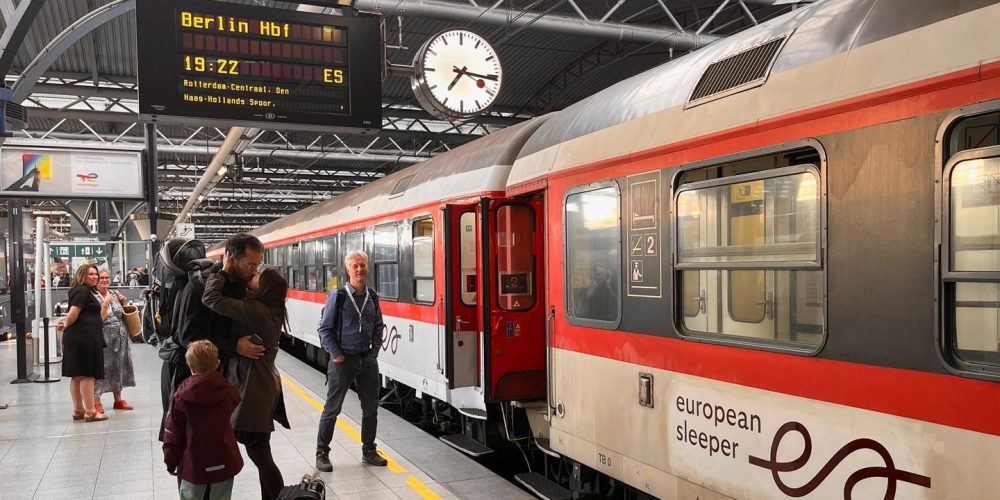
One of the most anticipated additions is the return of the Paris to Berlin night train. After a brief hiatus, the private operator European Sleeper will take over this iconic route in March. The service will run three times a week, linking the two capitals via Brussels and Cologne. This sleeper provides a direct overnight option for business and leisure travelers alike.
Further south, a high-speed axis between Paris and Munich will launch toward the end of the year. Deutsche Bahn and SNCF are collaborating to offer faster and more frequent daytime services. This route strengthens the vital transport link between France and southern Germany. It serves as a key corridor for international conferences and tourism.
Central Europe will also gain a direct gateway to Scandinavia starting in May. A new daytime service will connect Prague, Berlin, and Copenhagen for the first time without a transfer. The route utilizes modern ComfortJet trains designed for long-distance comfort. These trains feature a unique children’s cinema and radio-transparent windows to improve mobile reception.
In Eastern Europe, the direct rail link between Budapest and Belgrade is finally set to reopen. Following extensive track renovations, the service will provide up to six daily round trips. This project significantly reduces travel time between the Hungarian and Serbian capitals. It represents one of the most important infrastructure updates in the Balkan region this decade.
Finally, the United Kingdom will see a new domestic expansion with a route from London to Stirling. Low-cost carrier Lumo intends to launch this service in mid-2026. The train will stop at several key stations, including Preston and Carlisle, before reaching the historic Scottish city. This provides a budget-friendly alternative for those exploring Scotland’s medieval heritage.
These five routes signify a turning point for continental travel. Governments and private firms are investing billions into new rolling stock and high-speed tracks. By 2026, the train is becoming the first choice for more European passengers. This shift supports the global goal of reducing carbon emissions from the transportation sector.









