KEY POINTS
- The Japanese yen remains at historic lows against major currencies like the dollar and euro.
- Travelers can find significantly lower prices on accommodation and dining compared to previous peak seasons.
- Early bloom forecasts help tourists plan budget-friendly trips to less expensive regional cities outside of Tokyo.
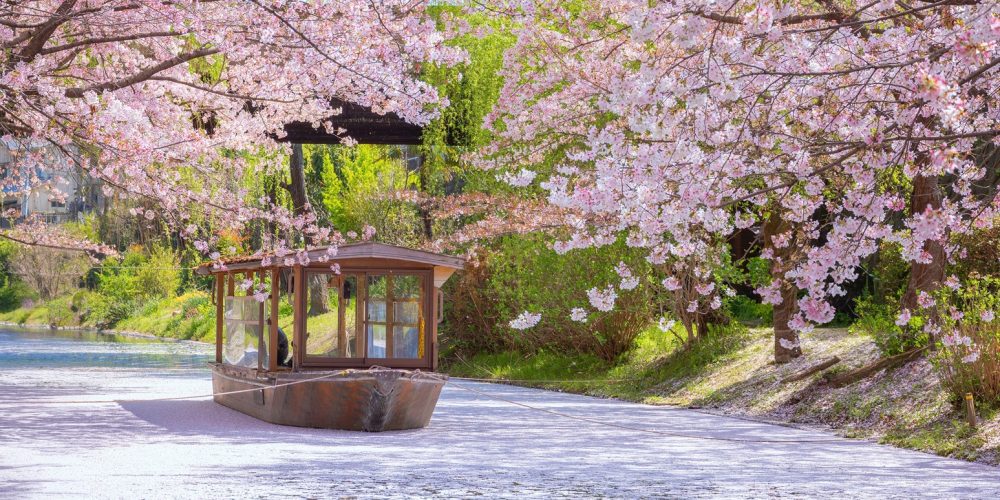
Japan is preparing for its world-famous cherry blossom season with a surprising twist for international visitors. While springtime usually commands the highest travel prices, 2026 offers a rare window for budget-conscious explorers. A combination of economic factors is making this iconic experience more accessible than it has been in decades.
The primary driver for this affordability is the current weakness of the Japanese yen. The currency continues to trade at favorable rates against the US dollar and the euro. This exchange rate gives foreign tourists significantly more spending power for daily expenses. International visitors will find that their money goes much further at restaurants, shops, and local attractions.
Accommodation costs are also seeing a shift in traditional pricing models. While luxury hotels in central Tokyo remain expensive, regional cities are offering competitive rates to attract visitors. Experts suggest looking toward cities like Fukuoka or Hiroshima for a more affordable hanami experience. These locations offer stunning floral displays without the extreme price hikes seen in the capital.
The Japanese Meteorological Corporation has already released its initial bloom forecasts for the year. Warm winter temperatures suggest that the blossoms may appear slightly earlier than the historical average. This early timing allows savvy travelers to book flights before the traditional April rush. Early booking often results in lower airfares and better availability for boutique lodging.
Local dining remains one of the best values for tourists this season. Traditional seasonal treats like sakura mochi and themed bento boxes are priced for the domestic market. Because these items do not carry the “tourist tax” seen in other countries, eating well is remarkably cheap. Travelers can enjoy high-quality meals for a fraction of what they would pay in London or New York.
Transportation within the country has seen some price increases, such as the Japan Rail Pass hike. However, regional rail passes and low-cost domestic carriers still offer excellent value. Many tourists are now choosing to explore a single region in depth rather than crossing the entire country. This slower pace of travel further reduces the overall cost of the trip.
Public parks and shrines across the country host cherry blossom viewing events for free. This makes the primary attraction of the season accessible to everyone regardless of their budget. Tourists can join locals for traditional picnics under the trees without spending a fortune on tickets. These communal gatherings provide a deep cultural connection at no extra cost.
Japan remains a top destination for travelers seeking safety and unique cultural experiences. The current economic climate simply adds a layer of financial incentive to an already popular bucket-list item. Planning ahead is still essential, but the financial barrier to entry has lowered significantly this year.