

KEY POINTS
- Meteorologists track a powerful cold front moving toward the Southeastern United States this weekend.
- Major cities face potential power outages as high winds and heavy snow accumulations target the region.
- Travel officials warn of dangerous road conditions and widespread flight cancellations across multiple states.
A dangerous winter weather system is currently tracking toward the Southeastern United States. This powerful storm threatens to bring rare blizzard conditions to several states. Forecasts indicate that heavy snow and high winds will arrive by Sunday. Millions of residents are now under weather alerts as temperatures begin to plummet.
The storm system originated in the Midwest before moving toward the Atlantic coast. It is gaining strength as it interacts with moist air from the Gulf of Mexico. This combination creates a significant risk for heavy precipitation across Georgia and the Carolinas. Some areas could see their highest snow totals in several years.
Local officials express deep concern regarding the impact on regional infrastructure. High winds may topple trees and power lines, causing widespread electrical failures. Utility crews are currently on standby to address any reported outages immediately. Residents are encouraged to stock up on emergency supplies and warm clothing.
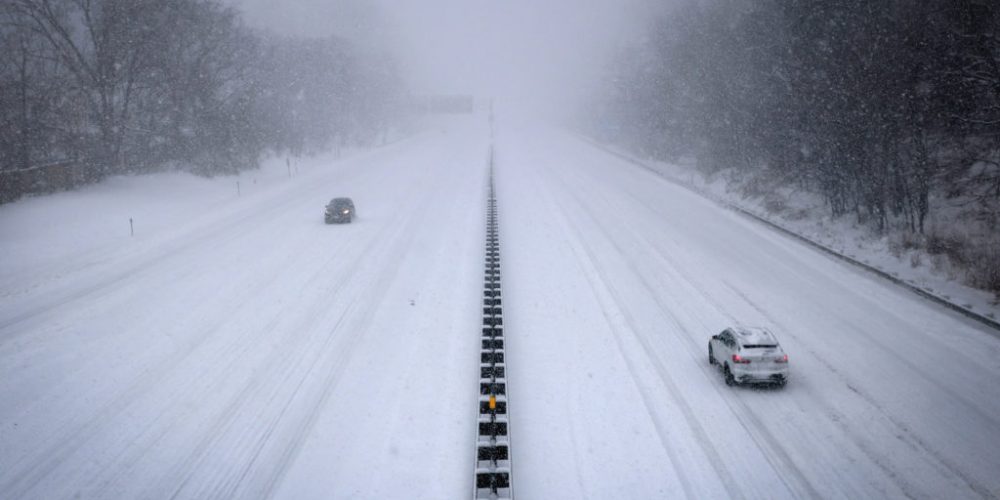
Travel disruptions are already beginning to mount at major regional airports. Airlines have started canceling hundreds of flights in anticipation of the deteriorating weather. Ground travel will become nearly impossible in areas experiencing the heaviest snowfall. Black ice and whiteout conditions pose a lethal threat to motorists on the road.
Governors in the impacted states have declared preemptive states of emergency. This allows for the rapid deployment of resources like snowplows and National Guard troops. Emergency shelters are opening their doors to provide warmth for those without reliable heating. Public safety remains the top priority for local emergency management teams.
The timing of the storm creates additional challenges for Monday morning commuters. Icy patches on bridges and overpasses will persist even after the snow stops falling. Schools and government offices have already announced closures to keep people off the streets. Officials urge everyone to stay indoors and avoid unnecessary travel until conditions improve.
Meteorologists believe the storm will transition into a powerful coastal system by late Monday. This could bring additional wind and rain to parts of the Mid-Atlantic and Northeast. However, the most severe impacts remain focused on the Southern Appalachian Mountains. High-elevation areas could receive over a foot of snow in a single day.
Data suggests this event is part of a broader pattern of extreme winter weather this season. Cold Arctic air continues to push further south than usual for this time of year. Residents should continue to monitor local weather apps for the latest updates. The situation remains fluid as the storm’s exact path becomes clearer.









