KEY POINTS
- A major clinical study suggests the Shingles vaccine may effectively slow the pace of biological aging in older adults.
- Researchers identified significant improvements in cellular health markers among patients who received the recombinant zoster vaccine.
- This discovery indicates that targeted immunizations could play a vital role in extending human healthspan and preventing age-related decline.
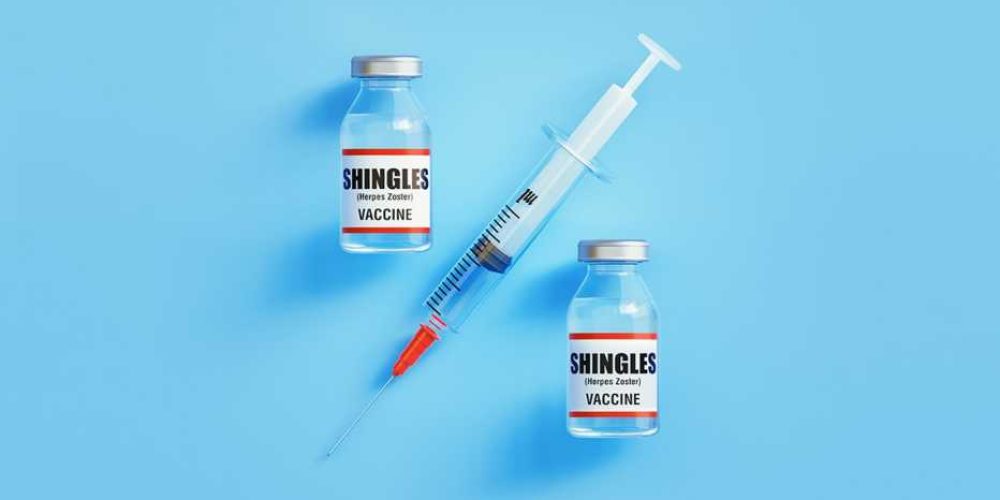
New medical research suggests that protecting yourself against shingles might offer benefits far beyond preventing a painful rash. A groundbreaking study reveals that the shingles vaccine may actually slow down the biological aging process. This finding has sparked intense interest within the global longevity and preventative medicine communities.
Scientists have long known that chronic inflammation contributes heavily to the physical decline associated with growing older. By preventing the reactivation of the varicella-zoster virus, the vaccine appears to reduce systemic inflammatory markers. This reduction helps protect the body’s cells from the typical wear and tear seen in aging.
The study focused on the recombinant zoster vaccine, which is the standard of care for adults over fifty. Researchers utilized advanced “epigenetic clocks” to measure the biological age of participants over several years. They discovered that vaccinated individuals showed a slower rate of cellular aging compared to those who were unvaccinated.
The implications of this research are significant for public health policy and individual wellness strategies. If vaccines can act as anti-aging interventions, they may become a cornerstone of longevity medicine. This shift could change how doctors view the long-term benefits of routine adult immunizations.
Beyond skin protection, the vaccine seems to bolster the overall resilience of the immune system. A more robust immune response prevents other opportunistic infections that typically accelerate physical frailty in seniors. Maintaining immune health is essential for preserving independence and quality of life during later years.
The researchers also noted a correlation between the vaccine and improved cardiovascular health markers. Lower levels of inflammation are directly linked to a reduced risk of heart disease and stroke. This suggest the vaccine provides a multi-layered defense against the most common diseases of aging.
While the primary goal of the shingles shot remains infection prevention, these secondary benefits are compelling. Health experts believe this data may encourage higher vaccination rates among skeptical or hesitant populations. The prospect of staying biologically younger is a powerful motivator for many aging adults.
Further clinical trials are already in the planning stages to confirm these preliminary findings. Scientists want to determine if other common vaccines produce similar anti-aging effects on the human body. Understanding these mechanisms could lead to new therapies designed to target the aging process itself.
For now, medical professionals continue to recommend the shingles vaccine for its proven ability to prevent shingles. However, this new evidence adds a layer of excitement to a standard medical procedure. It suggests that modern medicine is getting closer to unlocking the secrets of a longer, healthier life.