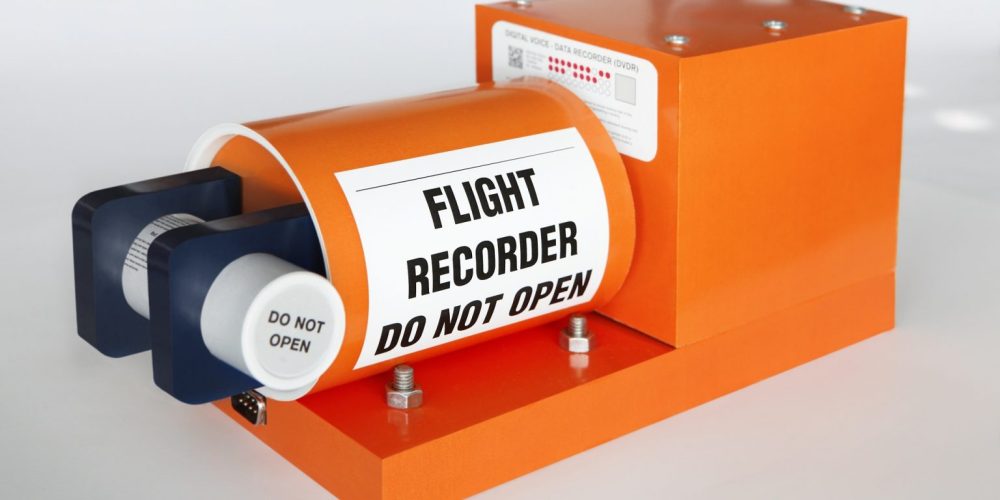
Black boxes, long considered the most essential tools for uncovering the causes of airplane crashes, are now under renewed scrutiny. Aviation safety specialists warn that current flight data recorders may no longer keep pace with the complexity of modern aircraft systems or the speed at which critical information is lost during accidents.
Black boxes, which include flight data and cockpit voice recorders, store crucial information from the final moments of a flight. Their purpose is to reveal what went wrong and help prevent similar tragedies. However, recovering these devices has become increasingly difficult due to remote crash locations, deep-water impacts, and situations where wreckage becomes scattered or destroyed. Each lost recorder prolongs investigations and delays safety improvements.
Recent crashes highlight these weaknesses. In several high-profile incidents, authorities struggled for months to retrieve damaged recorders, limiting their ability to reconstruct events accurately. Experts argue that investigations cannot rely on hardware alone, especially when valuable time and costly search missions stand in the way of retrieving essential data.
Many aviation leaders are now pushing for streaming technology that sends flight data directly to secure ground servers. Real-time transmission would offer immediate access to GPS coordinates, engine performance, flight controls, and cockpit sound. Supporters believe this shift could shorten investigations and save lives by enabling faster emergency responses. However, airlines remain divided due to concerns about cost, cybersecurity risks, and the large volume of data generated during flights.
Another emerging idea is deployable recorders, which detach from an aircraft on impact and float or transmit distress signals. Some military aircraft already use similar systems. Civil aviation groups have expressed interest, but international regulatory standards would need updates before widespread adoption becomes possible.
More News : Alaska Airlines Flights Grounded Nationwide Due to Massive Technology Glitch
The article notes that while black boxes have been instrumental in major safety reforms over the past decades, their limitations have become more visible as commercial jets grow more advanced. Automated systems, complex software, and increased cockpit integration generate far more variables than current recorders can efficiently store. Investigators often need a broader picture of system interactions, not just isolated cockpit audio and a few hundred parameters.
Families of crash victims also support improvements. They argue that faster access to clear data would reduce uncertainty and provide quicker answers during investigations that often stretch over months or years. Several aviation accident reports have called for modernized data systems, but widespread change has been slow.
Regulators acknowledge the need for upgrades but face pressure from airlines, manufacturers, and privacy advocates. The industry must balance transparency with practical concerns such as cost, maintenance, and protecting sensitive information. Despite these hurdles, momentum is building for long-term reforms as aviation enters an era defined by digital systems and global connectivity.
Black boxes remain a cornerstone of air safety, but experts believe the future requires a hybrid approach. Traditional recorders may stay onboard, but they will likely be supported by live data transmission or new deployable systems. Without modernization, investigators may continue to face delays and unanswered questions after every major crash.