

KEY POINTS
- A new federal proposal would require international travelers to provide social media usernames when applying for US entry.
- The policy aims to enhance security screenings for visitors from countries within the Visa Waiver Program.
- Privacy advocates express concern over the potential impact on free speech and traveler data security.
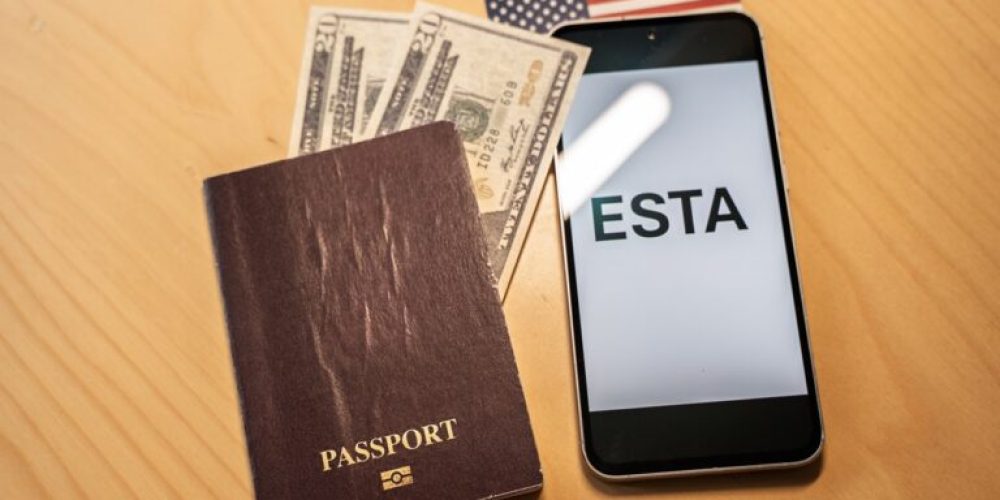
United States authorities are considering a significant change to entry requirements for international tourists. A new proposal targets the Electronic System for Travel Authorization, commonly known as ESTA. This system currently allows citizens from dozens of countries to visit the US without a formal visa.
Under the new plan, the application form would include a mandatory section for social media information. Travelers would need to list their usernames for various digital platforms used over the last five years. Officials intend to use this data to improve the vetting process for incoming foreign nationals.
The Department of Homeland Security believes this step will help identify potential security threats. By reviewing public digital footprints, investigators hope to spot hidden red flags. This measure expands upon existing data collection efforts used for traditional visa applicants.
The Visa Waiver Program currently covers millions of travelers from Europe, Asia, and Oceania. Currently, these visitors provide basic biographical and passport details. Adding digital handles represents a major shift in the amount of personal data shared with the government.
Privacy groups have raised immediate alarms regarding the proposed policy. They argue that monitoring social media could lead to unfair profiling. Critics also worry that travelers might self-censor their online opinions to avoid entry denials. There are concerns about how the government will store and protect this sensitive information.
The proposal does not ask for account passwords. It only requires the public identifiers or handles used on social sites. However, even public data can reveal deep insights into a person’s private life and political views. Some experts suggest this could complicate the application process for casual vacationers.
Implementation of the rule would affect thousands of daily arrivals at US airports. Travelers often choose the ESTA program for its speed and simplicity. Adding more complex requirements could slow down the approval window for many users. This might impact the overall efficiency of the border screening process.
Government officials are currently seeking public comment on the matter. This period allows citizens and travel industry leaders to voice their support or opposition. A final decision will follow after a thorough review of the feedback received from the public.
If approved, the US would join a growing list of nations using digital data for border security. Technology continues to play a larger role in international travel management. For now, visitors should stay informed about potential changes to their future travel documentation requirements.









