

Key Points:
- Singapore and several European nations currently share the top spot for the most powerful passports in 2026.
- The mobility gap is widening as top-tier nations gain more access while lower-ranked countries face stricter visa hurdles.
- The United Arab Emirates continues to be the fastest climber in the index over the last ten years.
The latest global mobility report has officially dropped, shaking up the traditional hierarchy of travel freedom. Several nations have climbed the ranks to claim the title of the world’s most powerful passport this year. This annual index measures how many destinations citizens can enter without a prior visa.
International travel freedom has reached an all-time high for top-tier nations. High-ranking citizens now enjoy seamless access to nearly two hundred different territories across the globe. These shifts reflect changing diplomatic ties and new trade agreements between major economic powers.
Asian and European countries continue to dominate the top ten positions on the list. Singapore and Japan remain consistent frontrunners, showcasing the strength of their diplomatic standing. Meanwhile, several European Union members have surged forward to share the spotlight at the very peak.
The United States and the United Kingdom have seen a slight stabilization in their rankings this year. While they remain influential, they still trail behind the leaders in terms of total visa-free destinations. Analysts point toward shifting immigration policies as a factor in these static positions.
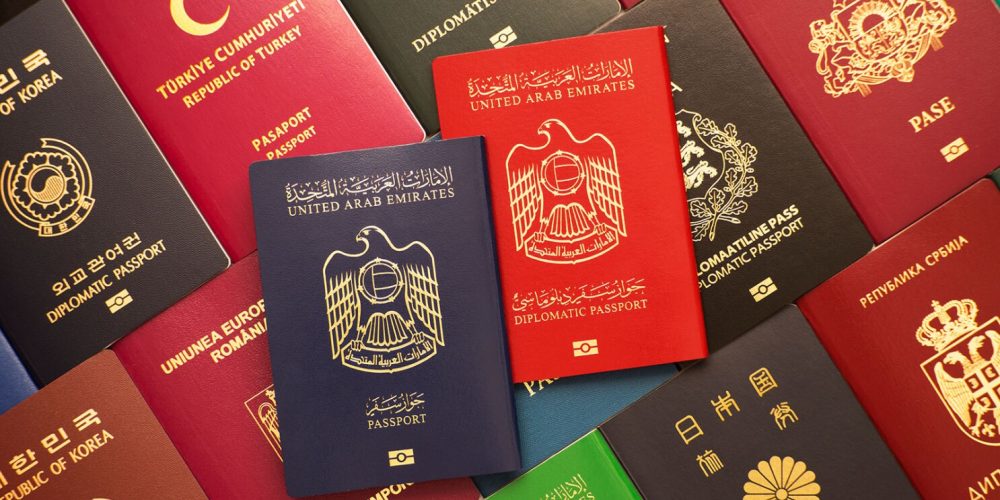
One of the most notable stories of 2026 involves the rise of Gulf nations. The United Arab Emirates continues its impressive decade-long climb toward the top of the index. Their strategic focus on global openness has opened new doors for their citizens.
Economic mobility remains a core theme for the researchers behind the 2026 data. Countries with stronger passports generally enjoy higher levels of foreign investment and international collaboration. A powerful passport acts as a golden ticket for global business and networking.
However, the report also highlights a growing “mobility gap” between the wealthiest and poorest nations. While top-tier citizens see more of the world, others remain restricted by heavy visa requirements. This disparity often limits educational and professional opportunities for millions of people.
Regional conflicts and political instability continue to weigh down the bottom of the rankings. Citizens of war-torn regions face significant hurdles when attempting to cross international borders. These restrictions often mirror the geopolitical tensions currently affecting the global stage.
Technological advancements are also playing a role in how we perceive passport power today. Many nations are transitioning toward digital visas and automated border control systems. These innovations aim to make travel more efficient for approved visitors from trusted nations.
Tourism boards are paying close attention to these rankings to predict travel trends. Countries that gain visa-free access to major markets often see a sudden spike in visitor numbers. This data helps airlines and hotels plan their capacity for the upcoming holiday seasons.
As the world becomes more interconnected, the value of a strong passport only increases. Travelers are checking these rankings more frequently to understand their personal global reach. The 2026 index provides a clear map of who can go where with the most ease.









