

KEY POINTS
- The Corfu Trail stretches across 220 kilometers from the south to the north.
- This long-distance route connects ancient olive groves, quiet villages, and coastal paths.
- Travelers gain access to remote areas away from the typical tourist resorts.
The Corfu Trail provides a comprehensive journey through the diverse landscapes of this Ionian island. Established over twenty years ago, the route spans approximately 220 kilometers in length. It begins at the southern tip in Kavos and concludes at Agios Spyridon in the north.
Hikers typically require about ten to twelve days to complete the entire trek. The path intentionally avoids the more developed and crowded tourist hubs on the coast. Instead, it leads visitors through the quiet heart of the countryside.
The southern sections of the trail feature rolling hills and extensive olive forests. Many of these trees are hundreds of years old and create a dense canopy. The terrain here remains relatively gentle for those starting their journey.
As walkers move northward, the landscape becomes increasingly rugged and mountainous. The central region includes traditional stone villages where local life continues at a slower pace. These settlements often offer small guesthouses and family-run tavernas for tired travelers.
One major highlight of the trail is the ascent of Mount Pantokrator. This is the highest point on the island and offers views of the surrounding sea. On clear days, hikers can see the coastline of nearby Albania and mainland Greece.
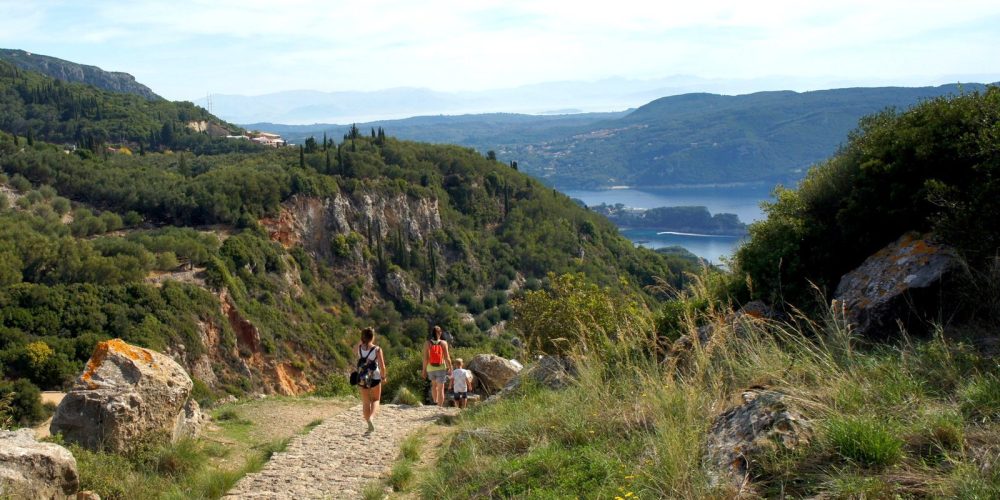
The path also winds along dramatic clifftops and hidden sandy beaches. These coastal stretches provide a refreshing contrast to the inland forest trails. Many parts of the route utilize old donkey tracks that connected villages for centuries.
Signage along the Corfu Trail consists of yellow markers and arrows on rocks or posts. While the path is generally well-marked, some sections require careful navigation through thick vegetation. Reliable maps or digital GPS tools remain essential for a safe trip.
Spring and autumn are the most popular seasons for attempting the walk. The summer months often bring intense heat that makes long-distance hiking difficult. During the shoulder seasons, the wildflowers are in bloom and temperatures stay mild.
The trail encourages a sustainable form of tourism that benefits smaller inland communities. Local residents often provide accommodation and meals to those passing through their villages. This economic support helps preserve traditional ways of life on the island.
Completing the Corfu Trail allows for a deeper understanding of the local geography. It showcases the architectural influences of the Venetians and the British throughout history. Every day on the path reveals a different side of the island’s natural beauty.









