

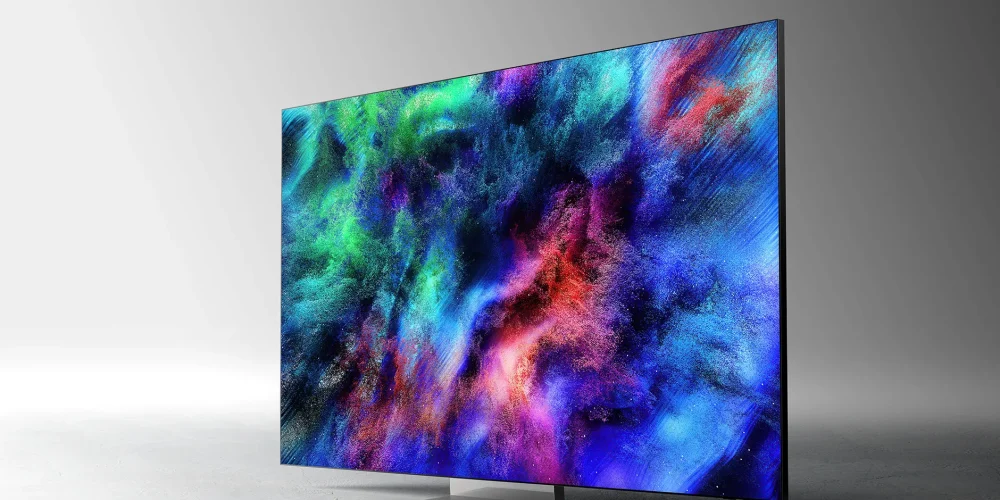
Key Points
- RGB LED TVs are gaining prominence at CES 2026, offering enhanced color accuracy and brightness over traditional LED designs.
- Leading brands including Samsung, LG and Hisense are unveiling new RGB-based models, with Samsung debuting a 130-inch Micro RGB prototype.
- While early RGB technology shows promise, challenges remain around color bleed, blooming and limited content that uses expanded color ranges.
Television makers are spotlighting RGB LED technology as a major advancement at CES 2026, promising richer colors and brighter displays than many existing models. RGB LED screens use red, green and blue LED backlights instead of traditional white LEDs, enhancing color accuracy and expanding visual range beyond what conventional LED TVs deliver.
Major brands such as Hisense, Samsung, LG and others have revealed new RGB or Micro RGB-based models that may redefine mid-to-high-end TV offerings this year. Reports from the show floor indicate that these displays cover the full BT.2020 color gamut, delivering vivid hues seldom seen on current LED and even some OLED panels.
Samsung drew significant attention with its 130-inch Micro RGB prototype, which pairs large-screen spectacle with full BT.2020 support and advanced image processing for bright, accurate visuals. This model aims to set a new benchmark for premium home entertainment and showcase the possibilities of next-gen LED backlighting.
LG is expanding its television lineup with RGB variants, including a Micro RGB evo series that balances expanded color fidelity with its Alpha AI picture engines. These efforts signify LG’s commitment to incorporating RGB through multiple screen sizes and capabilities.
Hisense has also pushed the envelope with its RGB Mini LED Evo technology, adding additional colored sub-pixels to further increase color range and reduce blooming effects. The 116-inch display and plans for larger RGBY Micro LED technology hint at escalating competition for color-performance leadership.
Meanwhile, other display innovations at CES suggest varied paths forward. TCL unveiled ultra-bright SQD Mini LED TVs that challenge pure RGB approaches while still maintaining exceptional color coverage and contrast control. These alternatives show that the market is broadening rather than polarizing around one solution.
Display experts note RGB LED’s rise reflects a shift in how manufacturers prioritize color fidelity and brightness. Traditional LED models often rely on white LEDs filtered through quantum dots, which imposes limits on absolute color purity. Using true RGB backlights helps push past those limits and approaches the richness once expected only from self-emissive OLED displays.
However, RGB LED is not without tradeoffs. Early versions may suffer from slight color crosstalk or blooming around bright objects due to backlight clustering, and content that fully uses the expanded BT.2020 palette remains sparse. As a result, real-world benefits may vary depending on viewing conditions and content type.
Consumers and reviewers alike are watching closely as RGB LED models move from prototypes to shipping products later this year. If adoption accelerates, RGB TVs could occupy a sweet spot between conventional LED and premium OLED offerings, blending strong brightness with broader color.
Market observers also see RGB LED as part of a broader evolution in display technology, with microLED and quantum dot refinements competing for attention alongside improved OLED panels. The display wars of 2026 may hinge on which technologies achieve the best balance of brightness, color, price and real-world performance.
Overall, CES 2026 showcased a television landscape in flux, with RGB LED emerging as a compelling contender for mainstream adoption and signaling an exciting year ahead for big-screen innovations.









