

Key Points:
- France is seeing a renewed rise in bedbug concerns across hotels, rentals, and transport hubs.
- Increased travel, dense urban living, and resistance to pesticides fuel the spread.
- Experts urge travelers and hotels to adopt prevention, early detection, and transparent reporting.
France is confronting renewed anxiety over bedbugs, especially in popular hotels and short-term rentals. Reports from travelers and pest control experts suggest sightings have increased in major cities. While authorities stress the issue remains manageable, public concern has grown as tourism rebounds and accommodation turnover accelerates after years of disrupted travel patterns.
Bedbugs do not spread disease, but they cause discomfort, stress, and financial loss. Travelers report sleepless nights, itchy bites, and anxiety after returning home. Hotels face reputational damage and costly extermination processes. Even high-end properties remain vulnerable because bedbugs spread easily through luggage, clothing, and shared spaces.
Experts say rising international travel plays a major role. As visitors move rapidly between cities and countries, bedbugs hitch rides unnoticed. Urban density also worsens the issue, especially in apartment buildings where infestations spread between units. Increased resistance to common insecticides further complicates eradication efforts, making treatments longer and more expensive.
French authorities emphasize that bedbugs appear worldwide, not only in France. However, Paris and other tourist-heavy areas receive more attention due to visitor volume. Officials continue monitoring reports and encourage early action. Public health agencies stress that bedbugs indicate hygiene-neutral environments and do not reflect cleanliness standards.
Hotels and rental hosts now invest more in detection tools and staff training. Many use mattress encasements, heat treatments, and professional inspections. Some properties schedule preventive checks between guest stays. Industry groups encourage transparency, advising hotels to address issues quickly instead of hiding problems that could escalate and spread further.
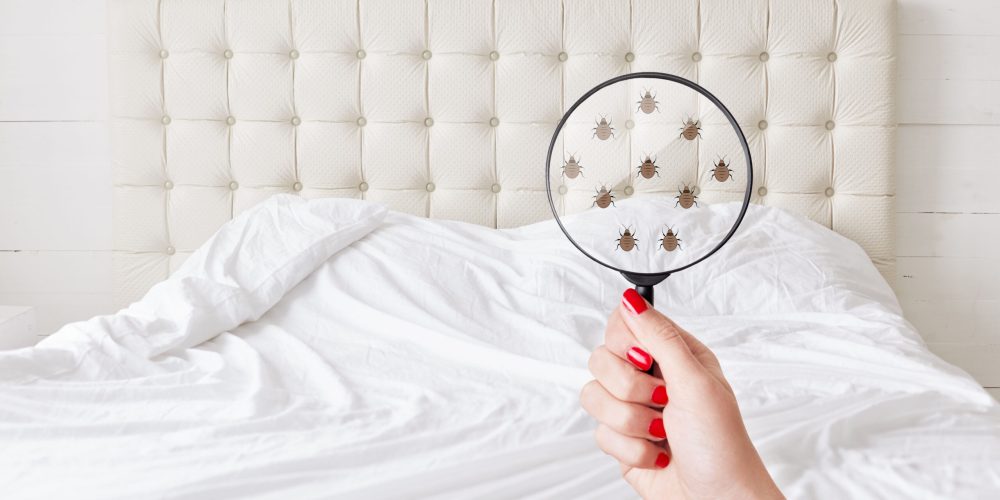
Travelers also carry responsibility. Experts advise checking mattresses, bed frames, and headboards upon arrival. Keeping luggage off beds and floors reduces exposure. Washing clothes in hot water immediately after trips helps kill insects before they spread at home. Vigilance during travel remains the most effective personal defense.
Pest control professionals warn that panic can worsen outcomes. Overuse of household sprays often drives bedbugs deeper into walls and furniture. Professional treatment remains the safest solution. Heat-based methods prove especially effective, as bedbugs cannot survive sustained high temperatures without chemical resistance concerns.
Tourism leaders worry that exaggerated headlines could harm France’s image. They argue bedbugs represent a global challenge tied to mobility, not neglect. Officials aim to balance transparency with reassurance, reminding travelers that awareness and prevention significantly reduce risk without discouraging tourism.
As France prepares for continued tourism growth, coordinated responses remain critical. Hotels, renters, governments, and travelers must work together. With consistent monitoring, education, and early intervention, experts believe bedbugs can stay controlled without derailing travel confidence or public health priorities.









